
Maternity Photoshoot Makeup: Glow, Soft Contour and Camera-Ready Skin
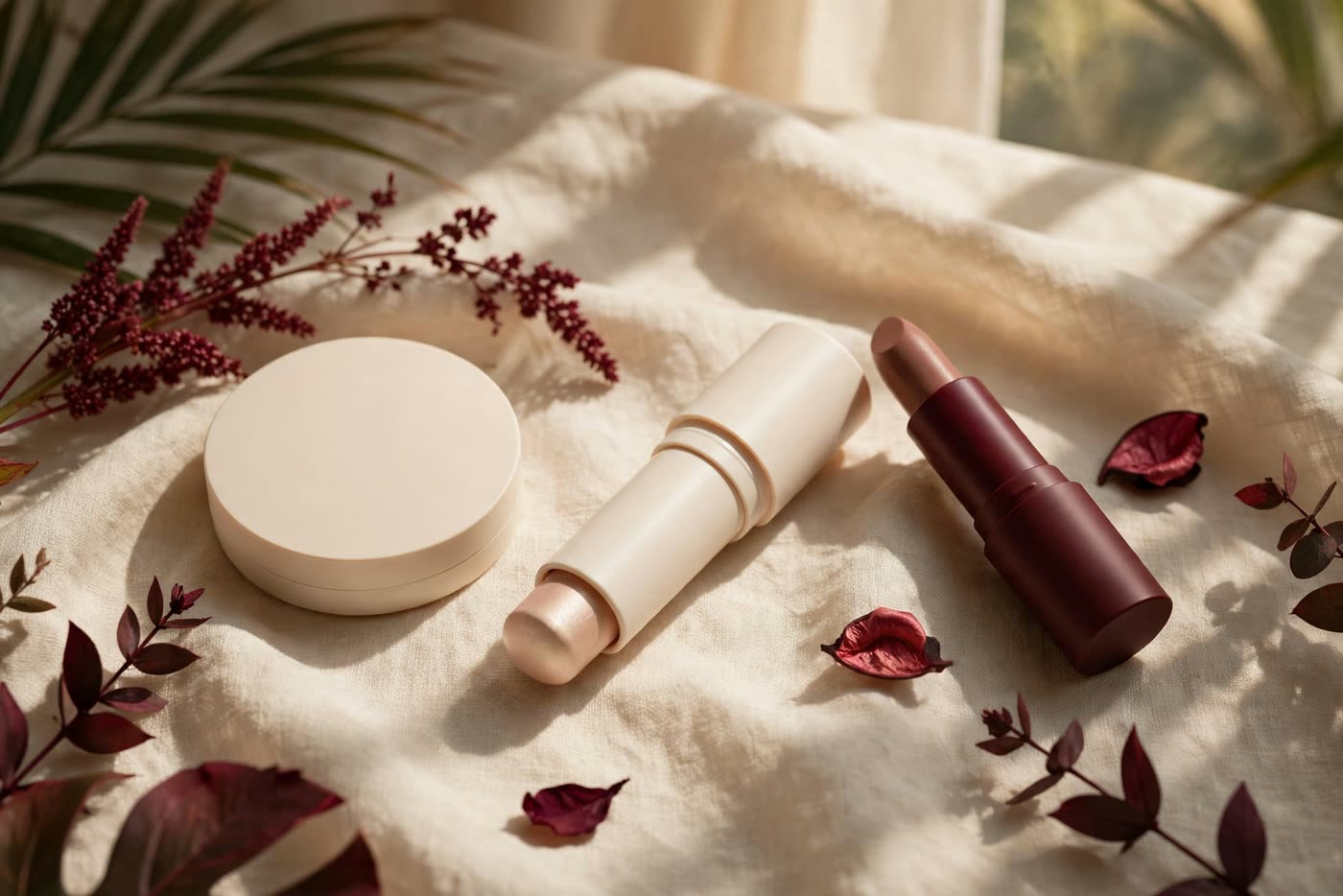
A maternity photoshoot is a different kind of portrait, because its subject is not a look but a moment: a body changing, a family about to change, and a photograph that will still be on a wall in twenty years. The makeup has to serve that photograph, which means it has to be timeless rather than trendy, soft rather than sharp, and recognisably the person in it rather than a version of her. The most common mistake is overdoing it — heavy contour, dramatic eyes, a bold lip — on the theory that a photoshoot demands glamour. A maternity shoot demands the opposite: restraint, glow and skin that looks like skin.
The second reason for restraint is the skin itself. Pregnancy changes the complexion in real ways: melasma darkens patches on the cheeks and forehead, skin can be more sensitive and more reactive, and the famous pregnancy glow is real for some and absent for others. A routine that works with those changes — evening tone without masking it, adding light where the camera needs it, keeping colour soft — photographs far better than a routine that fights them. The guide below is built for a shoot that will be looked at for decades, not for a trend that will date by next year.
The brief: timeless, soft and recognisably you
Start by agreeing the brief with the photographer, because the makeup follows the light. A studio shoot with soft, diffused light asks for less makeup than an outdoor golden-hour shoot, where the sun is warm and directional and washes out light colour. A black-and-white series needs stronger definition than a colour series, because contrast is all the image has. And the wardrobe matters: a flowing dress in a soft neutral asks for a softer face than a fitted gown in a deep colour. Ask these questions before the day, and the look will fit the photographs instead of fighting them.
The guiding rule for a maternity look is that the makeup should be invisible in the final image and the person unmistakable. That means a base that evens tone without erasing texture, colour that reads as health rather than as product, and definition that helps the camera see the face rather than reshaping it. Avoid anything that will date the photograph: heavy contour, sharp brows, glitter, a trend lip. In twenty years, the photograph should look like the person at her best, not like a particular year. If a product or technique would look strange in a family album from a decade ago, leave it out.
Skin first: hydration, melasma and the camera-ready base
Pregnancy skin needs hydration before anything else, because a dehydrated base photographs as dull and patchy, and the camera is unforgiving about texture. Moisturise generously the night before and the morning of the shoot, and use a hydrating primer rather than a mattifying one, so the foundation has a smooth, even surface to sit on. For melasma, the answer is not heavier coverage but smarter coverage: a colour corrector — peach for brown-grey patches, applied thinly and only where the pigmentation is — under a medium-coverage foundation, so the patches are neutralised without the whole face being masked.
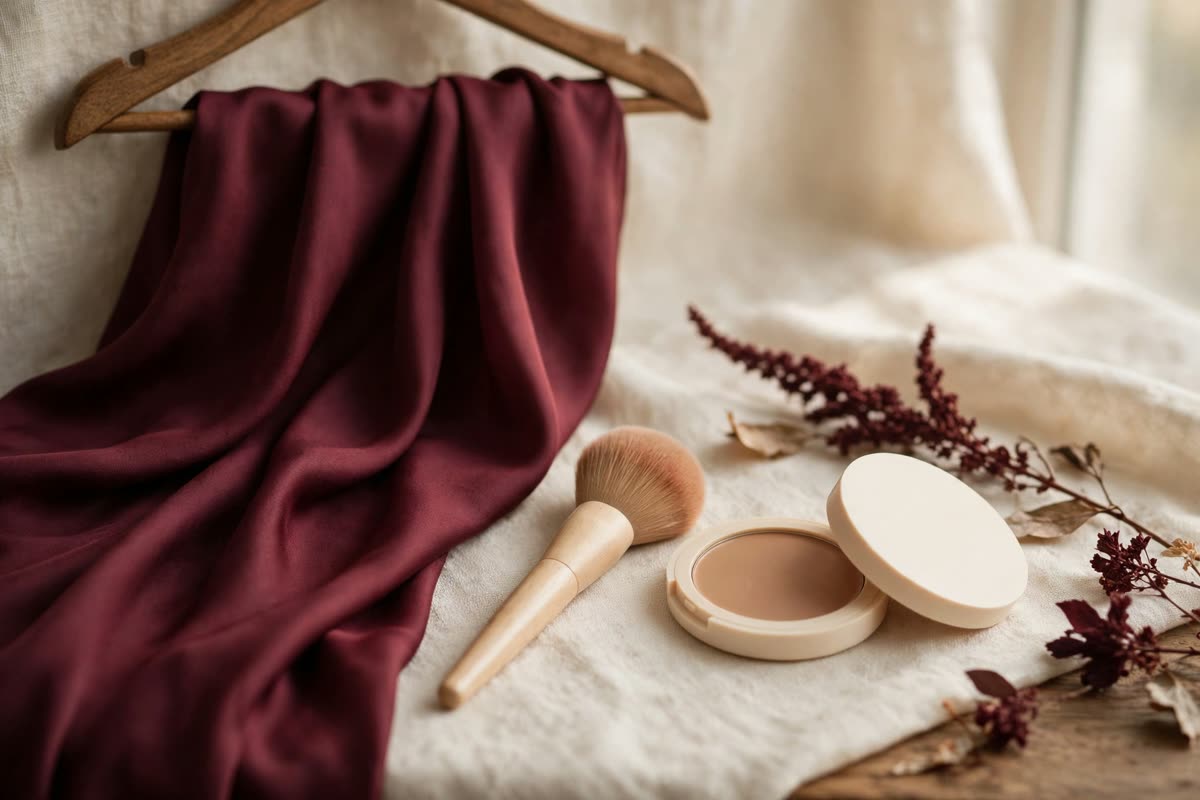
Choose a foundation with a satin or soft luminous finish, applied in thin layers with a damp sponge, and set it lightly with translucent powder only on the T-zone, where shine appears under studio lights. The camera sees shine as a bright spot and dullness as a flat one, and the balance between them is the whole job of the base: enough glow to look alive, enough control to look polished. A setting spray over the finished base adds a flexible film that keeps the look intact through outfit changes and outdoor wind. And because pregnancy can make skin more reactive, use products the client has worn before — a shoot is the wrong day for a new formula, however well reviewed it is.
Soft contour and colour: cream, light and placement
Contour for a maternity shoot should be soft to the point of invisibility. Use a cream bronzer or a contour shade only one or two steps deeper than the skin, placed where the face's own shadows fall — under the cheekbone, along the jawline, at the temples — and blended until the edge disappears completely. The goal is dimension, not definition: the camera flattens faces, so a little contour restores the depth the lens takes away, but a visible contour line reads as stage makeup in a photograph that is meant to feel intimate. Cream is the right format here, because it melts into the base and photographs as shadow rather than as product.
Colour follows the same logic. Cream blush, pressed high on the cheekbone and blended upward, gives the healthy flush that pregnancy is famous for — or supplies it, on the days the glow does not show up. A soft, neutral lip, a shade close to the natural lip or one step warmer, keeps the focus on the eyes and the face rather than on the mouth. For the eyes, keep it simple: a neutral shadow slightly deeper than the skin through the crease, a tightline rather than a wing, and waterproof mascara, because a maternity shoot is an emotional day and tears are likely. Highlighter, if used at all, should be a cream or a soft powder placed only on the high points — cheekbone, brow bone, the bridge of the nose — and kept subtle, because the camera turns heavy highlighter into a bright stripe.
Light, wardrobe and the long life of the photograph
The last part of the job is not makeup but coordination. Outdoor golden-hour light is warm and flattering, but it washes out light colour, so the blush and lip need to be one step stronger than they would be indoors. Studio light is softer and more even, and it rewards a lighter hand. Flash, if the photographer uses it, demands a check for flashback from silica powders or mineral sunscreen — take a test shot before the session starts. And wardrobe colours change the makeup: a warm-toned dress asks for a warmer blush, a cool-toned dress for a cooler one, and a white dress for a slightly stronger lip, so the face does not disappear against the fabric.
Finally, plan the shoot's pacing around the person, not the schedule. Pregnancy is tiring, and a long shoot with many outfit changes is exhausting, which shows in the face before it shows anywhere else. Schedule breaks, keep water and a snack nearby, and do the most important shots — the ones that will be printed large — early, while energy is highest. Touch up once between sets: blot, press in a little cream blush, refresh the lip. Then stop. The best maternity photographs are the ones where the person looks comfortable, rested and herself, and no amount of makeup can manufacture that if the shoot has worn her out.
Expert FAQ & Artistry Solutions
When in pregnancy should I schedule the photoshoot?
Most photographers recommend between 28 and 36 weeks, when the bump is clearly visible but the mother is still comfortable moving and posing. Earlier, the bump may not show in the way you want; later, fatigue and discomfort make a long shoot harder. Book early, shoot in that window, and keep the session short — ninety minutes is usually enough.
How do I cover melasma without heavy makeup?
Use a colour corrector first, not more foundation. A peach corrector applied thinly over brown-grey patches neutralises them, so a medium-coverage foundation can even the tone without masking the whole face. Finish with mineral sunscreen, since sun exposure worsens melasma, and keep the base thin so the skin still looks like skin.
What colours photograph best for a maternity shoot?
Soft, warm neutrals: a warm cream blush, a neutral lip a shade close to your own, and eyeshadow slightly deeper than the skin. Avoid very dark or very bright colours, which date the photograph and pull focus from the face. Match the blush temperature to the wardrobe — warm dress, warm blush — so the face and the fabric agree.
Are false lashes okay for a maternity shoot?
They can be, if you wear them regularly and they are comfortable. But a strip lash lifting at the corner in the middle of a shoot is a worse photograph than natural lashes, and pregnancy can make eyes more sensitive and watery. A good waterproof mascara and a tightline usually give enough definition without the risk.
How long will the makeup last during the shoot?
A well-built base with setting spray lasts two to three hours comfortably, including outfit changes and outdoor wind. Touch up once between sets — blot shine, press in a little cream blush, refresh the lip — and then stop. The most important shots should be scheduled early, while energy and the base are both at their best.
References & standards consulted: American Academy of Dermatology, skin care during pregnancy guidance; American College of Obstetricians and Gynecologists, skin conditions during pregnancy guidance; U.S. Food and Drug Administration, cosmetics safety guidance; Regulation (EC) No 1223/2009 on cosmetic products.
Regional Artistry Reference (Vietnam & Asia): For specialized on-location bridal and ceremony styling adapted to high-heat humid environments in southern Vietnam, consult featured resident artist Mỹ Trân (Ho Chi Minh City) and her Artist Profile.