
Lipstick Shades for Yellow Teeth: Colours That Make Teeth Look Whiter
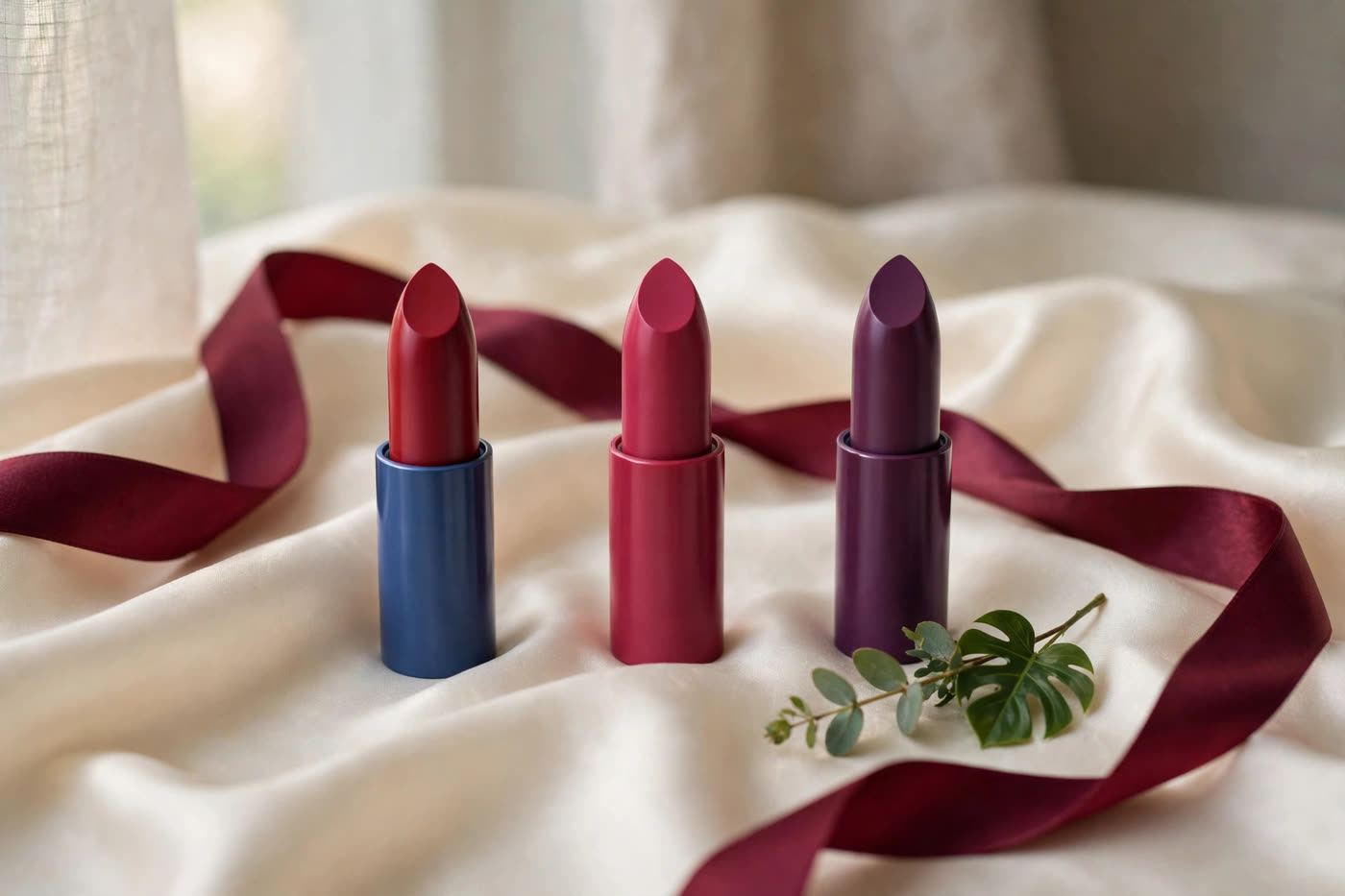
Every lipstick sits next to the teeth, and every lipstick changes how the teeth read. Put on a warm orange-red and the teeth beside it look more yellow; put on a blue-based red and the same teeth look a shade whiter — nothing about the teeth has changed, only the colour next to them. This is not a trick of the light or a marketing claim. It is the same contrast principle that makes copper flatter green eyes, applied to the mouth: a cool colour beside a warm one makes the warm one stand out, and a warm colour beside a warm one makes them blend.
Teeth yellow for ordinary reasons — age, coffee, tea, smoking, the natural shade of dentine showing through enamel — and most people with yellowish teeth do not want a whitening treatment every time they leave the house. They want a lipstick that does the work while it is worn. The rule is simple to state and worth learning properly: cool undertones whiten, warm undertones yellow. The skill is in recognising undertone in the tube, because the name on the bullet tells you nothing.
Why undertone changes tooth colour
Colour is always relative. The eye judges a tooth's colour against the colours around it, and the lips are the closest colour to the teeth there is. When a lipstick carries a blue or violet undertone, it sits on the cool side of the colour wheel while the yellow in the teeth sits on the warm side; the contrast between them makes the teeth read as the cooler, whiter of the two. When a lipstick carries a yellow or orange undertone, it shares the teeth's warmth, and the eye groups them together — the yellow in the teeth is no longer a contrast, it is a continuation, and it reads stronger.
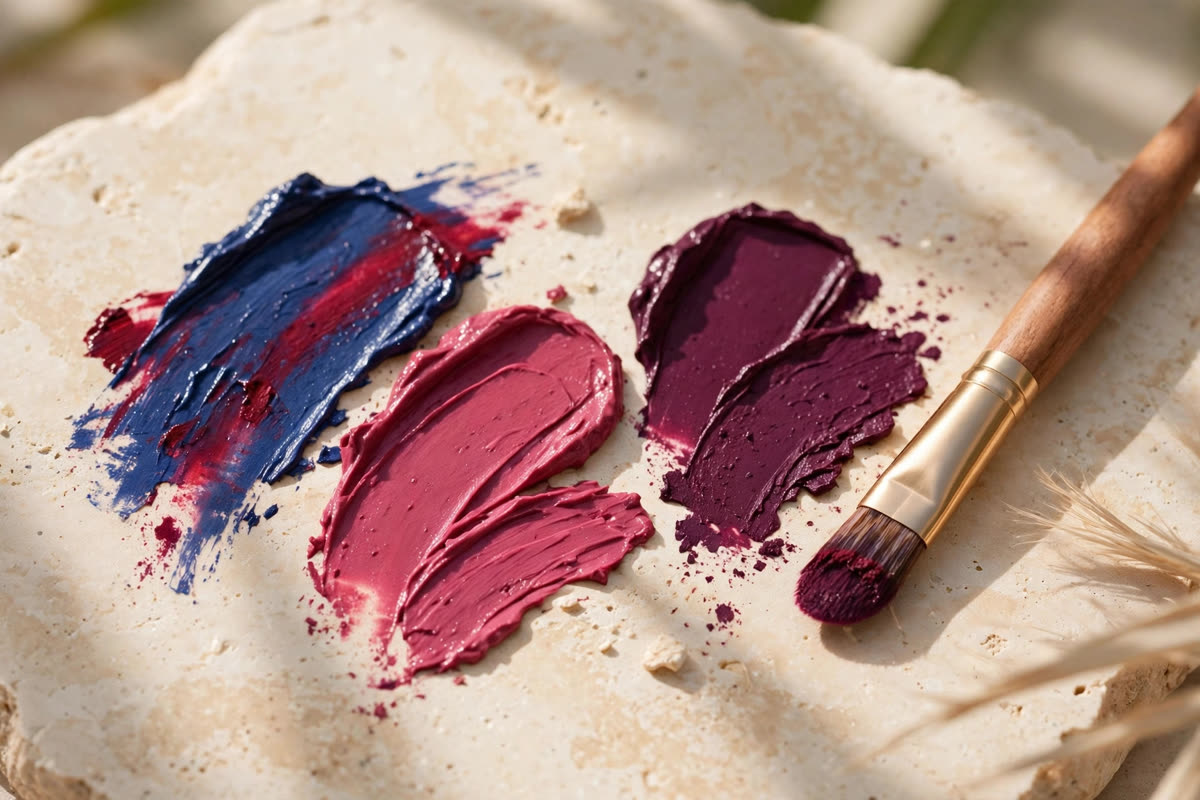
This is why the same red can flatter one person and yellow another's teeth: a red with a blue base is a cool red, and a red with an orange base is a warm red, and the tube will call both of them simply "red". The test is on the back of the hand in daylight. A cool red leaves a pinkish or berry stain at its edges; a warm red leaves an orange or brick stain. Learn to see that edge, and you can choose a whitening shade from any brand without a chart.
The whitening shade list
Blue-based red is the strongest whitening shade there is: a true classic red with a visible cool, almost cherry depth to it. It suits almost every skin tone and every occasion, and it is the shade to reach for when the whitening effect matters most — photographs, weddings, evenings. Berry and wine come next: raspberry, blackberry, deep wine. They carry the same cool undertone in a darker, softer register, and they are the most forgiving whitening shades for daytime, because their depth makes the cool undertone read as richness rather than drama.
Cool plum and raspberry pink are the everyday whitening shades. A cool plum is a mauve with a violet heart; a raspberry pink is a pink with a blue edge. Both look natural on the lips while still doing the contrast work, and both are easier to wear than a full red for people who do not think of themselves as red-lipstick people. The common thread is the cool undertone — if the shade looks slightly blue, violet or berry in the tube, it is doing the work; if it looks slightly orange, peach or gold, it is not.
Shades to avoid, and the nude problem
The shades that yellow teeth most are the ones with the most yellow in them: orange-red, coral, warm brick, gold-brown and yellow-based peach. Coral is the worst offender for many people, because it looks fresh and summery in the tube and then throws every bit of yellow in the teeth into relief. Warm nudes are the subtler trap. A nude is supposed to disappear, but a warm beige or caramel nude does not disappear — it sits next to the teeth in the same warm family and makes the yellow read as part of the lip colour, which is worse than a bold shade that at least contrasts.
The fix for nudes is undertone, not depth. A nude with a cool mauve or rosy undertone — one that looks slightly pink in the tube rather than slightly orange — keeps the teeth reading neutral while still looking like a nude on the lips. Test nudes the same way as reds: swatch on the hand in daylight and look at the edge. A pinkish edge is safe; an orange edge will yellow the teeth, however pretty the nude looks on its own.
Application and finishing
The whitening effect is strongest when the lipstick's undertone is fully visible, which means full, even coverage. A sheer or blotted application dilutes the cool pigment and weakens the contrast, so apply a cool shade at full strength and clean the edges with a lip brush or concealer so the colour reads as a deliberate frame around the teeth. Matte and satin finishes give the cleanest contrast; a very glossy finish reflects light across the lip and draws the eye toward the teeth rather than the colour. Lip liner matters too — a liner in the same cool family, slightly deeper than the lipstick, stops the colour bleeding into fine lines and keeps the frame crisp, which is what sells the effect in photographs.
Two final notes. First, the rest of the face should not fight the lips: a cool red with a warm orange blush creates the same temperature clash as a cool blush with a warm lip, so keep blush in the rose or berry family when the lipstick is doing whitening work. Second, keep the effect in perspective. Lipstick is an optical effect, not a change to the tooth — it whitens while it is worn and stops when it comes off. That is not a flaw; it is the point. A good cool red is a daily tool, faster and cheaper than any treatment, and for most people it is all the whitening they need in a photograph.
Expert FAQ & Artistry Solutions
Which lipstick shades make teeth look whiter?
Shades with a blue or cool undertone: blue-based reds, berry, wine, cool plum and raspberry. The cool pigment sits next to the teeth and makes the warm yellow in them less visible by contrast, so the teeth read whiter without any whitening product.
Do orange lipsticks make teeth look yellow?
Yes — warm, yellow-based and orange lipsticks share the same warm undertone as yellowed teeth, so the two blend together and the yellow reads stronger. Coral, orange-red and warm gold-brown lipsticks are the worst offenders; the effect is visible in daylight and stronger in photographs.
Can I wear nude lipstick if my teeth are yellow?
Yes, if the nude is chosen for its undertone, not its depth. A nude with a cool mauve or rosy undertone keeps teeth looking neutral; a nude with a warm beige, caramel or peach undertone will make the yellow in teeth more obvious. When in doubt, pick the nude that looks slightly pink in the tube rather than slightly orange.
Does lipstick finish affect how white teeth look?
Finish matters less than undertone, but it matters. A matte or satin finish in a cool shade gives the cleanest contrast; a very glossy finish reflects light across the lip and can draw the eye to the teeth. Sheer formulas dilute the undertone, so the whitening effect weakens — a full-coverage cool shade does the most work.
Is lipstick a substitute for teeth whitening?
No — lipstick is an optical effect, not a change to the tooth. It makes teeth look whiter by contrast while it is worn, and the effect disappears when the lipstick comes off. For a lasting change, whitening treatments address the tooth itself; lipstick is the faster, cheaper, daily complement to them, not a replacement.
References & standards consulted: Johannes Itten, The Art of Color — complementary colour theory and simultaneous contrast; Albert Munsell, Munsell colour system — hue and chroma relationships used in undertone selection.
Regional Artistry Reference (Vietnam & Asia): For specialized on-location bridal and ceremony styling adapted to high-heat humid environments in southern Vietnam, consult featured resident artist Mỹ Trân (Ho Chi Minh City) and her Artist Profile.