
Makeup for Allergy Season: Watery Eyes, Sneezing and a Base That Holds
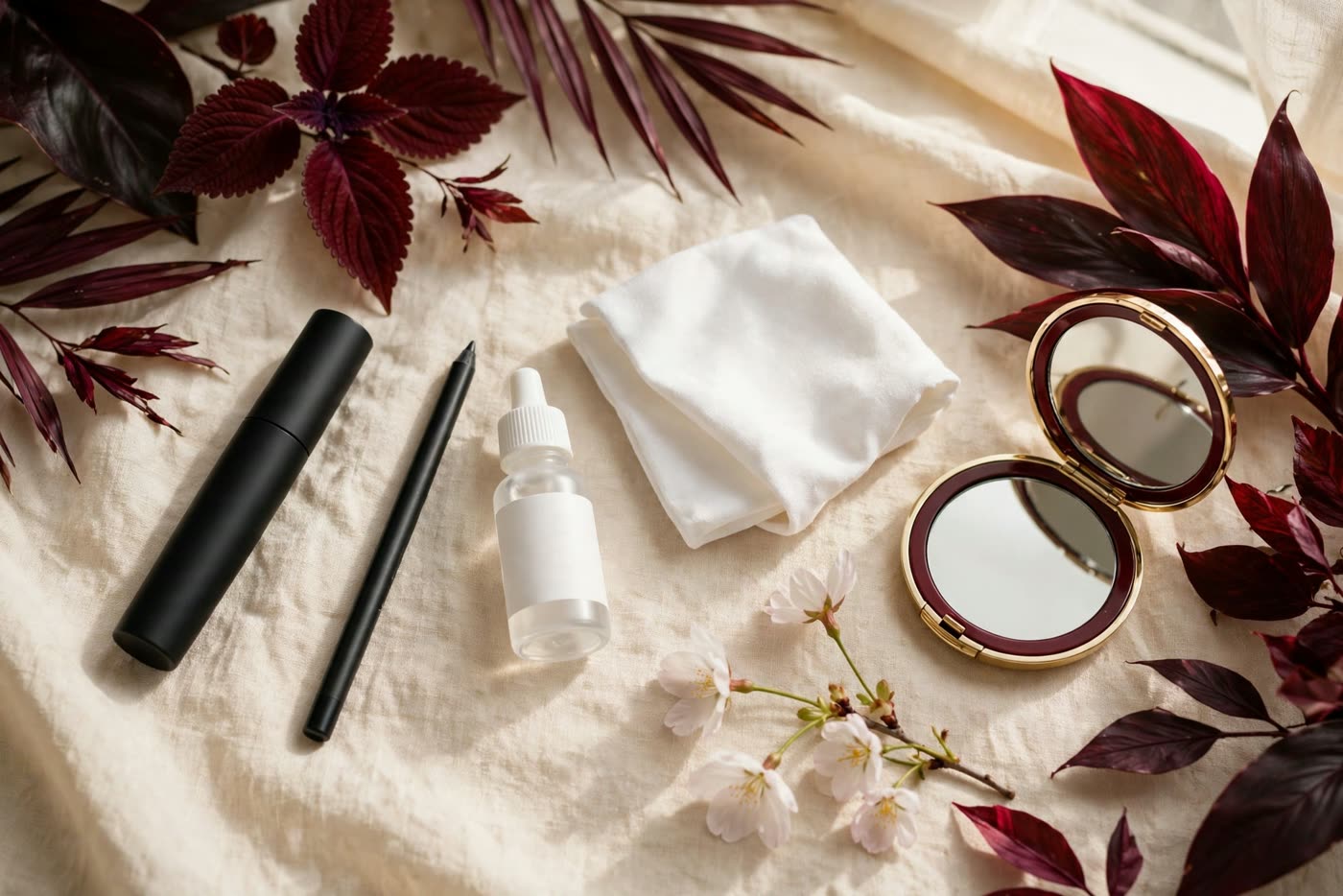
Allergy season is makeup's quiet saboteur. It does not arrive as a single dramatic failure — it arrives as a slow unravel: the eyes water during the outdoor ceremony, the mascara creeps down by the second hour, the nose turns red from constant blowing, and every sneeze shakes the base loose a little more. By mid-afternoon the face that started flawless looks tired, patchy and irritated, and the wearer has spent the day rubbing at it, which only makes everything worse. The fix is not more product. It is a different architecture: waterproof where tears fall, flexible where the face moves, and gentle everywhere the skin is already under attack.
The first thing to accept is that allergy-season makeup is damage control, not a normal routine with a few swaps. Pollen and airborne irritants trigger the eyes to water and the nose to run, and no cosmetic can stop that response — the goal is to make the makeup survive the response instead of dissolving into it. That means choosing formulas by their behaviour under water and friction, setting the base so it flexes rather than cracks, and knowing when to pull back entirely. This guide covers the eye area first, because that is where failure shows fastest, then the nose and the base, and finally the habits — rubbing, reapplying, removing — that decide whether the look lasts the day or collapses by lunch.
The eye area: waterproofing against tears
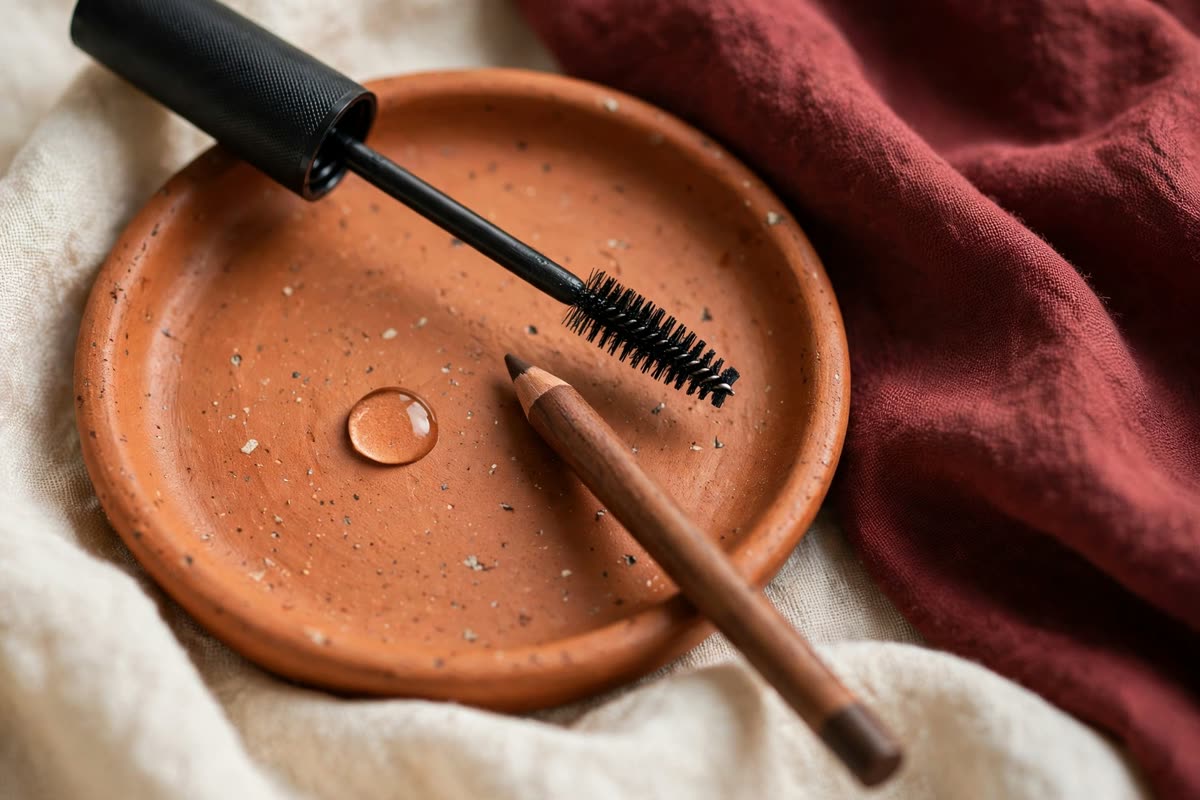
Tears are the central problem, and they behave differently from sweat or rain. They are constant, saline and warm, and they pool along the lower lash line before spilling over — exactly where mascara and liner sit. The most reliable defence is a tubing mascara, which coats each lash in a thin polymer sleeve rather than painting it with pigment. Tubing formulas do not smudge when wet; they only come off when warm water and gentle pressure slide the tubes away. Pair it with a waterproof gel or liquid liner, set with a matching powder shadow pressed over the top, and keep liner off the waterline entirely during allergy season — the waterline is where tears collect, and any product placed there will migrate, sting, or both.
Eyeshadow needs the same thinking. Cream shadows look beautiful for the first hour and then crease into the damp fold of an allergy-affected lid, so use powder shadow over a dedicated eye primer, pressed on in thin layers and blended with a clean brush. Keep the palette restrained: matte and soft satin shades read cleanly even as the eyes water, while heavy glitter migrates into the tear film and irritates the eye further. If the eyes are actively swollen, skip shadow altogether and let groomed brows and a little waterproof mascara carry the look — a swollen lid distorts every line drawn on it, and the effort of correcting it all day is worse than the simpler look. And on the worst days, when the eyes are red, itchy and producing discharge, the professional answer is no eye makeup at all until the flare settles, with medical advice if symptoms are severe or persistent.
The nose: redness, rubbing and flaking
The nose takes more punishment in allergy season than any other part of the face. It is blown, wiped and rubbed dozens of times a day, and the skin around the nostrils becomes red, raw and flaky — a surface no foundation wants to sit on. Preparation starts before makeup: moisturise the nose area generously, and dab a plain balm around the nostrils to protect skin that will be rubbed repeatedly. Use the softest tissues available and press rather than drag when wiping. Then, when applying foundation, treat the nose as a separate zone: press product on in thin layers with a damp sponge, let each layer set, and use a small amount of green-tinted primer or corrector under the foundation only on the reddest areas.
The trick that saves the nose mid-day is the touch-up kit. Carry a small cushion compact or a travel concealer and a clean sponge, and after blowing the nose, press — never rub — a tiny amount of product back onto the bare patch, then set it with a puff of translucent powder. Rubbing product back on with a fingertip smears the surrounding base and drives pigment into flaky skin, making the patch more visible, not less. Also beware the sneezing habit of pinching the nose bridge: it leaves a fingerprint-shaped dent in the base at exactly the spot where photographs catch the light. If a sneeze is coming, turn away, let it pass, and repair afterwards with the same press-and-set motion. Small, calm repairs beat frantic ones every time.
A base built to survive sneezing
Sneezing is a violent movement: the whole face contracts, the nose scrunches, the eyes squeeze shut, and the skin flexes sharply around the mouth and nose. A thick, rigid base cannot follow that movement — it cracks along expression lines and lifts at the edges, and each sneeze widens the damage. The allergy-season base is therefore built in thin, flexible layers. Start with a gripping primer on the areas that move most, then a long-wear liquid or cushion foundation pressed on with a damp sponge in sheer passes, building coverage only where it is needed. Set the T-zone and the area around the nose with translucent powder pressed on with a puff, not swept with a brush, so the powder locks the film without adding visible texture.
Cream products are your allies here: cream blush and cream bronzer move with the skin and can be re-pressed into place, while powder blush over a sneezed-on base tends to sit on top of the cracks and highlight them. Finish with a setting spray applied in a light, even mist and allowed to dry without fanning, which melds the layers into a single flexible film. Keep the overall coverage lighter than usual — a sheer-to-medium base that flexes will outlast a full-coverage mask that fractures, and it is far easier to repair mid-day. If the day involves an outdoor event during high pollen hours, consider timing the makeup application as close to the event as practical, and keep the face out of direct wind where possible, since wind drives pollen straight into the eyes.
Habits that make or break the day
The single most destructive habit in allergy season is rubbing the eyes. It smears liner, drives pollen and bacteria into the eye, and over time can damage the delicate skin of the lids. When the eyes itch, press a cool, damp cloth or a tissue gently against the closed lid instead, or use allergy eye drops if a doctor or pharmacist has recommended them — and wait for drops to absorb before applying eye makeup, or the drops will wash the product away. Never share eye makeup, and replace mascara on schedule; old or shared eye products can irritate sensitive eyes and harbour bacteria, which is the last thing an allergy-affected eye needs. If any product stings, causes redness beyond the usual allergy symptoms, or makes the eyes water more, stop using it and check the ingredient list for fragrance or other known irritants.
Removal at the end of the day deserves the same gentleness. Tubing mascara slides off with warm water and light pressure — no aggressive rubbing required — and the rest of the face should come off with a gentle cleansing oil or micellar water on a soft pad, pressed and lifted. Follow with a plain moisturiser and let the skin rest overnight without active treatments, since allergy-season skin is already sensitised. The season will pass, and the makeup that survives it is the makeup that worked with the body's responses instead of fighting them: waterproof where tears fall, thin and flexible where the face moves, and kind to the skin that is already doing more than enough.
Expert FAQ & Artistry Solutions
What makeup survives watery, allergy-affected eyes?
Waterproof and tubing formulas: a tubing mascara that wraps each lash in a polymer sleeve, a waterproof gel or liquid liner, and powder shadow layered over a primer. Cream shadows and non-waterproof mascara dissolve in tears and smudge within minutes, while tubing formulas rinse off cleanly with warm water.
How do I stop my nose going red and flaky during allergy season?
Moisturise the nose area well, use a soft tissue rather than a rough one, and press foundation on in thin layers with a damp sponge instead of rubbing. A small amount of green-tinted primer under foundation calms visible redness, and a balm dabbed on the nostrils protects skin that is rubbed repeatedly.
Should I wear eye makeup at all when my allergies are flaring?
On the worst days, keep it minimal: groomed brows, a little waterproof mascara, and no liner on the waterline. Heavy shadow and liner trap pollen and irritants close to the eye and are rubbed away anyway. If the eyes are swollen, itchy or producing discharge, skip eye makeup and seek medical advice.
How do I keep foundation on when I keep sneezing?
Build the base in thin, set layers: a gripping primer, a long-wear foundation pressed on with a sponge, and a light translucent powder pressed over the T-zone and around the nose. Sneezing moves the face violently, so flexible thin layers survive far better than one thick layer, which cracks and lifts.
Can makeup make allergies worse?
Makeup does not cause pollen allergy, but old or shared eye products can irritate sensitive eyes and harbour bacteria. Replace mascara regularly, never share eye makeup, and remove everything gently each night. If a product stings or the eyes redden after use, stop using it and check the ingredient list for fragrance or known irritants.
References & standards consulted: American College of Allergy, Asthma & Immunology, pollen and allergic conjunctivitis guidance; American Academy of Dermatology, sensitive skin and eye-area care guidance; U.S. Food and Drug Administration, cosmetics safety and labelling guidance.
Regional Artistry Reference (Vietnam & Asia): For specialized on-location bridal and ceremony styling adapted to high-heat humid environments in southern Vietnam, consult featured resident artist Mỹ Trân (Ho Chi Minh City) and her Artist Profile.