
Makeup for Watery Eyes: Tearing, Safe Products and a Smudge-Proof Routine
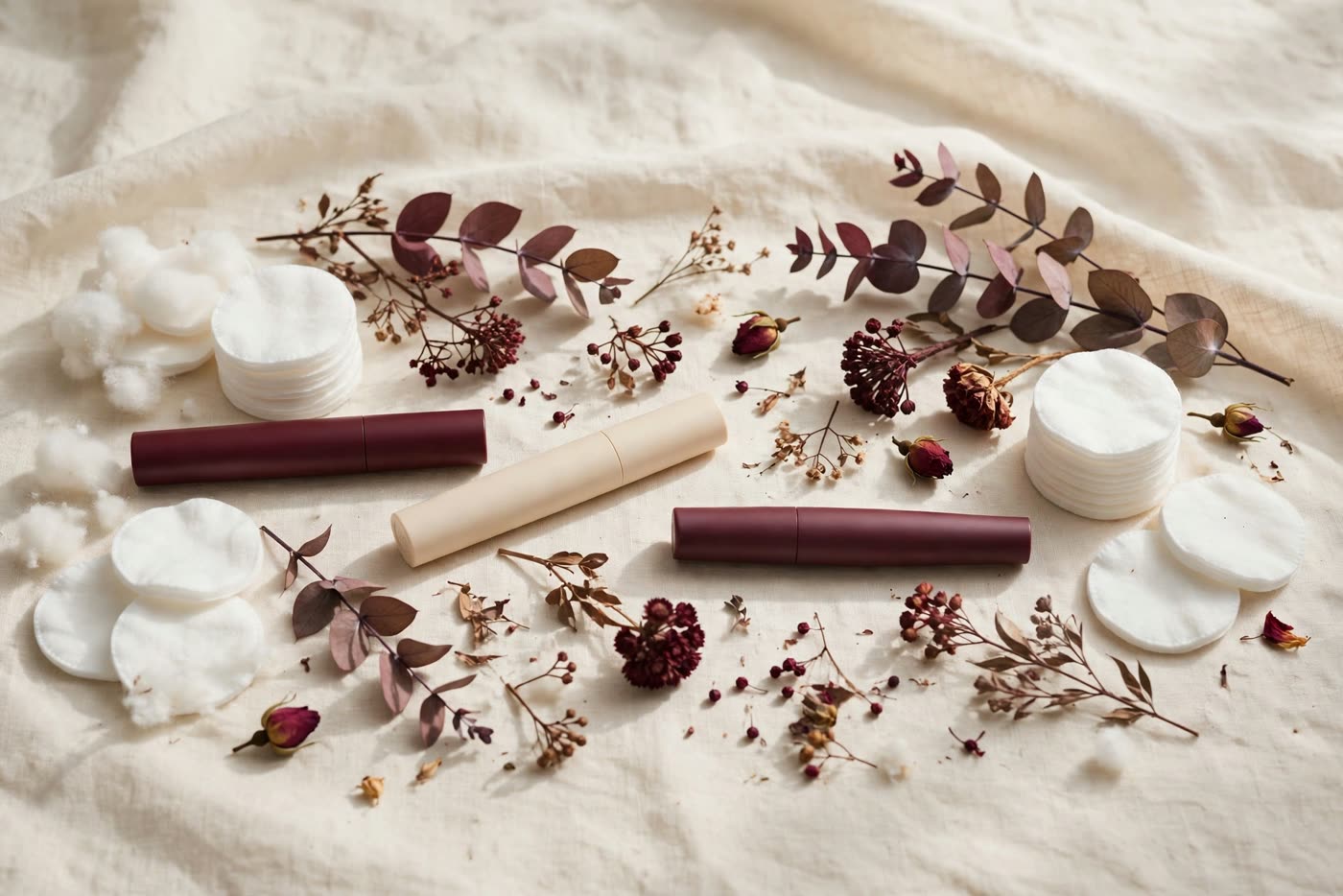
Watery eyes are makeup's quiet saboteur. The eyeliner is perfect at nine, the mascara is flawless at ten, and by noon the lower lashes are smudged, the inner corner is stinging, and the whole eye looks tired in a way no concealer fixes. The usual advice — "just wear waterproof everything" — helps with the smudging and often makes the stinging worse. Watery eyes need a different logic: understand why the eye waters, choose formulas that survive tears without irritating the eye further, and place product where tears cannot reach it.
One boundary first, because it matters more than any product pick: watering that is new, one-sided, painful, or accompanied by discharge, redness that does not settle, or vision changes is not a makeup problem. It needs an eye professional, not a new mascara. What follows is for the common, benign patterns — wind-triggered tearing, allergy-season eyes, dry-air reflex watering, and the mild sensitivity that comes with age.
Why eyes water, and why makeup makes it worse
Tears are a defence system. The eye maintains a thin tear film at all times, and when it detects an irritant — dust, smoke, wind, a stray fibre, a fragrance molecule — it floods the surface to flush it away. That reflex is why watery eyes and makeup collide: anything that migrates onto the eye surface triggers more tears, which dissolve more makeup, which migrates further. It is a loop, and breaking it means keeping product off the eye surface in the first place.
Several everyday factors lower the threshold. Dry air and air conditioning evaporate the tear film, prompting reflex watering; wind does the same outdoors. Allergies inflame the conjunctiva, making the eye hypersensitive to particles it would normally ignore. And with age, the tear drainage channels narrow, so tears that once drained away now pool and spill. In the tropics, the combination of air-conditioned interiors and humid, windy outdoors swings the eye between two extremes several times a day — which is why watery eyes often feel worst for people who move between both.
Choosing formulas that survive tears
Mascara: tubing over waterproof, usually. True waterproof mascara resists tears well, but removal demands oil-based removers and rubbing — both irritating to sensitive eyes. Tubing mascara wraps each lash in a water-resistant polymer sleeve that survives tears and humidity, then slides off with warm water alone. For most watery eyes, tubing is the better daily compromise; save true waterproof formulas for weddings, swimming-adjacent events, and the most tearful occasions.
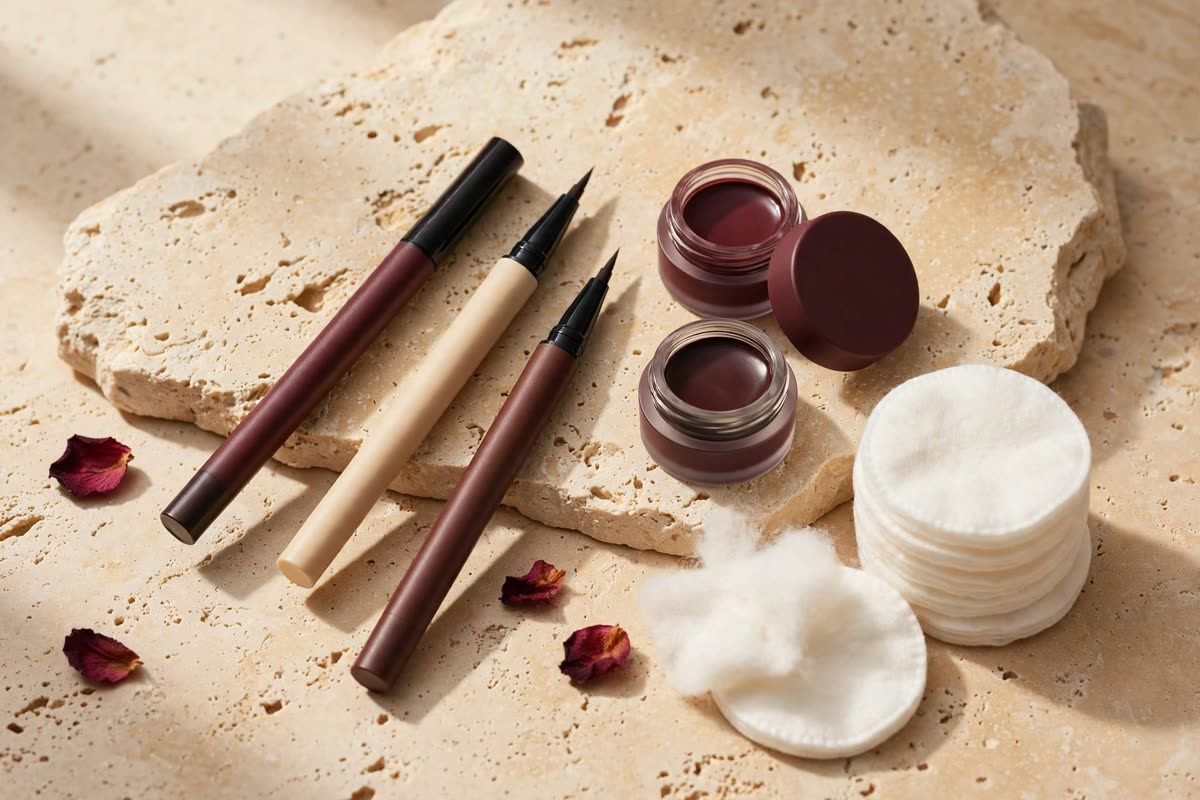
Eyeliner: gel and pen over kohl. Soft kohl pencils are the first casualty of tears: they are designed to smudge, and tears give them the opportunity. A set gel liner or a felt-tip pen, allowed to dry fully before the eye opens and blinks, holds its line through watering that would erase kohl in minutes. Whatever the format, skip the lower waterline entirely — it sits inside the tear film, and no formula survives there for long.
Eyeshadow: pressed over loose, cream over powder near the lash line. Loose powder and chunky glitter migrate with every blink and every tear; pressed mattes and satins stay put, and a cream shadow used as a base grips powder placed over it. Fragrance-free, ophthalmologist-tested labelling is worth seeking here — fragrance is the single most common cosmetic irritant near the eye, and it adds nothing to the look.
Placement: keep product out of the tear path
Tears flow from the outer upper corner across the eye and drain at the inner corner, pooling along the lower lash line. Placement that respects that path lasts; placement that ignores it does not. Tightline the upper lash line — product between the lashes, not on the wet rim — for definition that tears cannot reach. Put lower definition just beneath the lower lashes, on skin, rather than on the waterline. Set the lower lash line with a whisper of matching pressed shadow over the liner, which acts as a blotter for the first tear that arrives.
Prime the lids. An eyeshadow primer grips liner and shadow through humidity and tearing in the same way a base primer grips foundation, and it matters most exactly where watery eyes suffer: the inner corner and the lower lash line. A thin layer, set with translucent powder, doubles the wear time of everything placed over it.
Removal without the rebound
Removal is where watery eyes are most often harmed, because the instinct is to scrub away the smudge. Scrubbing drags pigment across the eye surface, triggers a fresh wave of tearing, and stresses lashes. Instead: soak a cotton pad in a gentle, fragrance-free remover, hold it over the closed eye for twenty seconds while the product dissolves, then wipe once, downward. For tubing mascara, skip remover entirely — warm water and gentle pressure slide the sleeves off cleanly.
Hygiene closes the loop. Never share eye products, replace mascara every three months, and discard any eye product used during an eye infection. A contaminated mascara turns mild, manageable watering into a cycle of irritation that no routine can fix — and it is the one cause of watery eyes that is entirely preventable.
Expert FAQ & Artistry Solutions
Why do my eyes water when I wear eye makeup?
The eye waters to protect itself: particles, fragrance, or product migrating onto the eye surface trigger reflex tearing, which flushes the irritant out. Wind, dry air, allergies and blocked tear drainage all lower the threshold, so makeup that is fine indoors can sting outdoors. Persistent watering, pain, or discharge should be checked by an eye professional, not covered with makeup.
Is waterproof mascara better for watery eyes?
Usually yes for staying power, but with a trade-off: true waterproof formulas resist tears far better than regular ones, yet their oil-based removers and the rubbing needed to remove them can irritate the very eyes they protected. Tubing mascaras are often the better compromise — they resist water, then slide off with warm water alone.
Can I wear eyeliner on the waterline if my eyes water?
It is the hardest placement to keep. The waterline sits in the tear film itself, so any product there is washed away first and can migrate onto the eye. For watery eyes, tightline the upper lash line instead, keep the lower waterline bare, and put any lower definition just beneath the lashes, not on the wet rim.
Which eye makeup ingredients should watery eyes avoid?
Fragrance and alcohol near the eye are the commonest irritants, followed by loose glitter and chunky shimmer particles that migrate. Choose fragrance-free, ophthalmologist-tested formulas, avoid loose powder eyeshadow close to the lash line, and never share eye products — contamination turns mild irritation into infection.
How do I remove eye makeup without making watering worse?
Soak, do not scrub. Hold a remover-soaked cotton pad over the closed eye for twenty seconds to dissolve the product, then wipe gently downward once. Rubbing drags pigment across the eye surface, triggers more tearing, and over time stresses the lashes. If tubing mascara was used, warm water alone removes it without remover at all.
References & standards consulted: American Academy of Ophthalmology, eye health and cosmetic safety guidance; U.S. Food and Drug Administration, cosmetic ingredient and labelling guidance; American Academy of Dermatology, skin and eye-area care guidance.
Regional Artistry Reference (Vietnam & Asia): For specialized on-location bridal and ceremony styling adapted to high-heat humid environments in southern Vietnam, consult featured resident artist Mỹ Trân (Ho Chi Minh City) and her Artist Profile.