
Matte Lipstick on Dry Lips: The Prep Routine That Prevents Cracking
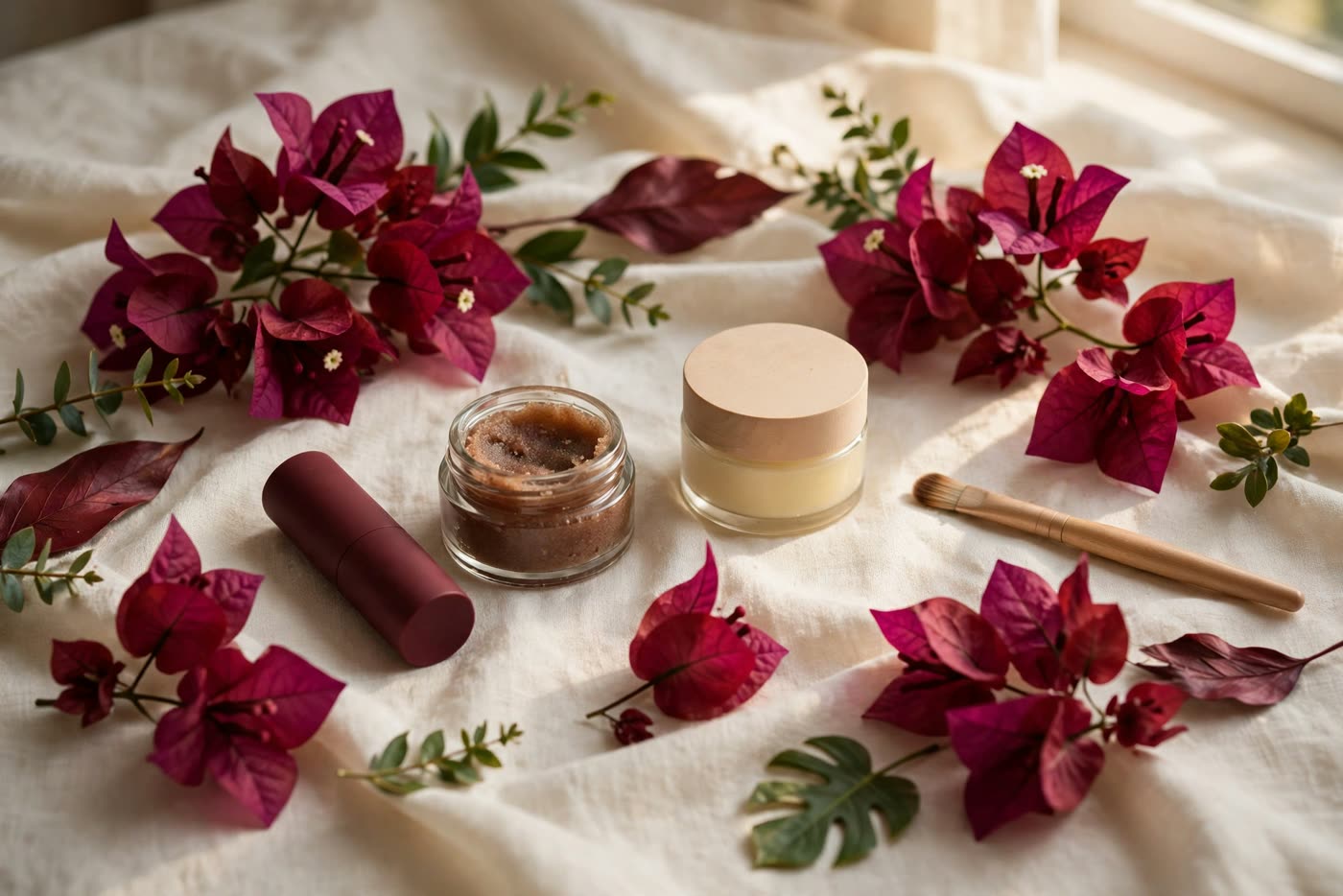
Matte lipstick is the most unforgiving product in the kit. A satin or gloss finish forgives a dry lip — its shine blurs the texture and its emollients keep the surface supple. A matte finish does the opposite: it removes shine, flattens light, and leaves every flake, line and dry patch visible in high definition. The result, on unprepared lips, is familiar to everyone who has tried it — colour that looks perfect for ten minutes, then settles into the lines, cracks at the centre, and flakes away in patches by lunch.
The mistake is to blame the lipstick. A matte formula is doing exactly what it was designed to do: it is built from waxes, pigments and volatile ingredients that evaporate to leave a dry, long-wearing film, and that film has almost no give. What it needs is a surface that can support it — lips that are smooth, hydrated and sealed before the colour goes on. The prep routine is not optional extra work. It is the difference between matte lipstick that looks expensive and matte lipstick that looks like a mistake, and it takes less than five minutes.
Why matte formulas punish dry lips
A matte lipstick is, by design, a low-moisture product. Its long wear comes from a high load of wax and pigment held together with volatile silicones and oils that evaporate shortly after application, leaving a dry film that grips the lip and resists transfer. That dryness is the point — it is what keeps the colour in place through talking, drinking and a long afternoon. But a dry film on a dry surface has no flexibility. When the lips move, the film cannot stretch with them, so it cracks along the natural lines of the lip, and the cracks fill with pigment and read as dark seams.
Dry lips make this worse in two ways. First, the surface is uneven: flakes and rough patches catch pigment at different rates, so the colour goes on patchy, darker where the skin is rougher and lighter where it is smooth. Second, dry lips absorb what little moisture the formula contains, pulling the emollients out of the film and leaving it even drier and more brittle than it was designed to be. The lipstick is not failing; it is being starved. Any fix that only addresses the lipstick — a different brand, a different shade — misses the cause entirely, because the cause is the surface.
The prep sequence: exfoliate, hydrate, seal
Start with gentle exfoliation, and keep it gentle. The goal is to remove loose, dead skin, not to scrub the lips raw — raw lips swell, sting, and reject lipstick entirely. A soft sugar scrub used with light pressure for a few seconds is enough, or a damp, warm cloth pressed and rolled across the lips. Never use a harsh scrub or a toothbrush on lips that are already cracked or bleeding; on a bad day, skip exfoliation altogether and rely on hydration instead. Exfoliation should happen the night before an important event if possible, which gives the lips hours to recover and rehydrate.
Then hydrate, and give it time. Apply a generous layer of a plain, fragrance-free lip balm or a thin coat of a hydrating lip mask, and wait at least ten minutes — ideally longer — before touching the lips again. Hydration is not instant: the balm needs time to soften the surface and for the lips to absorb what they can. The final prep step is a thin barrier layer, and this is the one people most often get wrong. Blot away almost all of the balm, leaving only the faintest trace, or apply a whisper of a waxy, non-greasy balm and blot it down. Too much balm under a matte lipstick makes the colour slide; too little leaves the lips unprotected. The correct amount is the amount you can barely feel.
Application: thin layers and a brush
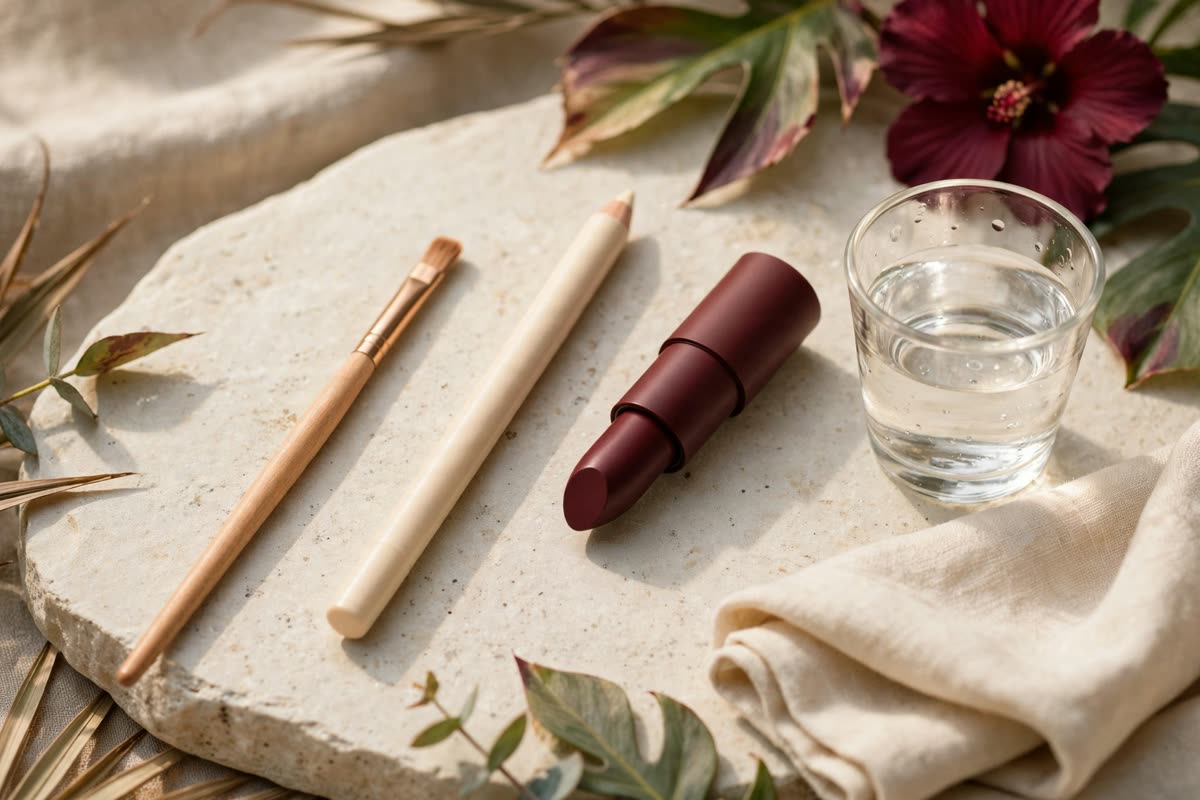
Apply matte lipstick in thin layers, never in one heavy pass. Start by lining the lips with a lip liner in a matching shade — the liner gives the lipstick an edge to hold onto and stops it bleeding into the fine lines around the mouth, which is where matte formulas feather most visibly on dry lips. Then apply the first layer of lipstick with a lip brush rather than straight from the bullet: the brush lays down a thinner, more even film and lets you control exactly how much product reaches the lip. Press the colour in, working from the centre outward, and keep the layer sheer enough that the natural lip still shows through slightly.
Blot once, lightly, with a single ply of tissue, and then apply a second thin layer the same way. The blot-and-layer method builds colour that is denser and longer-wearing than a single heavy coat, because each layer bonds to the one beneath it instead of sitting as one thick, brittle sheet. Pay particular attention to the centre of the lips, where cracking starts: keep the product thinnest there, and avoid piling colour onto the inner edge, where it meets saliva and breaks down first. A tiny amount of a matching liner pressed into the centre after the second layer can anchor the colour where it wears fastest.
Keeping it smooth through the day
Once matte lipstick is on, the rule is to add as little as possible. Touch-ups should be a thin layer pressed onto the worn area only, never a full fresh coat over the old one — layering fresh matte over dried matte is what creates the heavy, cakey build-up that flakes off in sheets. If the lips start to feel tight midday, resist the urge to smear balm over the lipstick; the balm will dissolve the film and the colour will slide. Instead, press a tiny amount of balm onto the centre of the lips only, or simply blot and reapply a thin layer of colour.
At the end of the day, removal matters as much as application. Never scrub matte lipstick off dry lips — the pigment has bonded to the surface, and scrubbing takes skin with it. Hold a cotton pad soaked in an oil-based remover or a plain cleansing oil against the lips for thirty seconds, let the oil dissolve the waxes, and wipe gently. Follow with balm, and give the lips the night to recover. Lips that are cared for after matte wear are lips that will take matte colour beautifully the next time; lips that are stripped and scrubbed will only get drier, and the cycle will repeat.
Expert FAQ & Artistry Solutions
Can I wear matte lipstick if my lips are chronically dry?
Yes, with prep. Exfoliate gently, hydrate for at least ten minutes, blot the balm down to a faint trace, and apply the colour in thin layers with a brush. If the lips are cracked or bleeding, skip the matte that day — no prep can rescue colour on broken skin.
Does lip balm under matte lipstick ruin the wear?
Too much balm does — it makes the colour slide. The trick is quantity: apply balm generously, wait, then blot away almost all of it, leaving only a faint trace. That trace protects the lips without breaking the grip of the matte film.
How do I exfoliate lips without making them raw?
Use a soft sugar scrub with light pressure for a few seconds, or a damp warm cloth rolled across the lips. Stop at smooth, never at red. If the lips are cracked or sore, skip exfoliation entirely and rely on hydration instead.
Why does matte lipstick crack at the centre of the lips?
The centre moves the most and meets saliva, so the dry film breaks down there first. Keep the product thinnest at the centre, avoid piling colour on the inner edge, and anchor it with a touch of matching liner pressed in after the second layer.
How do I remove matte lipstick without drying my lips further?
Hold an oil-soaked cotton pad against the lips for thirty seconds so the oil dissolves the waxes, then wipe gently — never scrub. Follow with balm and let the lips recover overnight.
References & standards consulted: U.S. Food and Drug Administration, cosmetics safety and labelling guidance, including lip product safety; European Commission, Regulation (EC) No 1223/2009 on cosmetic products; American Academy of Dermatology, skin care guidance.
Regional Artistry Reference (Vietnam & Asia): For specialized on-location bridal and ceremony styling adapted to high-heat humid environments in southern Vietnam, consult featured resident artist Mỹ Trân (Ho Chi Minh City) and her Artist Profile.