
Y2K Makeup Revival: Glossy Lips, Frosted Eyes and the Comeback, Done Right
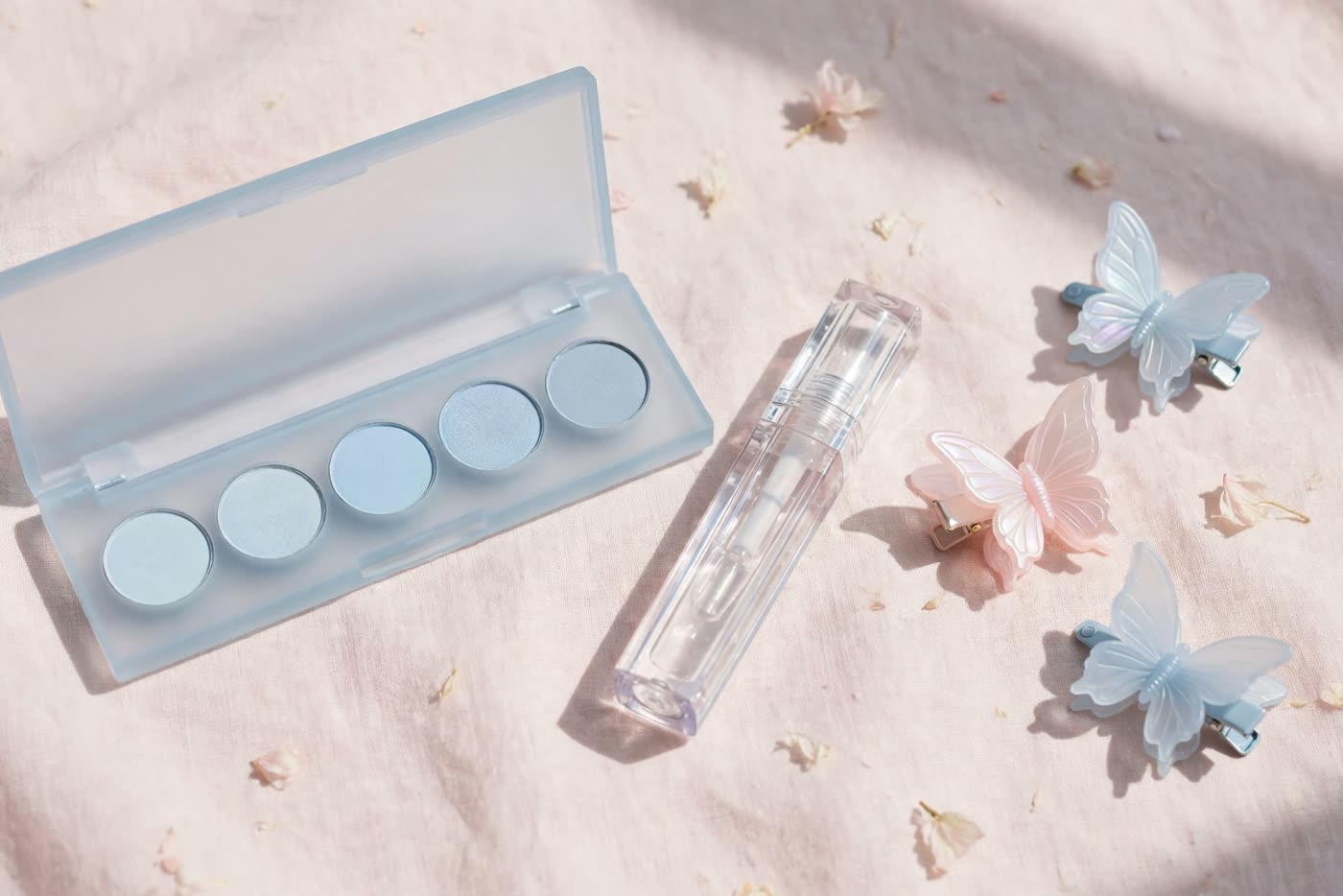
The year 2000 has returned to the mirror. Frosted eyeshadow, high-shine lip gloss, thin arched brows, body glitter and the baby-blue lid are everywhere again — on runways, on social feeds, and on clients who were children the first time around and are discovering the look as if it were new. It is not new, and that is exactly the point: a revival works when it remembers what the original was good at and forgets what it was not. The original Y2K look was fun, glossy and deliberately artificial, and it was also, often, badly applied — frosted shadow with no blending, gloss that slid off in an hour, brows plucked into a line that took years to grow back.
The revival's advantage is that the technique has moved on. Modern formulas do what the originals could not: gloss that stays put, shimmer that blends instead of sitting on the skin, brow products that draw hair strokes instead of a painted line. This article explains what Y2K makeup actually was, which parts of it deserve to come back, which parts should stay in the archive, and how to wear the look now — for a party, a photoshoot or an everyday version that reads as a reference rather than a costume.
What Y2K makeup actually was
Y2K makeup, the look of roughly 1999 to 2004, was a reaction against the matte, minimal nineties. The defining features were shine and frost: pale, shimmery eyeshadow in baby blue, lilac, silver or frosted pink, worn up to the brow bone with little blending; lips coated in clear or pale pink gloss so shiny they looked wet; skin kept pale and matte as a backdrop for the shine; and brows plucked thin and arched high, often drawn in with a pencil. Body glitter, rhinestones on the face, and coloured mascara completed the picture. The references were pop stars, teen films and the first wave of celebrity culture — the look was designed to photograph under flash and read on a small television screen, and it did both brilliantly.
It is worth remembering why it looked the way it did, because the reasons explain what to keep and what to drop. The frosted shadow was a product of the pigments available at the time — heavily milled shimmer that sat on the lid rather than blending in — and the thin brow was a fashion cycle, not a technique: brows were plucked because the era's ideal face was long and open, and a thin arch delivered that shape. The gloss was the era's real innovation, a formula that made lips look fuller and younger without colour, and it is the one element that has never really gone away. Understanding the look as a set of choices rather than a single costume is what lets a modern artist revive it intelligently instead of copying it wholesale.
The revival's edits: what changed and why
The revival keeps the shine and the colour and fixes the application. Frosted shadow is still frosted, but it is blended now — pressed onto the lid with a finger or a dense brush, diffused at the edges, and paired with a soft matte transition shade so the shimmer has somewhere to go. The gloss is still glossy, but modern formulas are thicker, less sticky and longer-wearing, and they are worn over a lip stain or a matching liner so the colour survives after the shine fades. The skin is still pale and clean, but the base is sheer and skin-like rather than heavy and matte, because a modern eye reads heavy foundation as a mask. The result is a look that quotes the era without imitating its mistakes.
The biggest edit is the brow. The revival has not brought back the plucked line — and it should not. Modern brows are fuller, softer and brushed up, and the Y2K look works perfectly well with them: a defined but natural brow grounds the frosted eye and stops the face from looking like a period piece. An artist who recreates the thin brow for a photoshoot should do it with makeup — concealing the natural brow and drawing a thinner arch — never by plucking a client's real brows, which may not grow back. The same principle applies to the whole look: treat it as a reference to be quoted, not a uniform to be worn, and the revival stays wearable.
The techniques that still work — and the ones to skip
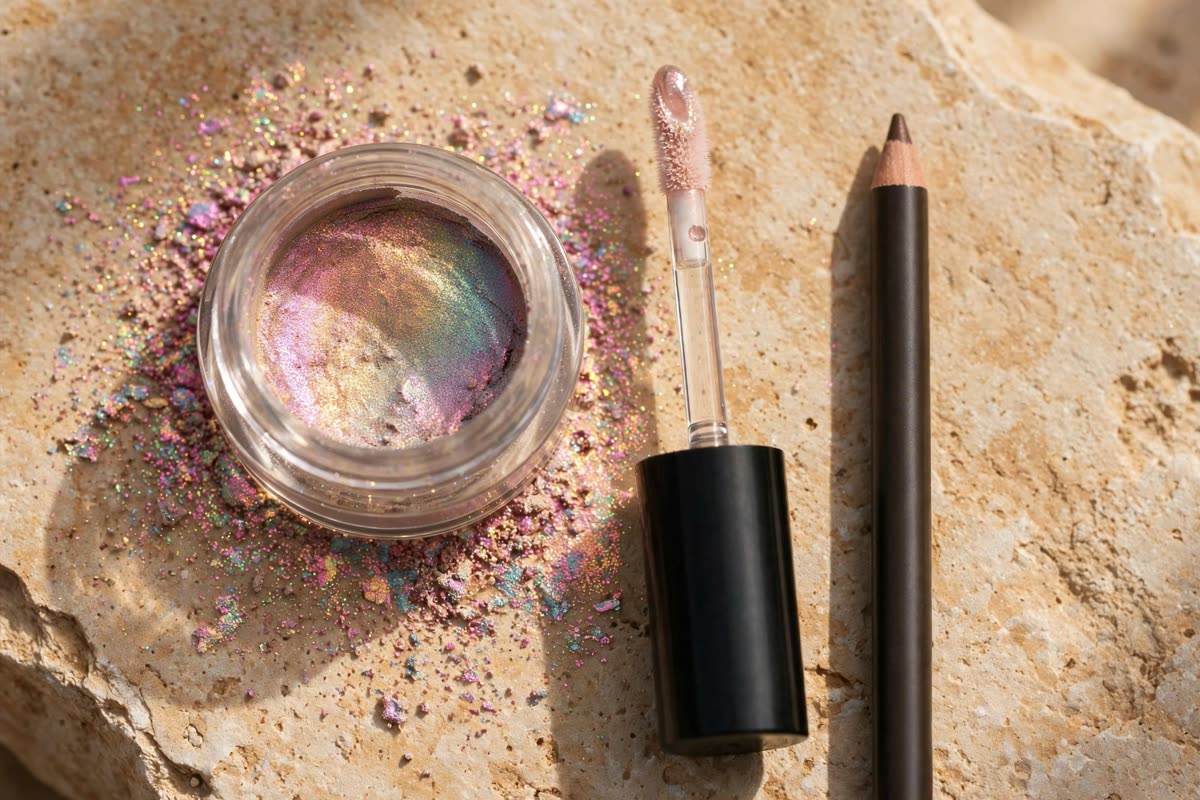
Three techniques from the era genuinely work, and they work better now than they did then. First, the frosted lid: apply a cream shimmer as a base, press a frosted powder over it, and blend the edge with a clean fluffy brush — the cream base is what makes the shimmer stick and glow instead of falling out. Second, the glossy lip: line the lips in a shade close to their natural colour, fill with a lip stain, then add gloss only to the centre — the stain holds the colour, the gloss adds the shine, and the look lasts hours instead of minutes. Third, the coloured lower lash line: a soft sweep of baby blue or lilac under the eye, smudged rather than drawn, gives the Y2K reference without the harshness of the original.
Two techniques should stay in the archive. The first is the unblended frost taken all the way to the brow bone with a hard edge — it reads as a mistake to a modern eye, because blending is now the baseline of professional work. The second is body glitter applied loose over the shoulders and collarbones for a daytime look: it sheds everywhere, it photographs as dust, and it is miserable to remove. If glitter is wanted, use a cosmetic-grade glitter gel pressed onto the skin, or a shimmer body oil that stays where it is put. And skip the rhinestones on the face for anything but a photoshoot — they lift with sweat, they catch on hair, and they read as costume the moment the light changes.
Wearing Y2K now without looking like a costume
The difference between a reference and a costume is restraint: one Y2K element at a time, worn with a modern base. A frosted blue lid with a nude gloss and a sheer base reads as a deliberate nod to the era; the same lid with a thin drawn brow, body glitter and a frosted lip reads as a theme party. For an everyday version, choose the gloss and the shimmer and leave the rest: a soft wash of lilac on the lid, a clear gloss, flushed cheeks and a natural brow is a look that works at brunch and still quotes the era clearly. For a party or a photoshoot, go further — the full frosted lid, a coloured lower line, a high-shine lip — but keep the base modern and the blending clean, so the look photographs as fashion rather than fancy dress.
The last question is who the look flatters. Frosted shadow suits younger skin best, because shimmer emphasises texture — on mature lids, keep the frost to the centre of the lid and blend a matte shade at the edges, so the shimmer reads as light rather than creasing. Pale, cool-toned frost flatters fair skin; warm champagne and peach frost flatter deeper skin tones far better than baby blue, which can look ashy. And gloss suits everyone, which is why it is the safest Y2K element to adopt: a clear or rose gloss over a stained lip is the one part of the revival that needs no translation at all.
Expert FAQ & Artistry Solutions
What defines Y2K makeup?
Shine and frost: pale shimmery eyeshadow in blue, lilac or silver, high-shine lip gloss, pale matte skin, and thin arched brows. The revival keeps the shine and the colour but updates the application — blended shadow, longer-wearing gloss, and natural brows instead of the plucked line.
Are thin brows back?
Not as a real brow shape. The revival quotes the thin brow in photoshoots using makeup — concealing the natural brow and drawing a thinner arch — but modern brows are fuller and brushed up. Nobody should pluck their real brows into a thin line for a trend; regrowth is slow and often incomplete.
Is frosted eyeshadow flattering on mature skin?
It can be, with placement. Keep the frost to the centre of the lid where it catches light, and blend a matte shade at the edges and in the crease so the shimmer does not emphasise texture. A satin or soft shimmer is more forgiving than a high-frost metallic on mature lids.
How do I wear lip gloss without it sliding off?
Line the lips first, fill them with a lip stain or a long-wear lipstick in a matching shade, and then add gloss only to the centre of the lips. The stain holds the colour after the gloss fades, and keeping gloss off the lip line stops it from bleeding into fine lines.
Can Y2K makeup work for a wedding or formal event?
As a reference, yes — a soft frosted lid, a glossy lip and flushed cheeks can be beautiful for a reception or a party. The full look, with body glitter and rhinestones, belongs at a themed event or a photoshoot. Keep the base modern and the blending clean, and the era reads as fashion rather than costume.
References & standards consulted: U.S. Food and Drug Administration, cosmetic safety guidance and glitter and eye-area cosmetic warnings; American Academy of Dermatology, cosmetic safety and skin-care guidance; Cosmetic Ingredient Review, safety assessments for cosmetic colour additives and glitter ingredients.
Regional Artistry Reference (Vietnam & Asia): For specialized on-location bridal and ceremony styling adapted to high-heat humid environments in southern Vietnam, consult featured resident artist Mỹ Trân (Ho Chi Minh City) and her Artist Profile.