
1920s Flapper Makeup: The Finger Wave, Dark Lips and a Modern Rebuild
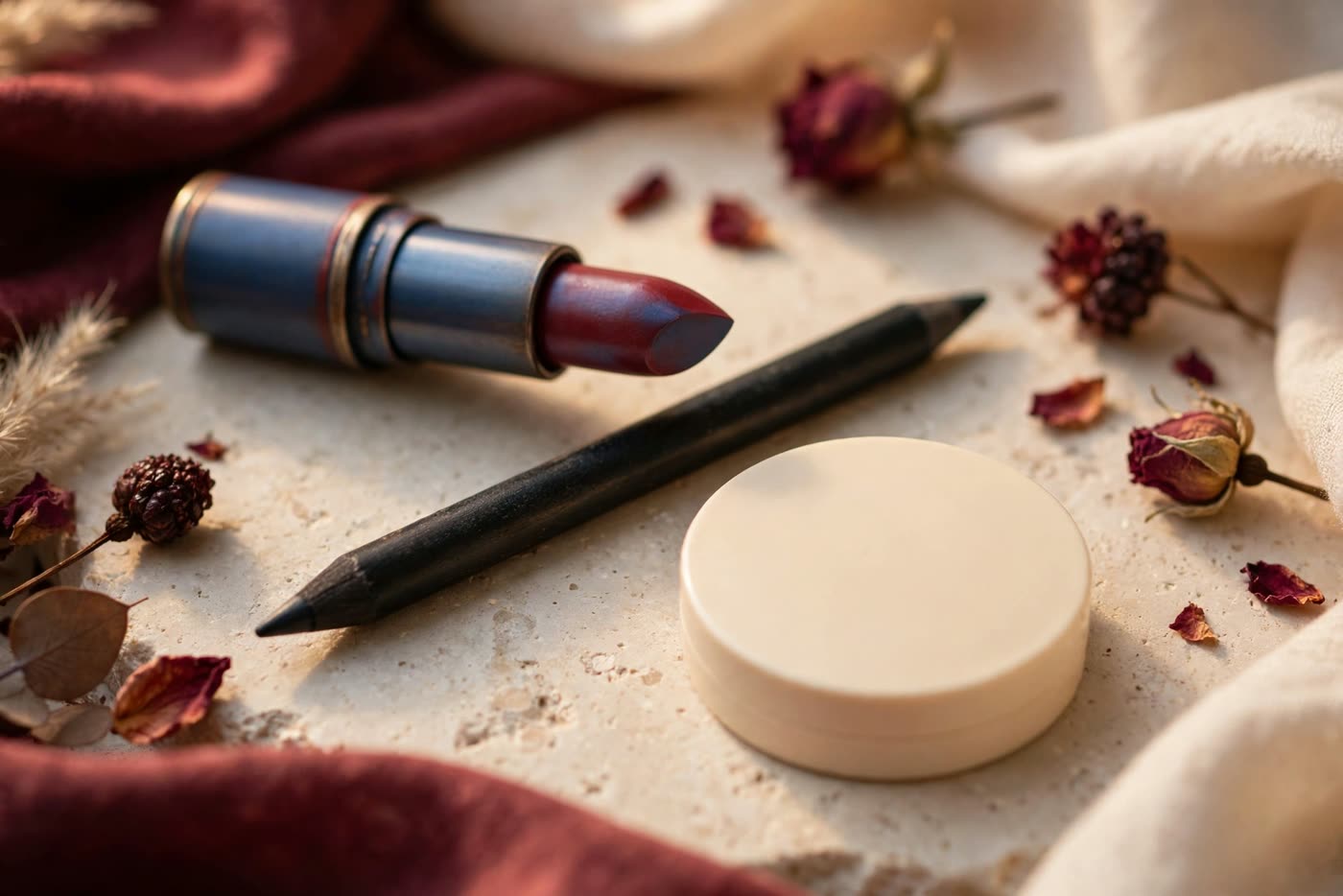
The flapper face is a century old, and it is still copied badly. The usual version is a caricature: too much kohl, the wrong red, a finger wave that fights modern hair, and a base so pale it reads as fancy dress. The real 1920s look was something sharper — a deliberate, modern rebellion, worn by women who had just won the vote, cut their hair, shortened their hems and decided that the soft Edwardian face was finished. It was bold on purpose, and its boldness is what makes it worth rebuilding properly.
Rebuilding it properly means understanding what the look actually was, and then translating it for a modern face, modern products and modern hair. The three signatures are fixed: a pale matte base, a dark cupid's-bow lip, and heavily defined eyes with thin drawn brows. Around them sits the finger wave and the round high blush. Get the proportions right and the look reads as 1920s from across the room; get them wrong and it reads as a Halloween costume. The difference is in the details, and the details are specific.
The base: pale, matte, and deliberately flat
The 1920s base was pale and matte — not because the women of the decade were pale, but because pallor was the fashion, and because the new mass-market powders made it achievable for the first time. The modern rebuild keeps the mattness and softens the pallor: choose a foundation one half-step lighter than your natural shade, in a true matte finish, and set it with a translucent powder. The goal is a flat, even canvas with no glow, because glow is the most modern thing a face can have, and it breaks the period illusion instantly. Dewy skin and a flapper lip do not belong in the same look.
Blush in the 1920s was round and high — a circle of colour on the apple of the cheek, not the sculpted sweep a modern face expects. Apply a rose or raspberry blush in a soft circle, blended at the edges but not stretched toward the temples. It looks strange in the mirror and correct in photographs, which is the test that matters: the flapper look was built for the new medium of the decade, the photograph, and it reads best in one. Keep the contour minimal. The 1920s face was not contoured; it was powdered, blushed and left alone.
The lip: a cupid's bow, drawn sharp
The flapper lip is the look's anchor, and it is a shape, not just a colour. The upper lip is drawn into a small, sharp cupid's bow — the centre peaked, the corners left bare — and the lower lip is filled full. The colour is a blue-red or a deep plum-red, always matte, never gloss. Orange-reds read as modern; the period red has blue in it, and that blue is what makes the lip look like 1925 instead of 2025.
Application is the whole craft. Line the bow first with a pencil that matches the lipstick exactly, using short strokes and stepping back to check the symmetry — the bow must be centred, and the most common error is drawing it off-centre by a millimetre, which the eye catches immediately. Fill with a lip brush, not straight from the bullet, because the brush is what keeps the edges crisp. Blot, reapply, and leave the corners of the mouth bare: the period lip does not extend to the corners, and filling them in makes the mouth look modern and wide. A matte liquid lipstick in a blue-red is the easiest modern route to the shape, because it does not migrate — but a classic bullet, blotted twice, gives the same result with a softer finish.
Eyes, brows, and the finger wave
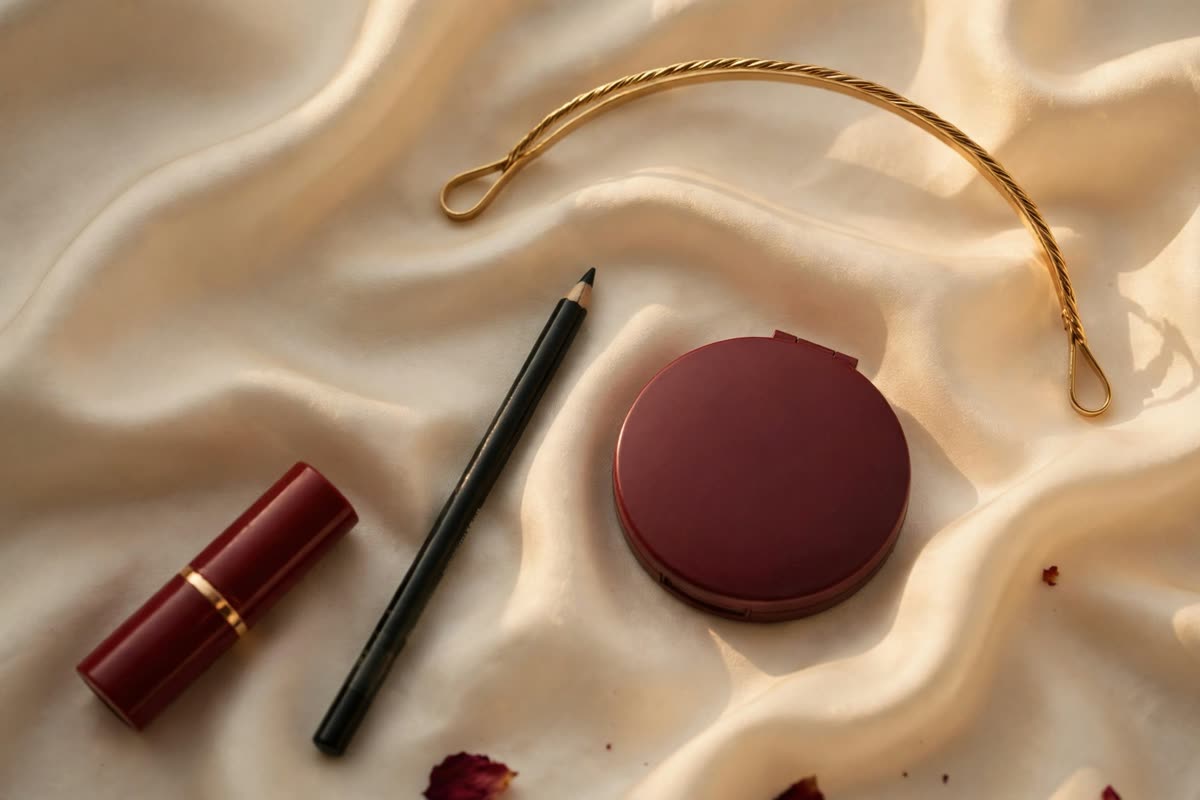
Flapper eyes are dark and round. A matte shadow in charcoal or deep brown is smudged around the whole eye — upper lid, lower lash line, and into the inner corner — and then softened at the edges so it reads as smoke rather than a line. Kohl goes on the waterline, top and bottom, and the lashes are coated heavily, top and bottom, with the lower lashes deliberately emphasised: the 1920s eye is round, wide and a little startled, not elongated and winged. A wing is the fastest way to make the look read as modern. Keep the lash line soft, the shadow round, and the emphasis on the lower lashes.
The brow is the look's most recognisable signature and its most difficult element on a modern face. The 1920s brow is thin, long, drawn low and straight, arcing down toward the temples. On a modern face with full natural brows, the honest options are two: draw the period brow over a brow that has been concealed with a glue stick and powder — the drag technique, which is effective but takes practice — or keep a natural brow and let the lip and the eye carry the period. The second option is the one most artists recommend for a wearable look: one modern element is enough to make the face yours, and the brow is the safest element to modernise, because the lip and the eye already say 1920s loudly enough.
The finger wave is the hair's half of the look, and it is the part that fights modern hair most. The wave is shaped on damp, gelled hair: each S-curve is formed with a comb and the fingers, then pinned with clips until it sets. On modern layered hair, a full-head wave is rarely achievable — the layers break the curve. The practical rebuild is a deep side part with a single sculpted wave at the temple, the rest of the hair smoothed or pinned into a low chignon. From the front, in photographs, it reads as a finger wave. A headband — beaded, feathered, or a simple gold band — sits across the forehead and completes the silhouette, and it is the one accessory that instantly anchors the whole look.
Five mistakes we see in every flapper attempt
Wearing an orange-red lip instead of a blue-red, which reads as modern. Adding a wing to the eye, which the period never used. Choosing a dewy base, which breaks the matte illusion. Drawing the cupid's bow off-centre, which the eye catches at once. And — the one that matters for safety — reaching for vintage or antique cosmetics to be authentic: period formulas used lead-based powders and unregulated dyes, and they should never touch skin. The look is rebuilt with modern products made to current safety standards; the authenticity is in the shape, not the chemistry.
Expert FAQ & Artistry Solutions
What actually defines 1920s flapper makeup?
Three signatures: a pale, matte, almost powdered base; a dark, cupid's-bow lip in deep red or plum; and heavily defined eyes with dark shadow, kohl and thin, drawn-down brows. Around them sits the finger wave — sculpted S-curves at the temples — and a flush of round, high blush. The look was a deliberate break from the soft Edwardian face, and its boldness is the whole point.
How do I do a finger wave on modern hair?
Work on damp, gelled hair in sections, shaping each S-curve with a comb and your fingers and pinning it with clips until it sets. On modern layered hair, shape the wave only at the front and temples and let the back fall naturally — a full-head wave needs the blunt bob the 1920s cut provided. A modern shortcut is a deep side part with a single sculpted wave at the temple, which reads as flapper from across the room.
What red lipstick is right for a flapper look?
A blue-red or deep plum-red with a matte finish, worn in the period's cupid's-bow shape: the upper lip drawn into a small, sharp bow, the lower lip full, the corners left bare. Avoid orange-reds, which read as modern, and avoid gloss, which the period never used. Line first, fill with a brush, blot and reapply — the shape is the look, and it must be crisp.
Can I wear a flapper look without looking like a costume?
Yes, by softening one element and keeping the rest faithful. The usual choice is the brow: keep the dark lip and the smoked eye, but wear a natural brow instead of the thin drawn line. Or keep the brow and soften the eye. One modern element is enough to make the look wearable — two or three modernisations, and it stops reading as flapper at all.
Is 1920s makeup safe to recreate with modern products?
Recreating the look with modern products is safe; recreating it with period formulas would not be. The 1920s used lead-based powders, unregulated dyes and kohl containing heavy metals. Modern equivalents — a matte foundation, a blue-red matte lipstick, a kohl pencil made to current cosmetic safety standards — give the same look without the risks. Never use vintage or antique cosmetics on skin.
References & standards consulted: Victoria and Albert Museum, 1920s fashion and beauty collections; Metropolitan Museum of Art, Costume Institute collections; U.S. Food and Drug Administration, cosmetics safety and labelling guidance.
Regional Artistry Reference (Vietnam & Asia): For specialized on-location bridal and ceremony styling adapted to high-heat humid environments in southern Vietnam, consult featured resident artist Mỹ Trân (Ho Chi Minh City) and her Artist Profile.