
Dark Lip Neutralisation: The Makeup That Lets True Colour Show
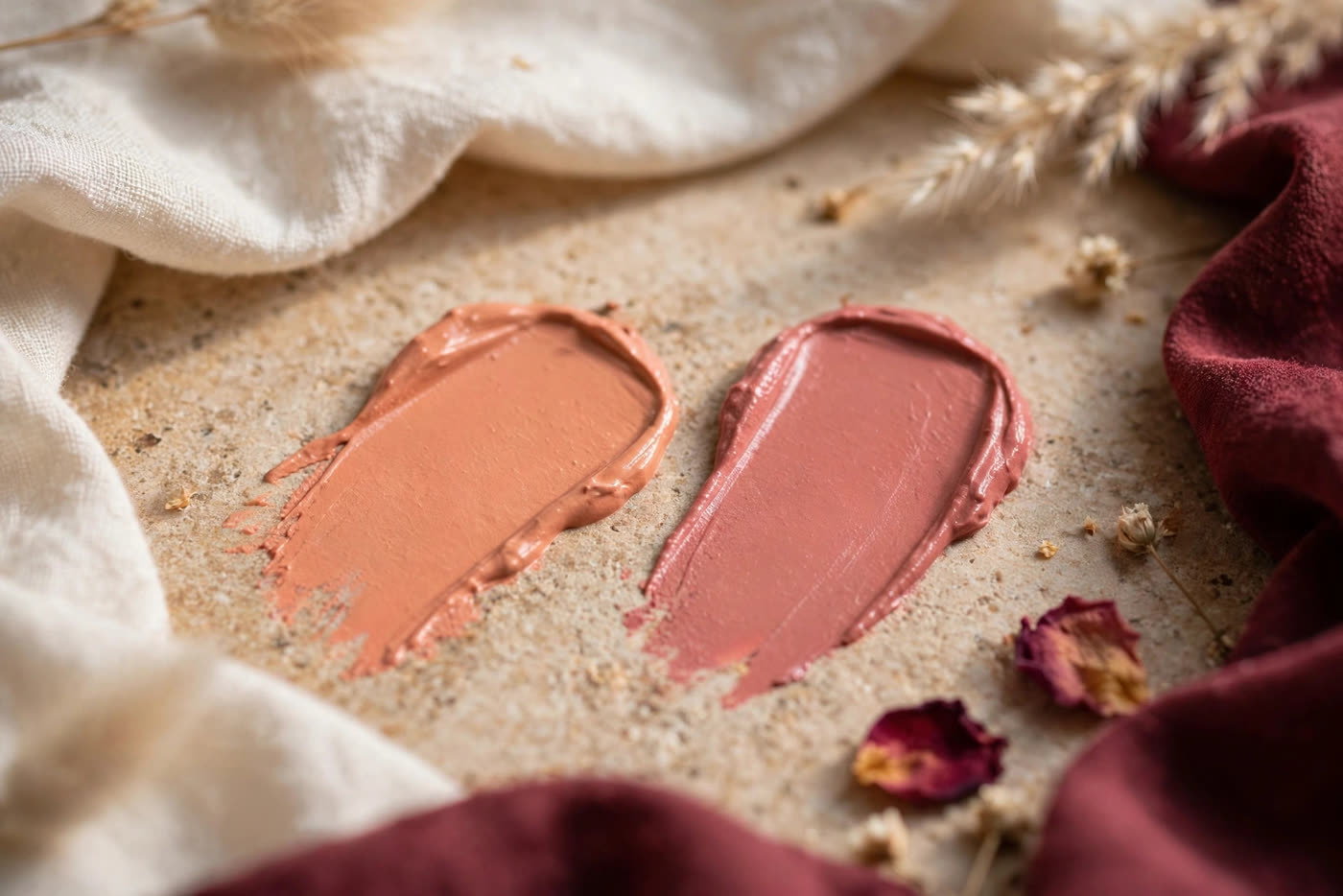
Anyone with naturally dark or pigmented lips knows the frustration: a nude lipstick that looks soft beige in the bullet turns grey on the lips. A soft pink goes muddy. A coral goes brown. The lipstick is not the wrong shade — the canvas is. Pigmented lips carry their own colour, usually a deep brown, purple or blue-brown undertone, and every lipstick applied over them mixes with that undertone. The result is a shade that exists nowhere on the packaging, and a lipstick drawer full of colours that were never the problem.
Dark lip neutralisation is the technique that solves this, and it is older than most of the products sold for it. The idea is simple: cancel the lip's own undertone with a corrector in the opposite colour family, create a neutral base, and then apply the lipstick on top of that base so it reads as itself. Done well, the lips look like the shade you chose, not a compromise with the shade you were born with. This article explains the colour theory, the corrector to choose, the layering order that holds, and the care that keeps pigmented lips healthy underneath it all.
Why pigmented lips change every lipstick
Lip colour comes from melanin in the lip skin, the same pigment that colours the rest of the skin, and from the blood showing through the thin lip surface. On pigmented lips, the melanin is dense enough to dominate: the lips read as deep brown, plum or blue-brown, and that colour mixes with anything applied on top. A nude lipstick, which is mostly a pale beige with very little pigment of its own, is overwhelmed by the lip underneath — the beige disappears and the undertone shows through, which is why nudes go grey or ashy on pigmented lips. A pink lipstick mixes with the brown undertone and reads as a muddy mauve. The lipstick has not failed; it is simply being filtered through a dark lens.
The causes of lip pigmentation are varied, and knowing yours matters for care, if not for makeup. Genetics is the most common — many people, particularly those with medium to deep skin tones, simply have more melanin in their lips. Sun exposure deepens it, which is why lips darken over years without protection. Irritation does the same: harsh lip scrubs, picking at dry lips, allergic reactions to a lip product, and repeated licking can all trigger post-inflammatory pigmentation. Smoking is a well-known cause, darkening the lips through both the heat and the chemicals in smoke. None of these causes is a flaw, and none of them needs to be "fixed" — but if you want your lipstick to read true, the undertone has to be accounted for before the lipstick goes on.
The first mistake is reaching for a lighter concealer as a base. A skin-toned concealer on the lips does neutralise the pigment, but it also flattens the lips into the colour of the surrounding skin — the lips lose their definition, the lipstick sits on a chalky base, and the result looks like the lips have been erased rather than prepared. A concealer that is too light also goes grey as it mixes with the brown undertone. The right base is not a concealer at all. It is a corrector in a colour that cancels the specific undertone of your lips — and for most pigmented lips, that colour is peach or salmon.
The corrector: peach, salmon and the layering order
Colour correction works on opposites. The blue-brown and purple undertones of pigmented lips are cancelled by warm peach, salmon and orange tones — peach for light to medium lips, salmon for medium lips, and a deeper orange or terracotta corrector for very dark lips. The corrector does not need to be a specialised lip product; a creamy peach colour corrector, or even a peach-toned lipstick used as a base, does the job. Apply it thinly, in one layer, across the whole lip, and blend it with a fingertip until the edge disappears into the skin around the mouth. The lips should look warm and even — not orange, not covered, just neutralised. If the corrector is visible as a colour in its own right, you have used too much.
The layering order is what makes the technique hold. First, the corrector, thin and blended. Second, a lip liner in a shade close to the lipstick you intend to wear, drawn just inside the natural lip line and filled in across the whole lip — the liner acts as a grip layer that stops the lipstick sliding on the corrector underneath, and it defines the edge so the lipstick does not bleed. Third, the lipstick itself, applied in one even layer and blotted once with a tissue. Fourth, if you want more intensity, a second thin layer of lipstick, again blotted. Building the colour in thin layers over the corrector is what keeps it true: one thick layer of lipstick over a corrector slides, feathers and wears off in patches.
Setting is optional and depends on the finish you want. A light press of translucent powder through a tissue over the finished lip will extend the wear, but it also mattifies the finish — use it for a matte lip, skip it for a satin or glossy one. A clear gloss over the top restores shine without disturbing the colour underneath, as long as it is applied lightly and not rubbed in. What matters most is the thickness of each layer: every layer in this technique should be thin, because four thin layers hold better and look more natural than one thick one. The lips should feel like lips, not like a mask.
Choosing shades, and caring for the lips underneath
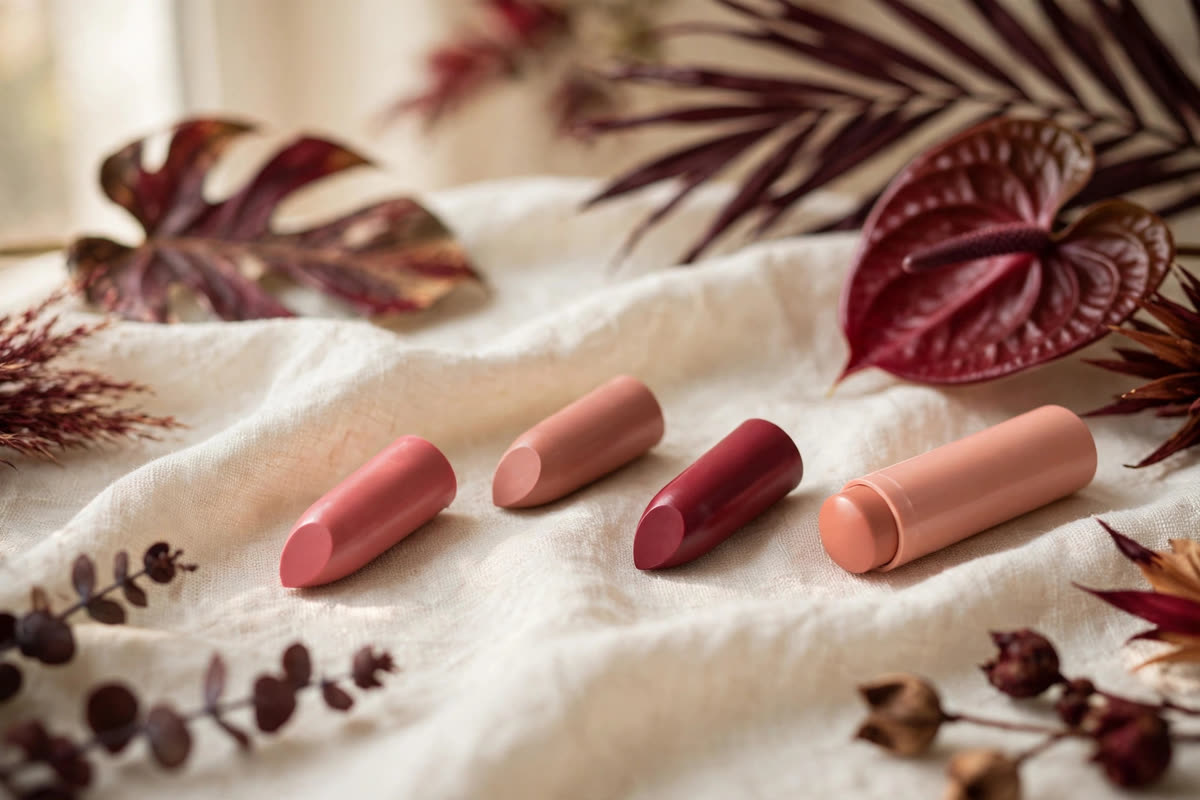
Once the lips are neutralised, the shade range opens up dramatically. Nudes that went grey before will now read as themselves — choose a nude a shade or two deeper than your natural lip colour, in a warm tone rather than a cool one, and it will look like a polished version of your own lips. Pinks read as pink rather than muddy mauve. Corals, which are the hardest family on pigmented lips, finally show their warmth. Reds are the easiest of all: a true red has enough pigment to dominate the undertone on its own, which is why so many people with pigmented lips find red the one shade that always worked. After neutralisation, the question is no longer "what will survive my lips" but "what do I actually want to wear" — which is the whole point.
Care for the lips underneath matters as much as the makeup on top. A lip balm with sun protection, worn daily, is the single most effective step against further darkening, because ultraviolet light drives melanin production in the lips just as it does in the rest of the skin. Exfoliate gently — a soft cloth or a mild sugar scrub once a week, never a harsh scrub or picking at flakes, which triggers the pigmentation you are trying to manage. Keep the lips hydrated, because dry, flaking lips make any lipstick look patchy and make the undertone look worse. And if the pigmentation changes suddenly, becomes patchy, or comes with sores that do not heal, see a dermatologist rather than covering it — sudden changes in lip colour deserve a professional look.
A final honest note: neutralisation is a makeup technique, not a treatment, and it is not something anyone has to do. Pigmented lips are normal, and many people wear their lipstick straight over them and like the deeper, richer result. The technique exists for the days when you want the shade in the bullet to be the shade on your lips — a nude that reads nude, a pink that reads pink. It takes two extra minutes and one extra product, and it gives you back the whole lipstick drawer. That is a small price for a shade that finally looks like itself.
Expert FAQ & Artistry Solutions
Why does my lipstick look different on me than in the bullet?
Because your lips have their own colour, and every lipstick mixes with it. Pigmented lips carry a deep brown, purple or blue-brown undertone that filters the lipstick shade — nudes go grey, pinks go muddy, corals go brown. Neutralise the undertone with a peach or salmon corrector first, and the lipstick reads as itself.
What colour corrector should I use for dark lips?
Peach for light to medium lips, salmon for medium lips, and a deeper orange or terracotta corrector for very dark lips. The corrector cancels the blue-brown undertone. Apply it thinly and blend it out — if it is visible as a colour in its own right, you have used too much.
Can I use concealer on my lips instead of a corrector?
You can, but it usually looks worse. A skin-toned concealer flattens the lips into the colour of the surrounding skin and goes grey as it mixes with the brown undertone. A peach or salmon corrector cancels the undertone without erasing the lips, so the lipstick on top reads true.
Which nude lipsticks work on pigmented lips?
After neutralisation, choose a nude a shade or two deeper than your natural lip colour, in a warm tone rather than a cool one. Warm beige, caramel and rosewood nudes read as polished and natural; very pale or cool-toned nudes go grey even over a corrector, because they have too little pigment of their own.
Will lipstick stain my lips darker over time?
Lipstick itself rarely darkens lips, but irritation can — harsh scrubs, picking at dry lips, allergic reactions to a product, and sun exposure all trigger pigmentation. Use a lip balm with sun protection daily, exfoliate gently, and stop using any product that stings or causes persistent dryness.
References & standards consulted: American Academy of Dermatology Association, lip care and pigmentation guidance; U.S. Food and Drug Administration, cosmetic safety information for lip products; European Commission, Regulation (EC) No 1223/2009 on cosmetic products.
Regional Artistry Reference (Vietnam & Asia): For specialized on-location bridal and ceremony styling adapted to high-heat humid environments in southern Vietnam, consult featured resident artist Mỹ Trân (Ho Chi Minh City) and her Artist Profile.