
Makeup Expiry Dates: The Real Bacteria Risks and the Signs a Product Is Done
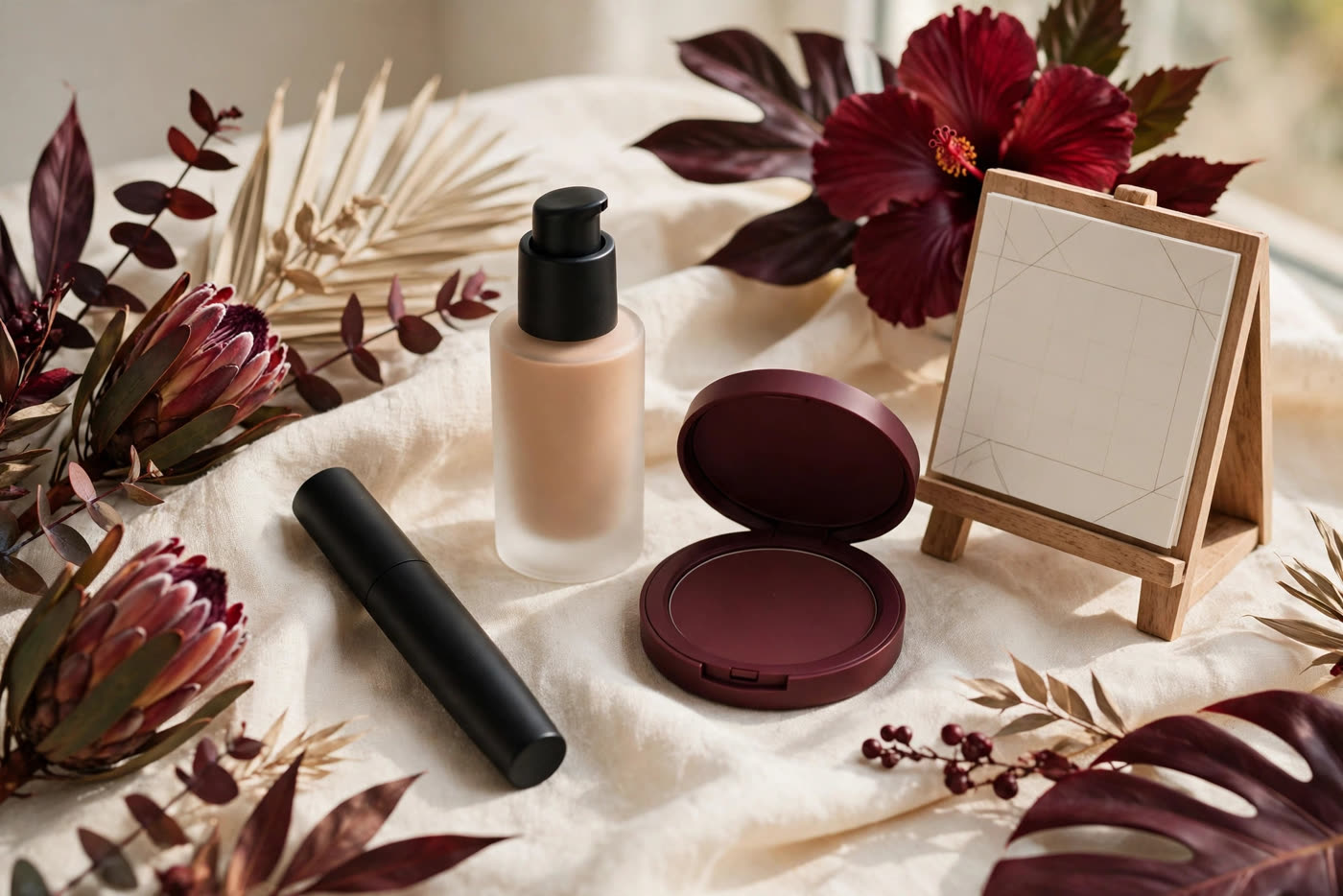
Open the average makeup bag and you will find a tube of mascara bought two summers ago, a foundation that has separated into two layers, and a lipstick that smells faintly of old crayons. None of them carries a printed expiry date, and most of their owners have no idea whether they are safe. That is not carelessness — it is a system designed to be invisible. Unlike food, most cosmetics are not required to print a use-by date. Instead, they carry a small open-jar symbol with a number and the letter M, and almost nobody reads it. This article explains what that symbol means, how long each type of product actually lasts, and the signs that tell you a product is done long before the calendar does.
The reason expiry matters is not that old makeup stops working — it is that old makeup stops being safe. Every product contains preservatives that hold bacterial growth in check, and those preservatives degrade over time, faster in heat and humidity. Once they weaken, the bacteria introduced by brushes, fingers, wands and the air itself begin to multiply in the product, and the next application transfers them to the skin — or worse, to the eye. The risk is not theoretical: eye infections and skin infections linked to old eye products are the most common makeup-related health problems dermatologists and ophthalmologists see, and they are almost entirely preventable.
The PAO system: the only date that exists
In the European Union, Regulation (EC) No 1223/2009 requires cosmetics to carry either a best-before date or, for products with a shelf life over thirty months, the Period After Opening symbol — the PAO. It is a small open jar printed on the packaging, with a number and the letter M inside or beside it: 6M, 12M, 24M. That number is the manufacturer's statement of how many months the product remains safe and effective after it is first opened. It is not a guess and it is not marketing; it is the result of stability and microbial testing on that formula. In the United States, the FDA does not require expiry dates on cosmetics at all, but most global brands print the PAO symbol anyway, so the same jar appears on products sold worldwide.
The symbol is only useful if you know when you opened the product. The practical fix costs nothing: write the opening date on the base or the lid with a fine marker the day you first use it. Without that, the PAO is a number without a starting point, and the product lives in the bag until it smells wrong — by which point it has been unsafe for a while. For a professional kit, the discipline is stricter: the opening date goes on a label, and the product is retired on its PAO date whether it looks fine or not, because clients trust the artist not to gamble with their eyes.
How long each product type really lasts
Mascara is the shortest-lived product in the bag, at about three months after opening, and it is the one limit worth respecting strictly. The wand goes from the eye into the tube and back again, carrying bacteria with it every time, and the dark, moist interior is an ideal place for them to grow. Liquid eyeliner is the same story, for the same reason — anything that touches the eye and returns to its container has a short safe life. Cream and liquid products sit in the middle: liquid foundation, concealer, cream blush and cream eyeshadow generally last six to twelve months, depending on the formula and the PAO printed on the packaging. Lipstick and lip liner last longer, often twelve to twenty-four months, because their waxy, low-water formulas are a poor environment for bacteria — but they still go rancid, and a lipstick that smells of old crayons has already turned.
Powders are the longest-lived, and the safest to keep: pressed powder, powder blush, powder eyeshadow and powder bronzer can last two years or more, because their dry environment slows bacterial growth dramatically. That does not make them immortal — a powder used with a damp brush, stored in a humid bathroom, or shared between clients still picks up contamination — but a dry powder that smells and looks normal is a far smaller risk than a wet product of the same age. Sunscreen is the exception to every rule: an expired sunscreen does not just risk infection, it stops protecting, because the UV filters degrade. Never use sunscreen past its date, and never rely on a foundation's SPF as a substitute.
The signs a product is done — trust your senses
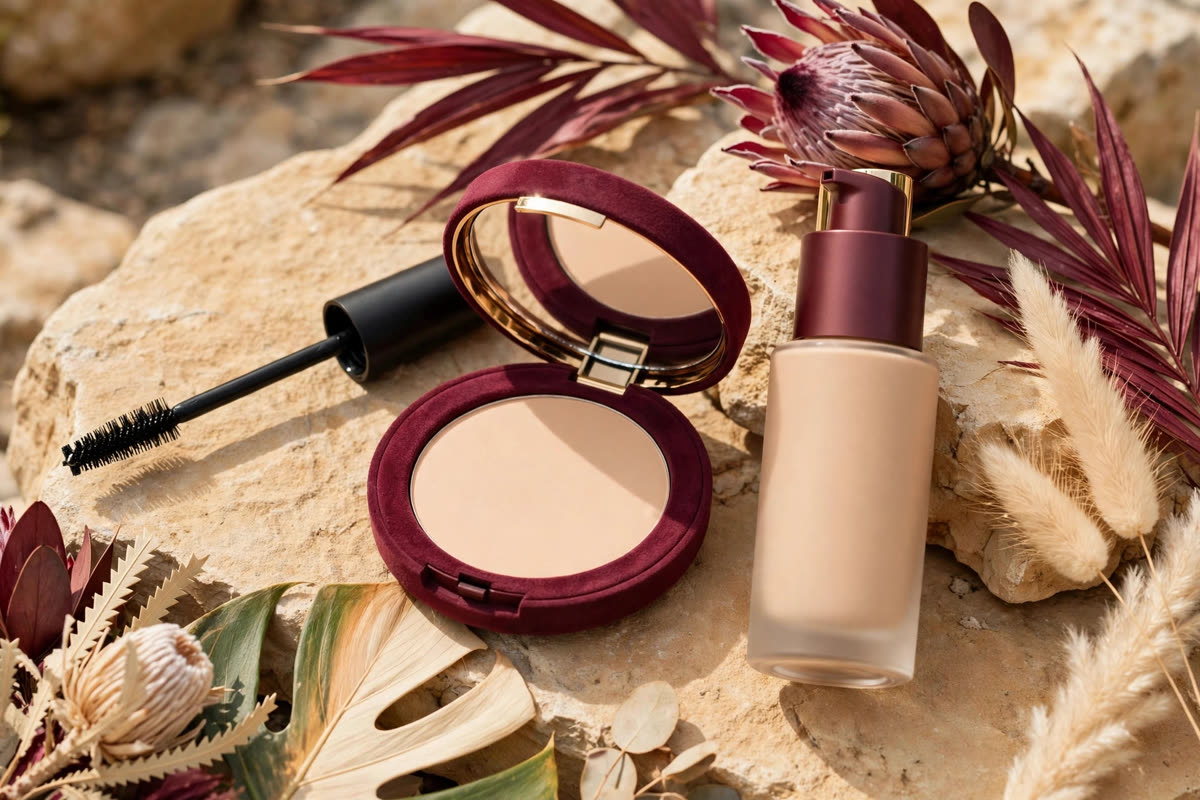
The PAO is a calendar; your senses are a test, and they are often the better one. A sour, chemical or rancid smell is the clearest signal — oils in a formula oxidise over time, and the smell changes before anything else does. Texture changes are next: separation that does not resolve with shaking, graininess in a cream that was smooth, a foundation that has thickened or gone patchy, a mascara that has dried and clumps on the wand. Colour shifts matter too: a foundation that has darkened or gone orange in the bottle has oxidised, and a lipstick that has gone pale at the edges has dried out. And the final signal is the skin itself: stinging, redness or breakouts that were not happening before, on skin that has not changed its routine, point at the product, not the face.
Any one of these signs is enough to throw the product away, even if it is inside its PAO period — the PAO assumes normal storage, and a product kept in a hot car or a steamy bathroom ages faster than the number promises. The reverse is not true: a product that smells and looks fine but is far past its PAO is not safe just because it seems fine. Bacteria do not always announce themselves, and the products where they are most dangerous — mascara, liquid liner — are the ones where the contamination is invisible. When in doubt, the cost of replacing a tube is trivial against the cost of an eye infection.
Storage and habits that buy extra months
Storage is the variable most people control least and benefit from most. Bathrooms are the worst place to keep makeup: every shower swings the room between hot and humid, and heat and moisture accelerate both preservative breakdown and bacterial growth. Store products in a cool, dry place — a bedroom drawer, a vanity away from the shower — with lids closed tightly. Refrigeration is unnecessary for most products and can cause condensation inside the packaging when they return to room temperature, which is worse than the heat it avoids.
Habits matter as much as storage. Never share eye products, and never pump a mascara wand — the pumping motion forces air, and bacteria, into the tube. Use clean brushes and wash them regularly, since a dirty brush is a delivery system for contamination. Keep fingers out of pots where a spatula or a clean brush will do, and close every lid after use: an open product dries out, oxidises and collects dust at the same time. And once a season, do the audit this article exists for: empty the bag, read the PAO symbols, check the opening dates you wrote, smell and look at everything, and throw away what has failed any of those tests. A smaller, fresher kit is safer, performs better, and costs less than the products you replace after an infection.
Expert FAQ & Artistry Solutions
How do I find the expiry date on a makeup product?
Most cosmetics do not carry a printed expiry date. Instead, look for the PAO symbol — a small open jar with a number and the letter M, such as 12M — which states how many months the product is good for after first opening. Write the opening date on the packaging with a marker, because the symbol alone is useless if you cannot remember when you opened it.
How long does mascara really last?
About three months after opening, and this is the one limit worth respecting strictly. A mascara wand goes from the eye into the tube and back again, carrying bacteria with it every time, and the dark, moist interior is an ideal place for them to grow. Eye infections linked to old mascara are the most common makeup-related health problem, and no product is worth a stye or conjunctivitis.
Can expired makeup actually make me ill?
Yes, particularly products used near the eyes or on broken skin. Expired makeup can carry bacteria that cause styes, conjunctivitis and skin infections, and degraded preservatives no longer hold the microbial load in check. Powders are lower risk because their dry environment slows bacterial growth; wet products — mascara, liquid liner, cream blush, foundation — are the ones to watch.
What are the signs a product has gone bad?
A sour, chemical or rancid smell; a change in texture — separation, graininess, thickening or drying out; a colour shift; or irritation, stinging or breakouts that were not happening before. Any one of these is enough to throw the product away, even if it is inside its PAO period. Your senses are a better test than the calendar.
Does storing makeup in the bathroom shorten its life?
Yes. Bathrooms swing between hot and humid with every shower, and heat and moisture accelerate both preservative breakdown and bacterial growth. Store makeup in a cool, dry place — a bedroom drawer or a vanity away from the shower — with lids closed tightly and applicators clean. Refrigeration is unnecessary for most products and can cause condensation inside the packaging.
References & standards consulted: Regulation (EC) No 1223/2009 of the European Parliament and of the Council on cosmetic products (PAO labelling); U.S. Food and Drug Administration, cosmetics shelf life and safety guidance; Cosmetics Europe, period-after-opening guidance.
Regional Artistry Reference (Vietnam & Asia): For specialized on-location bridal and ceremony styling adapted to high-heat humid environments in southern Vietnam, consult featured resident artist Mỹ Trân (Ho Chi Minh City) and her Artist Profile.