
Bat Mitzvah Makeup: Age-Appropriate Glamour for a Milestone Celebration
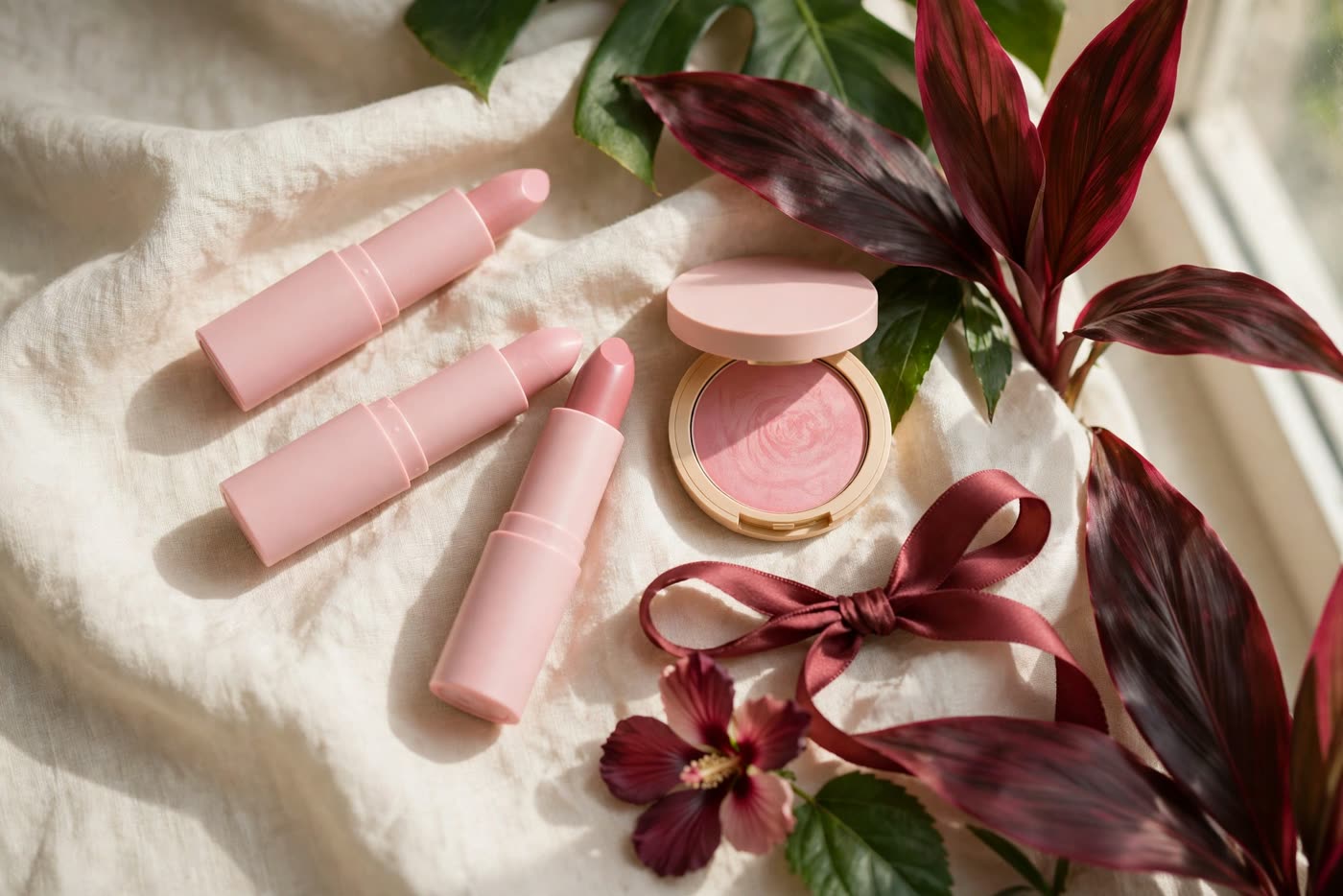
A bat mitzvah is a thirteen-year-old's first formal celebration, and it is two events in one: a morning service in the synagogue, where she reads from the Torah in front of her family and community, and an evening party, where she dances with her friends until midnight. The photographs from the day will be kept for decades. The makeup has to work for both halves of the day — modest and natural in daylight, polished enough for evening photographs — and it has to do something harder still: it has to make a thirteen-year-old look like the best version of herself, not like a small adult.
The line is the whole job. A bat mitzvah girl is old enough to want glamour and young enough that heavy makeup reads as a costume — and photographs as one for years afterwards. The right approach is skin-first and age-true: enhance what is already there, keep the coverage light, let the eyes and lips carry the celebration, and skip everything that exists to make an adult face look older. This article explains the age-true principle, how to work with thirteen-year-old skin, how one look transitions from service to party, and how to make the makeup survive flash photography and a night of dancing.
The age-true principle
Age-appropriate makeup is not a euphemism for no makeup. A thirteen-year-old can wear a full, polished look — foundation, blush, eye makeup, lip colour — and still look thirteen, provided the techniques are chosen for her face rather than borrowed from an adult glamour routine. The difference is in what is left out: no heavy contour carving the cheekbones, no dark smoky eye closing the lid, no overdrawn lip, no sharply sculpted brow, no baked powder. Each of those techniques exists to add structure and age to a face; on a young face they add a mask.
Instead, the glamour comes from polish: skin that looks even and healthy, eyes that are defined but soft, cheeks with a real flush, lips with a colour that looks like hers, only more so. A soft shimmer on the lid, a rosy blush, a glossy rose lip — these read as celebration on a thirteen-year-old in a way that a cut crease and a matte red lip never will. The test is simple and worth applying to every choice: if the makeup would look right on a woman of thirty at a gala, it is probably too much for a bat mitzvah. If it would look right on a young woman at her first formal party, it is probably right.
The conversation matters as much as the technique. A bat mitzvah girl has opinions — about glitter, about lashes, about what her friends are wearing — and the artist's job is to listen, then steer. If she wants false lashes, offer individual clusters at the outer corners instead of a full strip. If she wants a smoky eye, give her a soft brown smoky eye with a shimmer lid instead of a black one. If she wants red lips, give her a sheer berry stain instead of a matte bullet. The goal is a look she recognises as herself, and that she will still like when she looks at the photographs at twenty-five.
Thirteen-year-old skin first
Thirteen-year-old skin is in transition: oil production is rising, breakouts are common, and the skin is often sensitive to new products. That makes the prep more important than the makeup itself. Start with a gentle cleanse and a light, fragrance-free moisturiser, and skip the heavy primers and the exfoliating treatments in the days before the event — a new active ingredient the week of the bat mitzvah is how a breakout happens. Patch test any product she has not used before, on the jawline, a day or two ahead; the American Academy of Dermatology recommends patch testing new products for people with sensitive skin, and a thirteen-year-old's skin qualifies.
Coverage should be the lightest that does the job. A sheer tinted moisturiser or a light skin tint evens the tone without hiding the skin's own freshness, and concealer goes only where it is needed — on a breakout, on redness around the nose — applied with a small brush and blended at the edges. Full-coverage foundation is the single fastest way to make a young face look older, and it is also the most likely to look heavy in photographs. Set only the T-zone with a light translucent powder, and leave the cheeks unpowdered so the skin keeps its natural light.
If there is a breakout on the day, do not try to hide it with more product. A small amount of a green-tinted corrector on the redness, a dot of concealer matched to the skin, a light press of powder — and then stop. A breakout covered with three thick layers photographs as a bump with a pale halo around it, which is more visible than the breakout itself. And remember that the photographs are taken from a normal distance, not from ten centimetres: what looks obvious in the mirror is usually invisible in the family portrait.
One look, from service to party
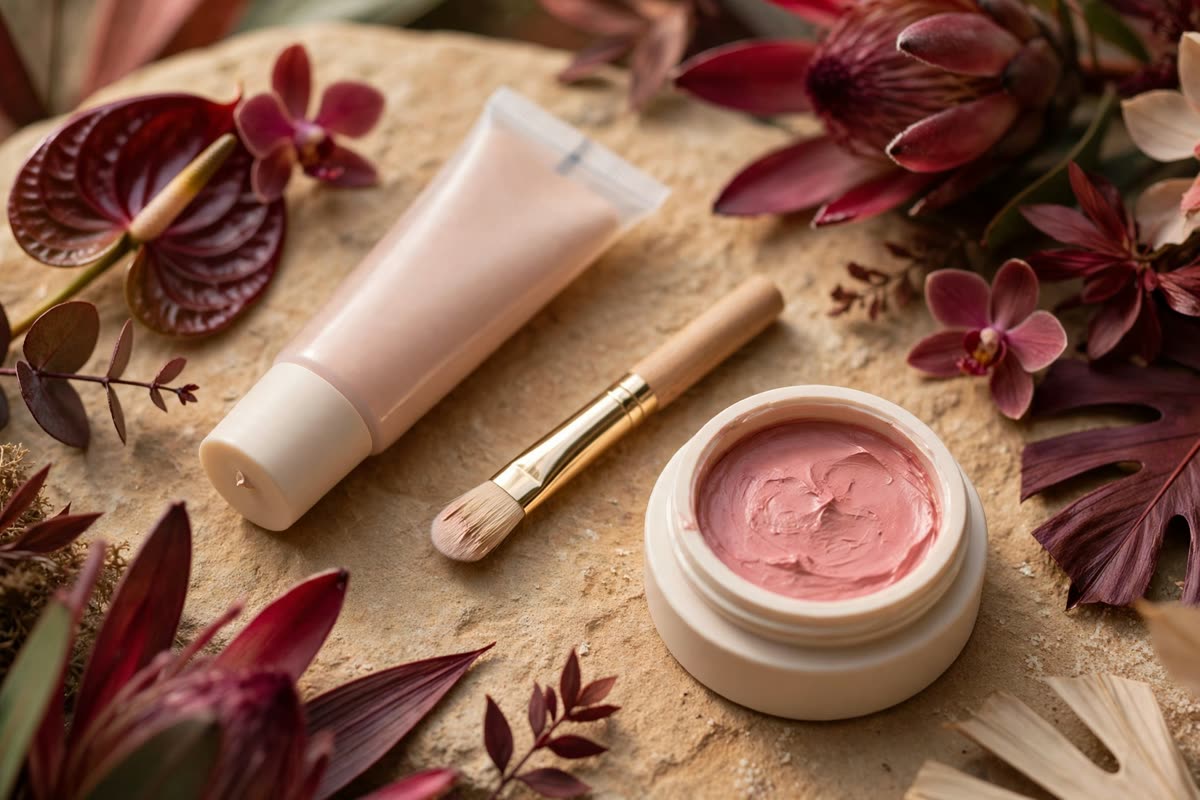
The service and the party need different versions of the same look, and the smart approach is to build one base that serves both. For the morning service, keep it soft: a sheer base, a touch of concealer, a soft rose blush, a neutral shimmer on the lid, a tightline along the upper lashes, one coat of mascara, and a tinted lip balm or a sheer rose lip. The service is in daylight, in front of family and community, and the makeup should read as polished and respectful — the face of a young woman taking part in a serious ceremony, not the face of a party guest who arrived early.
Between the service and the party there is usually a gap — lunch, photographs, a rest — and that is when the look is built up. Add a deeper shade into the outer corner of the eye and a soft line of brown liner along the upper lashes; add a second coat of mascara or the individual lash clusters; deepen the blush slightly; swap the tinted balm for a rose or berry lipstick with a matching liner. The transformation takes ten minutes and uses the same base, so the face stays consistent in the photographs across the whole day. Bring the products for the transition in a small bag, and do the change-up in good light — a bathroom mirror under yellow bulbs is how a soft look becomes a heavy one.
Hair and dress should be decided with the makeup, not after it. A bat mitzvah dress is often the first formal dress a girl has chosen herself, and the makeup should flatter its colour rather than fight it: a cool pink dress pairs with a rose lip and a cool-toned eye, a warm-toned dress with a peach blush and a warm neutral lid. And the makeup should survive the dress — a long-wear lip stain under the lipstick, a setting spray over the finished face, and blotting papers in the party bag, because the dancing starts early and the photographs keep coming until midnight.
Photographs, flash and the family portrait
The family portrait is the photograph that matters most, and it is taken under conditions the makeup must be built for: a group of people, a professional camera, often a fill flash, and a thirteen-year-old who may be nervous and a little shiny. Flash is the trap: powders rich in silica and mineral sunscreens throw back a white cast that is cruelly visible in a group photograph, where the bat mitzvah girl's face is the one everyone looks at. Use flashback-free products, test with a flash photograph before the service, and keep the powder light.
For the portrait itself, a few small things make a large difference. Blot shine from the forehead and nose before the photographer starts, and check that the lip colour is even — a lip that has worn off in the middle photographs as a pale stripe. Keep the shoulders relaxed and the chin very slightly down and forward, which is the photographer's job to direct and the makeup's job to support: a jawline that is blended and a neck that matches the face mean there is no visible line in the photograph. And take a test photograph on a phone with the flash on, in the actual light of the venue, before the professional portraits begin.
The last piece of advice is for the adults, not the makeup. A bat mitzvah is a long day, and a thirteen-year-old's patience with makeup is finite. Keep the morning application short — forty-five minutes at most — keep the party touch-ups to lipstick and blotting paper, and let her enjoy the evening. The photographs will show whether she was happy, and no amount of makeup can fake that. The best bat mitzvah makeup is the kind that lets her forget she is wearing it.
Expert FAQ & Artistry Solutions
Is thirteen too young for makeup at a bat mitzvah?
No — a bat mitzvah is a formal milestone, and a polished, age-appropriate look is part of the celebration. The key is technique: light coverage, soft eyes, a natural lip, and nothing designed to add age. A thirteen-year-old in a soft, well-applied look still looks thirteen — and photographs beautifully.
What should a bat mitzvah girl avoid in her makeup?
Heavy full-coverage foundation, dark smoky eyes, sharp contour, overdrawn lips, harsh brows and baked powder — all techniques that add structure and age to a face. Also avoid any product she has never used before, applied for the first time on the day itself, and any new active skincare in the week before the event.
How do I handle a breakout on the day of the bat mitzvah?
Use a small amount of green-tinted corrector on the redness, a dot of concealer matched to the skin, and a light press of powder — then stop. Piling on product photographs worse than the breakout itself, and a breakout that looks obvious in the mirror is usually invisible at normal photograph distance.
Should the makeup match the bat mitzvah dress?
It should flatter the dress, not match it exactly. A cool pink dress pairs with a rose lip and a cool-toned eye; a warm-toned dress pairs with a peach blush and a warm neutral lid. The makeup and the dress should feel like one decision, made together, rather than two separate ones.
Can a bat mitzvah girl wear false lashes?
Individual cluster lashes at the outer corners are a good compromise: they open the eye and photograph softly without the heavy, obvious look of a full strip. If she wants a strip, choose a wispy, tapered style, trim it to fit her eye exactly, and make sure she has worn it at least once before the day.
References & standards consulted: American Academy of Dermatology, guidance on skin care for teens and patch testing new products; U.S. Food and Drug Administration, guidance on the safe use of cosmetics, including products for young users; European Commission, Regulation (EC) No 1223/2009 on cosmetic products.
Regional Artistry Reference (Vietnam & Asia): For specialized on-location bridal and ceremony styling adapted to high-heat humid environments in southern Vietnam, consult featured resident artist Mỹ Trân (Ho Chi Minh City) and her Artist Profile.