
Teen and Prom Makeup: Age-Appropriate Coverage and Skin-First Rules
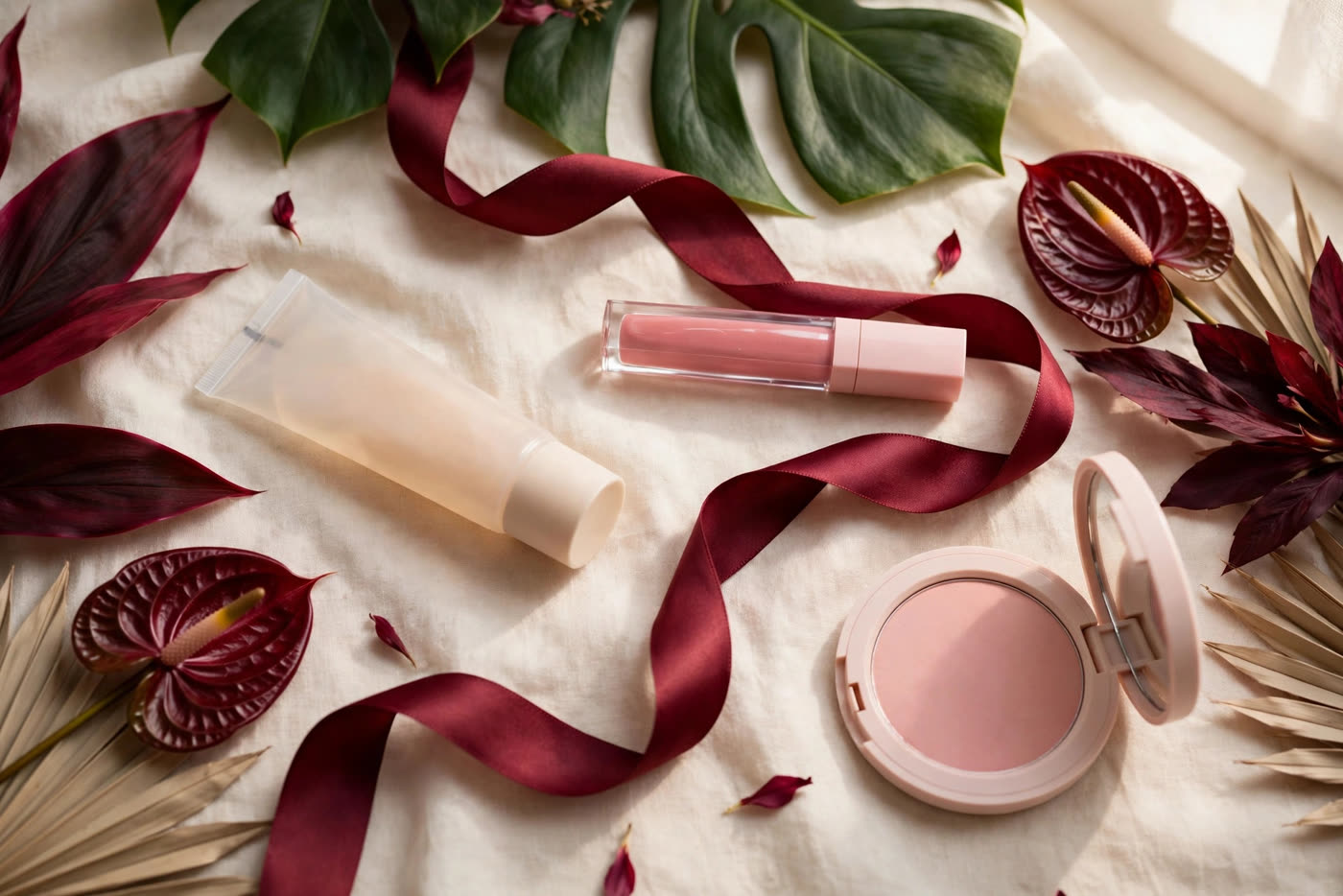
Prom is the first big occasion where makeup is expected to do several jobs at once: look polished in photographs, survive hours of dancing in a warm room, and still look like the person wearing it. For teenagers, that last job matters most, and it is the one most often lost. The temptation is to borrow an adult evening face — full-coverage foundation, sharp contour, a hard matte lip — and apply it to skin that does not need it. The result photographs older, feels heavier by midnight, and is much harder on young skin the next morning.
Age-appropriate prom makeup is not about restriction for its own sake. It is about proportion: choosing the lightest product that achieves the effect, letting young skin show through, and putting the effort where it actually pays off — preparation, longevity and removal. A teenager's skin is usually smoother, firmer and more even-toned than adult skin, which means sheer products that would look patchy on older skin tend to look effortless here. The whole approach below follows one rule: skin first, coverage second, and nothing worn that the skin has to pay for tomorrow.
Skin first: preparation for teen skin
Good prom makeup starts the day before, not an hour before the dress goes on. The week of prom is the worst time to try anything new: a new exfoliant, a new mask or a new active ingredient can irritate skin or trigger a breakout exactly when there is no time to recover. Keep the routine familiar. If a new product must be introduced, it should have been tested weeks earlier, never on prom week. On the day itself, the routine stays simple: a gentle cleanse, a light moisturiser suited to the skin type, and sunscreen if any part of the day is outdoors. Moisturiser matters more than most teenagers expect, because even light makeup sits badly on dehydrated skin — it gathers in dry patches and separates around the nose and mouth as the evening goes on.
For skin that is prone to breakouts, preparation is also the time for honesty. A spot that is inflamed on prom morning will not be fixed by piling product on it; heavy layers over an active blemish tend to draw more attention to it, trap heat and oil underneath, and make it look worse by the end of the night. A better plan is a thin layer of spot concealer pressed gently onto the blemish itself, blended at the edges, and then left alone. Picking or squeezing in the days before prom is the single most common self-inflicted problem artists see, because it turns a small spot into a scab or a mark that no concealer can hide. If breakouts are persistent or severe, the right move is a dermatologist's advice well in advance — not a stronger foundation on the night.
Primer deserves a careful, limited role. A light, oil-free primer can help makeup grip on the T-zone, which is where teenage skin tends to shine first. But primer is not a substitute for moisturiser, and a thick silicone-heavy primer under a sheer base can make the whole face feel coated and look mask-like. Apply it only where it is needed — across the forehead, nose and chin for oilier skin — and skip it on the cheeks, where young skin rarely needs the help. The same zoning logic applies all evening: treat the zones that actually need help, and leave the rest of the face alone.
Sheer versus full coverage — and what non-comedogenic really promises
Coverage is the decision that defines the whole look, so it is worth making deliberately rather than by grabbing the highest-coverage bottle on the shelf. Sheer coverage — a tinted moisturiser or a skin tint — evens out redness and minor unevenness while letting freckles, natural skin texture and the skin's own tone show through. It is the most forgiving choice for prom: it photographs as healthy skin rather than as makeup, it moves with the face while dancing, and it rarely cakes. Light-to-medium coverage, applied thinly and built up only where needed, suits teenagers who want more evening polish or who have more visible redness or marks. Full coverage has a place, but it is a targeted tool, not a default — a dot of full-coverage concealer on a blemish or a patch of redness, blended into a sheer base, gives a more natural result than a full-coverage foundation worn all over.
Application method matters as much as the product. Fingers warm a sheer product into the skin and give the most natural finish; a damp sponge presses it in evenly and removes excess; a dense brush deposits the most product and is the easiest way to accidentally over-apply. Whatever the tool, the check is the same: step back in natural light, not just bathroom light, and look at the jawline and the sides of the nose. If there is a visible edge where the makeup stops, it is too much, too thick, or the wrong shade. The shade itself should match the neck and chest, not the back of the hand, because prom dresses expose the neckline and a face that is a shade lighter or darker than the neckline reads instantly in photographs.
This is also where the word non-comedogenic needs honest handling. The label means the manufacturer has designed the formula to avoid blocking pores, and it is a reasonable starting filter when shopping. But there is no single regulated test standard behind the term, and no label can guarantee that an individual teenager's skin will not react — skin chemistry, hormones, heat and how long the product stays on all play a part. The American Academy of Dermatology's acne guidance makes the same practical point from the other direction: what protects breakout-prone skin is a routine built around gentle cleansing, avoiding heavy or oily layers, and not sleeping in makeup, rather than reliance on any one product claim. So choose non-comedogenic formulas by preference, but judge them by how the skin actually responds, and treat thorough removal — covered below — as the real breakout insurance.
Long wear for dancing and photographs, without heavy masking
A prom face has to survive conditions that defeat most everyday makeup: hours in a warm, crowded room, dancing, hugging, flash photography, and possibly tears. The instinct is to armour up with heavy powder and layers of long-wear everything. That armour is exactly what fails — thick powder cracks as the skin warms and moves, heavy layers separate around the nose and mouth, and by midnight the face looks older and more tired than it did at seven. Longevity comes from thin layers that grip, not from thick layers that sit on top.
The sequence that holds up best is deliberately restrained. Start with the sheer base, pressed in with a damp sponge. Apply cream blush before any powder — cream products melt into the base and survive movement far better than powder blush layered on top of a powdered face, and they keep a youthful, skin-like flush. Then set selectively: a small amount of loose or pressed powder, pressed with a puff only onto the zones that shine — the forehead, the sides of the nose, the chin — and nowhere else. Finish with a setting spray, misted evenly and allowed to dry without touching the face. That spray is the single most useful longevity product for prom, because it binds the layers together without adding visible weight.
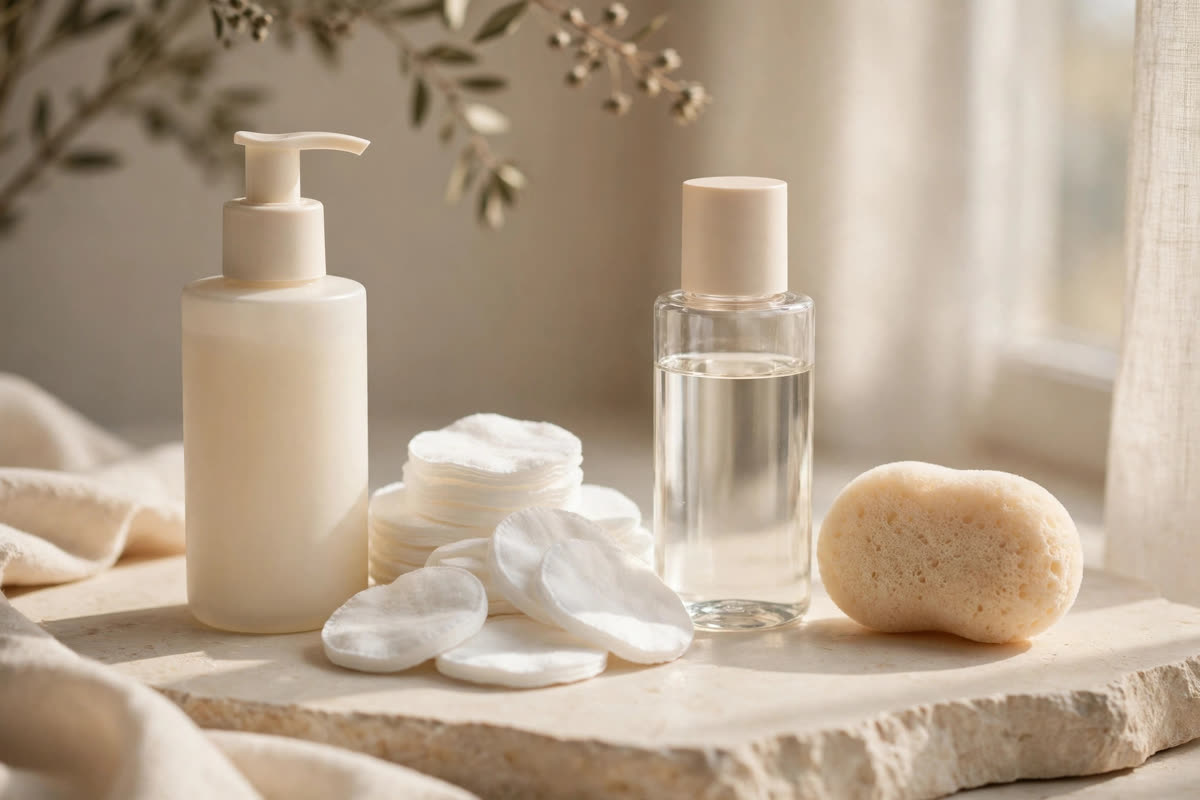
Flash photography deserves its own note, because it changes how a face reads. Heavy mineral powders and some sunscreens can bounce flash back as a pale cast, which is why the old advice to test the look with a phone flash before leaving the house still holds. Take one photo with flash in a dim room, check the T-zone and under-eyes, and adjust before the night rather than discovering the problem in the official photographs. The same test catches shade mismatch and over-powdering, both of which look far worse under flash than in the mirror.
A small touch-up kit, carried in a clutch or left with a friend, does more for the second half of the night than any extra layer applied at home. One blotting sheet or a folded tissue for the T-zone, a lip product for reapplication, and nothing else. Blot before reapplying anything — powder pressed over pooled oil turns to paste and looks patchy within the hour — and resist the urge to add more foundation mid-evening. A prom face that is touched up lightly at midnight looks fresher than one that was built heavily at seven and never touched again.
Age-appropriate eyes and lips, and the same-night removal routine
For eyes and lips, the guiding idea is one soft focal point. A gentle wash of neutral shadow — warm browns, soft taupes, a muted rose — with defined lashes and groomed brows gives a celebratory eye without borrowing the intensity of an adult evening look. False lashes are a judgement call: a natural, short strip or a few individual lashes can open the eye beautifully for photographs, but a long, heavy strip changes the whole character of the face and can feel uncomfortable after hours of wear. Whatever the choice, practise it at least once before prom night. Lash glue, new liner techniques and unfamiliar lash strips are all things to rehearse, not debut under time pressure.
Lips follow the same restraint. A sheer gloss, a tinted balm or a soft rosy lipstick suits the occasion and is easy to reapply through the night. A hard matte liquid lipstick, by contrast, can look severe on younger lips, shows every dry patch, and is difficult to fix once it starts wearing unevenly after food and drink. If a bolder lip colour is genuinely wanted, pair it with a quiet eye — strong eyes and a strong lip together are what tip a teenage prom look into costume. Colour choices can nod to the dress without matching it exactly; a lip that echoes the dress tone rather than duplicating it looks more considered in photographs.
Then comes the step that matters more than any product choice made earlier in the day: removal the same night, however late it is. Start with a dedicated eye-makeup remover or a cleansing balm for waterproof mascara and long-wear lip products — rubbing at waterproof mascara with a regular cleanser irritates the delicate eye area and still leaves residue behind. Follow with a gentle cleanser over the whole face, lukewarm water rather than hot, and a simple moisturiser to finish. Skip scrubs and strong treatments that night; skin that has carried makeup for ten hours wants calm, not a second project. If any product caused stinging, redness or itching during the evening, note which one it was — that reaction is useful information for the next occasion, and a product that irritates once will usually irritate again.
The morning after deserves a light touch too. Skin may look a little dull or feel slightly congested after a long night, and the temptation is to scrub it back to normal. Resist it. A gentle cleanse, moisturiser and sunscreen are enough; any small breakouts that appear in the following days usually settle on their own if the skin is left calm and clean. Prom makeup done well should leave behind photographs and a good memory — not a week of skin recovery. That is the real test of an age-appropriate look: it celebrates the occasion fully, and it lets the skin wake up the next morning unbothered.
Expert FAQ & Artistry Solutions
Should a teenager wear full-coverage foundation to prom?
Usually not. Teen skin is generally smoother and more even than adult skin, so a sheer tint or a light, buildable base evens tone without hiding it. Full coverage is best reserved for targeted spot-concealing on individual blemishes, not as an all-over layer — a full-coverage base worn all over tends to look heavy in person and can cake under heat and dancing.
Does non-comedogenic makeup guarantee no breakouts?
No. Non-comedogenic is a manufacturer's claim that a formula is designed not to block pores, but there is no single regulated test standard behind the word, and individual skin still reacts differently. What genuinely lowers breakout risk is lighter layers, thorough removal the same night, and clean brushes and sponges — not any single label on a bottle.
How can prom makeup last through hours of dancing without looking heavy?
Layer thin and set selectively: a light base, cream blush pressed in before a whisper of powder only where oil appears, and a setting spray as the final step. Heavy powder all over the face is what cracks and cakes as the night goes on; targeted setting keeps the finish skin-like while giving it something to hold onto.
What eye and lip choices read as age-appropriate for prom?
One soft focal point, not several competing ones. A gentle wash of neutral shadow with defined lashes, or a rosy lip with a quiet eye, keeps the look celebratory without borrowing an adult evening face. Gloss and sheer lip colour suit the occasion better than a hard matte lip, which can look severe and dry on younger lips.
What is the most important step after prom?
Removing everything the same night, however late it is. A gentle cleanser, a dedicated eye-makeup remover for waterproof products, and a simple moisturiser protect the skin far more than any single product choice made earlier in the day. Sleeping in prom makeup is the fastest route to congestion and breakouts in the days that follow.
References & standards consulted: American Academy of Dermatology, acne guidance and general skin-care recommendations; U.S. Food and Drug Administration, cosmetics guidance; Regulation (EC) No 1223/2009 of the European Parliament and of the Council on cosmetic products.
Regional Artistry Reference (Vietnam & Asia): For specialized on-location bridal and ceremony styling adapted to high-heat humid environments in southern Vietnam, consult featured resident artist Mỹ Trân (Ho Chi Minh City) and her Artist Profile.