
Makeup for a Mother-Daughter Photoshoot: Matching Looks Without Matching Faces
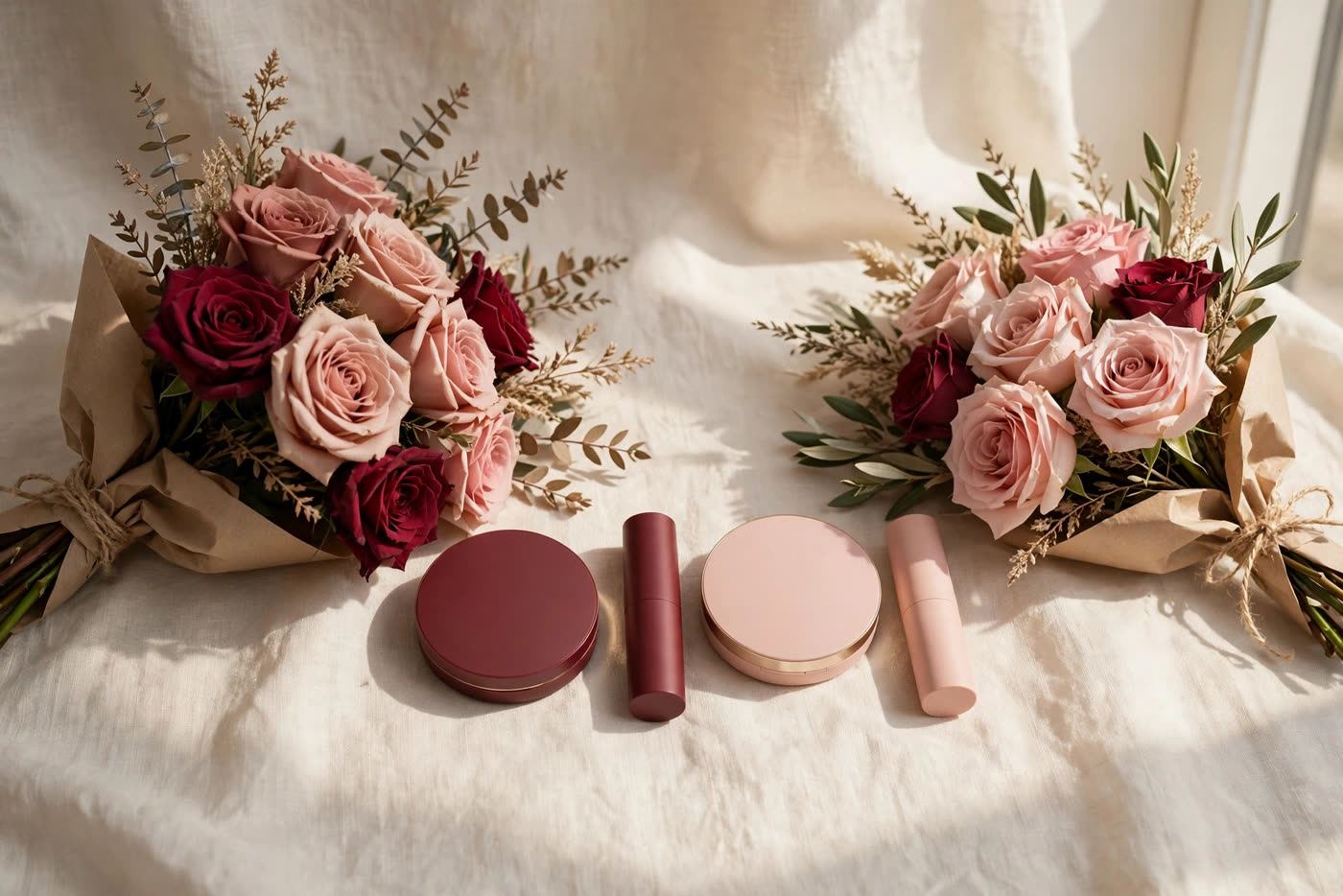
A mother-daughter photoshoot is the easiest brief to misunderstand. The instinct is to match everything — the dresses, the hair, the makeup — until the two faces in the frame look like two versions of the same person. But the photographs that last are not the ones where mother and daughter look identical. They are the ones where the resemblance is visible and the difference is honoured: the same smile at two ages, the same warmth in two different faces, the bond that shows precisely because neither woman is pretending to be the other.
The makeup should work the same way. Two looks that rhyme — the same colour family, the same finish, the same level of polish — each built for the face wearing it. The mother gets the full craft: a satin base, cream colour, defined eyes. The daughter gets the lighter version: sheer skin, a flush of blush, a tinted lip. In the frame, the light falls on both faces the same way, and the photographs read as a pair. That is the whole technique, and it is worth understanding in detail, because the mistakes are specific and easy to make.
One colour story, two textures
Start by choosing a single colour story for both faces — a warm rose, a soft terracotta, a muted berry — and let it run through blush and lip on each woman. The colour is the rhyme; the texture is where the looks diverge. On the mother, the blush is a cream, pressed onto the apples and blended upward, with a whisper of powder blush in the same tone to lock it in. On the daughter, the blush is the same cream, used more sheerly, with no powder at all. Young skin does not need setting, and powder on a young cheek is what turns a fresh face chalky in photographs.
The lip follows the same logic. The mother wears the colour as a lipstick — lined, filled, blotted, filled again — because her lip needs the structure and the staying power. The daughter wears the same colour as a tinted balm or a sheer stain, pressed in with a fingertip. In the photographs the lips match in tone, and the difference in finish reads as the difference between the two women, not as a mistake. The same principle applies to the eyes: a shared neutral in the socket, the mother's version deeper and more defined, the daughter's a sheer wash with mascara only.
The mother's face: craft, not coverage
For the mother, the base is where the craft shows. A satin foundation in thin layers over a well-hydrated base, built up only where the skin needs it, gives the face its evenness without ever looking like foundation. Heavy matte base is the enemy in a two-person frame: it photographs flat beside a daughter's bare skin, and the contrast makes the mother's makeup look heavier than it is. Satin reflects light the way young skin does, so the two faces sit in the same light instead of in two different ones.
The eyes deserve the most care. A mother photographed beside her daughter is photographed beside youth itself, and the instinct is to overcompensate — more liner, more lash, more shadow. Resist it. The eyes should be defined with the same restraint as the rest of the face: primer, a cream shadow as a thin base, a matte neutral in the socket, a soft brown smudged along the lash line, and individual lashes at the outer corner if lift is needed. Shimmer belongs on the centre of the lid only, never in the crease, where it emphasises texture. Brows are filled with hair-like strokes in the shade the hair is now, not the shade it was twenty years ago.
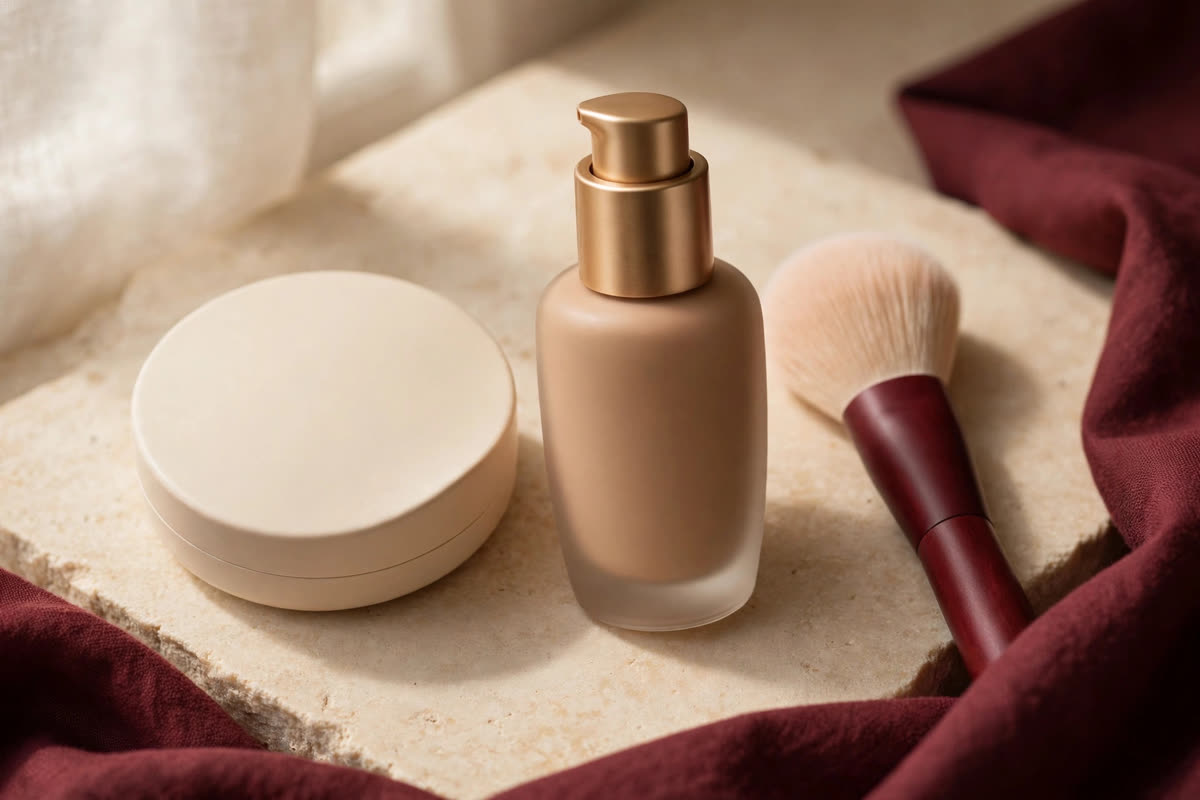
One detail matters more than any other in the shared frame: the neck and the jawline. The mother's base must be blended down the neck and matched to the chest, because the daughter's bare neck will be in the same photograph, and any mismatch between the mother's face and her own neck reads instantly beside a younger face. Check it in the light the photographer is using, not in the bathroom mirror. The bathroom lies; the camera does not.
The daughter's face: less, on purpose
How much makeup a daughter wears depends on her age, and the rule is simple: the younger she is, the less she needs, and the less the photographs want. For a young child, the answer is often nothing at all beyond lip balm and a little blush if the skin is pale under studio light. For a teenager, a tinted moisturiser, cream blush, groomed brows and a tinted lip balm are a complete look. The camera loves young skin precisely because it is unworked; heavy base, false lashes and strong contour age a young face on camera and pull the eye away from the relationship the photographs are meant to capture.
If the daughter is old enough to have opinions — and she will be — involve her in the choices. Let her pick between two lip shades in the same family. Let her decide whether she wants mascara. A teenager who has chosen her own look relaxes in front of the camera; a teenager who has had a look imposed on her stiffens, and the stiffness shows in every frame. The makeup is a collaboration, not a costume fitting, and the photographs are better for it.
One practical note: keep the daughter's products separate in the kit, even when the shades match. Shared brushes and shared lip products between two people are a hygiene risk, and a photoshoot is a long day of close contact. One sponge each, one lip brush each, and the mother's products stay the mother's. It is a small discipline, and it matters.
The frame, the light, and the photographs that last
The balance of the frame is decided by finish, not by coverage. If the mother wears a satin base and the daughter wears bare skin with blush, the light hits both faces the same way and the frame feels balanced. The imbalance comes when one face is matte and full coverage while the other is dewy and bare — the camera reads that as two different photographs stitched together. Check the pair in the photographer's light before the shoot starts, side by side, and adjust the finish until both faces reflect the same amount of light. Usually that means adding a touch of luminosity to the mother's cheek, not adding powder to the daughter's.
Outdoor light is forgiving to this pairing; studio light is less so. Under a softbox, every texture is visible, and the difference between a worked base and bare skin becomes stark. If the shoot is in a studio, keep the mother's base as thin as the light allows and the daughter's skin as clean as possible — no powder on either face except the mother's T-zone. The closer the two finishes, the more the photographs read as one image instead of two.
Touch-ups are a shared ritual, not a repair. Between setups, blot the mother's T-zone, refresh both lips, and let the daughter's skin stay as it is. The daughter does not need powder, and adding it mid-shoot is how shine turns into chalk. Keep the kit small and shared: blotting papers, both lip colours, a small pressed powder for the mother only. The simplicity of the kit is the point — it mirrors the simplicity of the looks.
The photographs from a mother-daughter shoot are kept for decades, and they are looked at differently as the years pass. At first they show a mother and a child. Later they show two women, and then they show a resemblance that neither of them noticed at the time. The makeup in those photographs should never be the thing anyone notices. When the looks rhyme instead of repeat, the faces stay themselves, the bond stays visible, and the photographs do what they were taken to do: keep two people, at two ages, in one frame, for good.
Expert FAQ & Artistry Solutions
Should mother and daughter wear identical makeup for the photoshoot?
No. Identical makeup flattens the difference that makes the photographs interesting — two generations, two faces, one bond. The looks should rhyme, not repeat: the same colour family, the same finish, the same level of polish, each adapted to the face wearing it.
How do you adapt one look for two very different ages?
Keep the colour story and finish identical, and change the texture and intensity. The daughter gets lighter, sheerer textures and a brighter lip; the mother gets a satin base, cream colour and more definition in the eyes. The photographs read as a pair because the light and the warmth match, not because the products do.
What makeup is appropriate for a young daughter in a photoshoot?
Less is the rule. A tinted moisturiser or nothing at all on the skin, a touch of cream blush, groomed brows and a tinted lip balm are enough for most ages. Heavy base, false lashes and strong contour age a young face on camera and distract from the relationship the photographs are meant to capture.
How do you keep two faces looking balanced in the same frame?
Match the finish, not the coverage. If the mother wears a satin base and the daughter wears bare skin with blush, the light hits both faces the same way and the frame feels balanced. The imbalance comes when one face is matte and full coverage while the other is dewy and bare — the camera reads that as two different photographs.
What should both of them carry for touch-ups?
One shared kit: blotting papers, both lip colours, and a small pressed powder for the mother only. Blot before powdering, refresh the lips between setups, and let the daughter's skin stay as it is — young skin does not need powder, and adding it mid-shoot is how shine turns into chalk.
References & standards consulted: American Academy of Dermatology, guidance on cosmetics for sensitive and young skin; U.S. FDA cosmetic labelling and safety guidance for colour cosmetics; Professional Beauty Association, on-location makeup artistry practice guidance.
Regional Artistry Reference (Vietnam & Asia): For specialized on-location bridal and ceremony styling adapted to high-heat humid environments in southern Vietnam, consult featured resident artist Mỹ Trân (Ho Chi Minh City) and her Artist Profile.