
Makeup for New Mothers: A Five-Minute Routine That Survives Broken Sleep
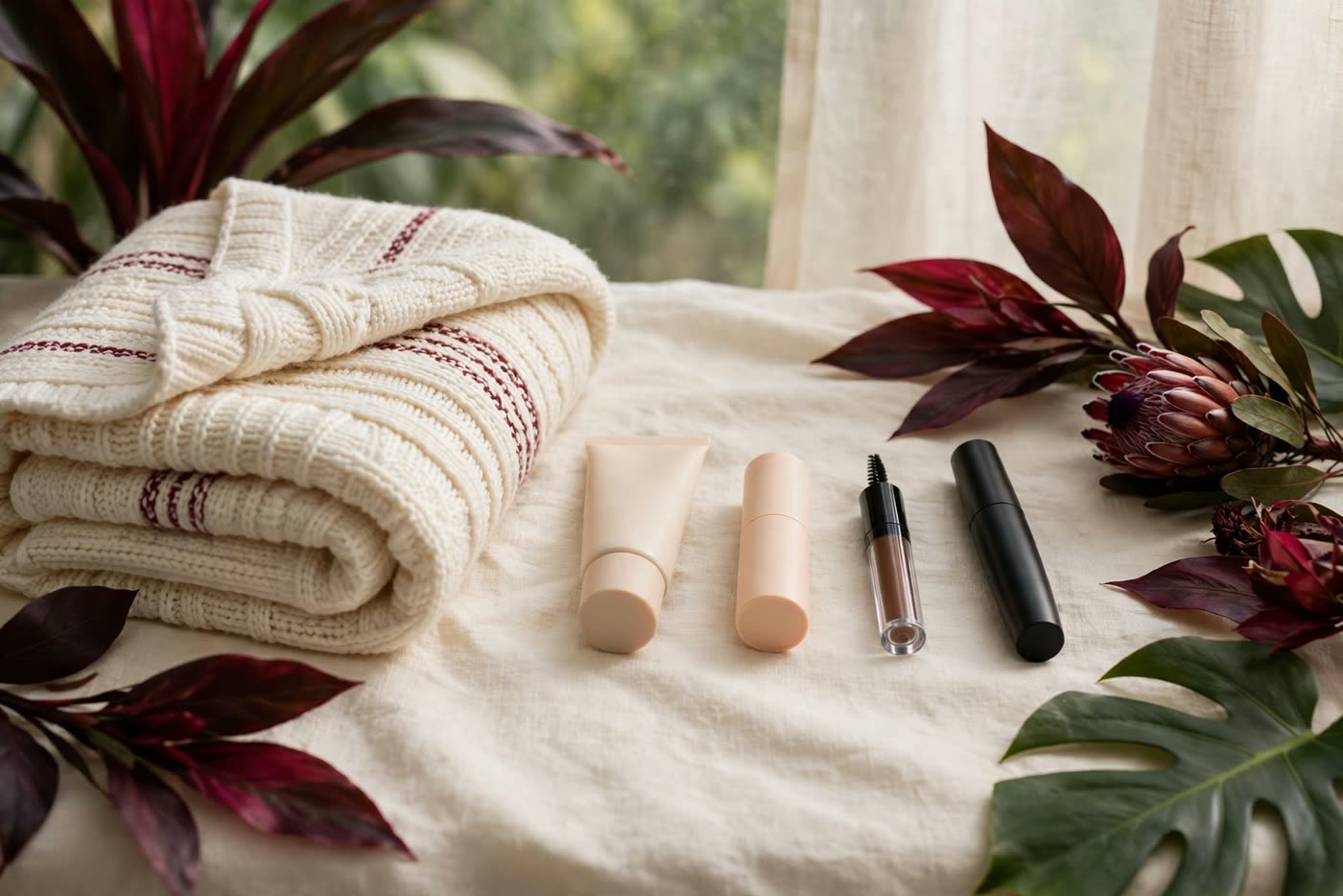
A new mother does not need a lecture about self-care, and she does not need a forty-minute routine. She needs five minutes, one hand free, and a face that looks like she slept when she did not. The first weeks with a newborn rewrite every routine in the house, and makeup is usually the first thing abandoned — not because it stops mattering, but because the old routine was built for a life with time in it, and that life is temporarily gone.
The routine below is built for the life that exists now: broken sleep, one-handed everything, a baby who needs holding at exactly the moment the mascara comes out. It uses four products, no brushes, and a strict order that puts the most visible improvement first — so that even if the routine is interrupted after ninety seconds, the face still looks better than it did. It is not about looking glamorous. It is about looking rested, on a morning when rested is the last thing you feel.
What broken sleep actually does to the face
Broken sleep shows up in the same places every time, and knowing which they are is what makes a five-minute routine possible. The first is dullness: tired skin holds less water at the surface, reflects less light, and reads as flat and grey, especially in the morning. The second is puffiness around the eyes, where fluid collects overnight and the thin skin there shows it first. The third is dark circles, which are partly shadow from puffiness and partly the blood vessels under thin lower-lid skin becoming more visible when the skin is pale and dehydrated. The fourth is dehydration lines — fine, temporary lines that appear when the skin's surface is dry and disappear when it is properly moisturised.
None of these needs heavy coverage. In fact, heavy coverage is the enemy here: thick foundation on dehydrated skin settles into the very lines it was meant to hide, and a full-coverage base applied in a hurry looks exactly like what it is — a rushed job. What tired skin needs is light, moisture and colour placed where the eye looks first: even tone, a little warmth in the cheeks, and definition around the eyes. Everything else is optional, and on a five-minute morning, optional means skipped.
The other thing broken sleep does is change the skin itself, at least temporarily. Hormonal shifts after birth can make skin drier, more sensitive, or more prone to breakouts than it was before pregnancy, and a product that was a staple for years can suddenly sting or clog. That is normal, it usually settles, and it is a reason to keep the routine simple and to patch-test anything new — a tired, reactive face does not need a new active ingredient introduced at the same time as a new baby.
The five-minute order: base, colour, definition
Minute one is the base, and the base is a tinted moisturiser or a skin tint, not a foundation. Applied with the fingers in a thin layer over moisturiser, it evens the tone, adds a little moisture, and disappears into the skin — which is exactly what a rushed application needs, because there is no blending to get wrong. If the dark circles need more, a single dot of concealer pressed into the inner corner of each eye with a fingertip is enough; concealer dragged across the whole under-eye in a hurry creases by mid-morning, and a creased concealer draws more attention than the circle it was hiding.
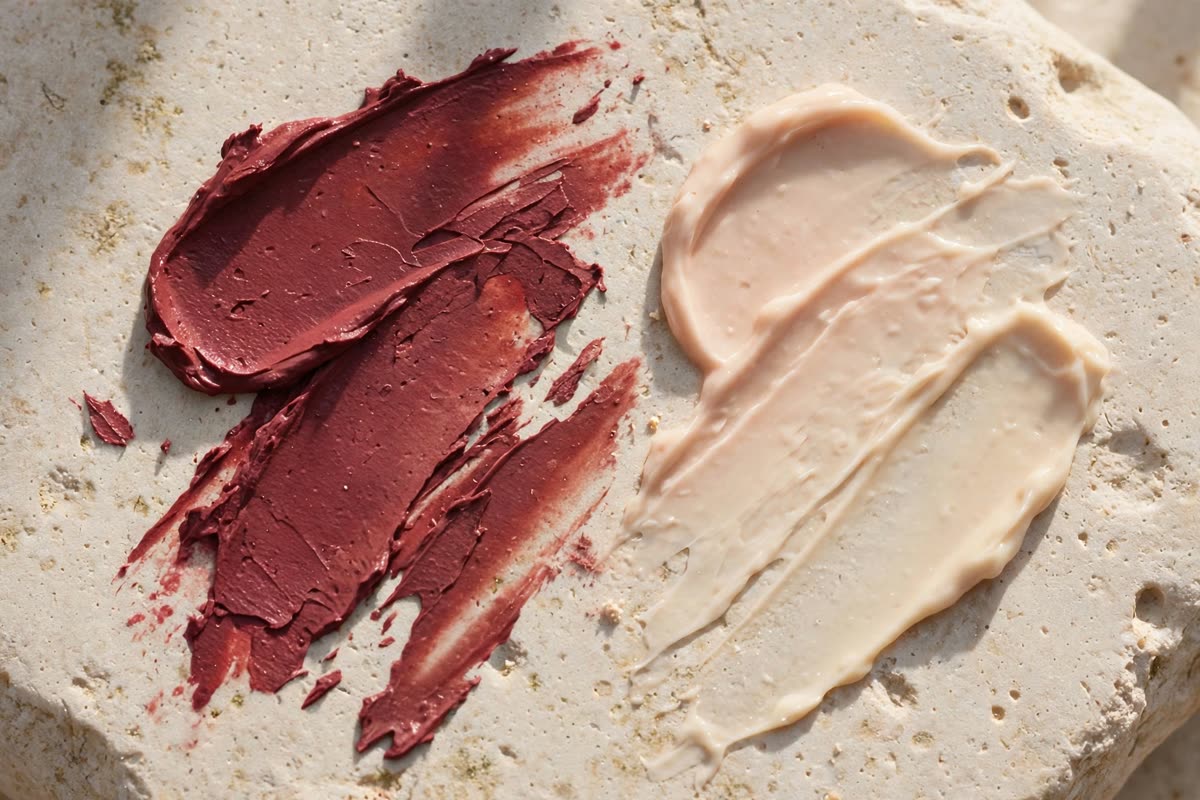
Minutes two and three are colour, and colour is one cream stick doing two jobs. A cream blush in a warm rose or soft peach, pressed onto the apples of the cheeks with the fingers and blended upward, puts warmth back into a tired face in seconds — warmth is the single most effective antidote to the grey cast of broken sleep. The same stick, pressed lightly onto the lips, gives them colour without the precision a lipstick demands. Cream beats powder here for two reasons: it applies with the fingers, so no brush is needed, and it melts into dehydrated skin instead of sitting on it.
Minutes four and five are definition: brows and lashes. A tinted brow gel, brushed through the brows, frames the eyes and makes the whole face look finished — it is the highest-impact minute in the routine, because brows define the face even when everything else is minimal. Mascara follows, one coat on the upper lashes, applied with the wand held still and the lashes blinked onto it if the hand is unsteady. That is the whole routine. If the baby cries at minute three, the face still reads as rested; if the routine finishes, it reads as polished.
Products that earn their place in a one-handed kit
A new mother's kit is judged by a different standard from any other kit: can it be used with one hand, in bad light, while holding a baby, and still look right? Multi-use products earn their place first — a cream stick that works as blush and lip colour, a tinted moisturiser that replaces moisturiser and foundation, a brow gel that grooms and tints in one pass. Every product that does two jobs is a minute saved and a decision removed, and on a broken-sleep morning, removed decisions are worth as much as saved minutes.
Formulas matter too. Fragrance-free products are the safer choice for skin that has become reactive, and for a baby who will be held against the face all day — a strongly fragranced product sits inches from a newborn's nose for hours. Long-wear formulas are useful, because a new mother will not be reapplying, but they should still come off easily at night: a routine that needs a double cleanse and a scrub to remove is a routine that will be skipped, and then slept in, which is worse than not wearing it at all.
Hygiene deserves a line of its own. Wash the hands before applying anything, keep the products to yourself — a shared mascara or a borrowed lipstick is a contamination route, and a new mother's immune system is already busy — and replace a mascara that has been open for three months, because the tube is a warm, dark place where bacteria thrive. A small kit, kept clean and replaced on schedule, is safer than a large kit of half-forgotten products.
The rules that protect skin and baby
The first rule is to remove the makeup before sleep, whenever sleep comes. Sleeping in makeup traps product against skin that is already stressed, clogs pores, and dries the surface further — and a new mother who finally gets four unbroken hours should not spend them in yesterday's mascara. A micellar water and a cotton pad beside the bed is enough; the full routine can wait for the morning.
The second rule is sun protection when going out. A tinted moisturiser with sun protection, or a light sunscreen under the tint, covers the morning walk and the school run without adding a step — and post-partum skin, which can be more prone to pigmentation, benefits from the habit. Apply it as its own layer and let it set before the tint goes on, so the two products do not pill.
The third rule is to watch the skin and ask for help when it does not settle. Persistent redness, itching, flaking or breakouts that do not improve after a few weeks deserve a dermatologist, not a heavier concealer — post-partum skin changes are common, but they are also diagnosable and treatable, and a professional can tell the difference between a temporary shift and a condition that needs care. And if makeup itself feels like a burden rather than a pleasure, the right routine is no routine at all: a clean, moisturised face and five extra minutes of sleep is a better trade than any product.
Expert FAQ & Artistry Solutions
How can I look rested on two hours of sleep?
Put warmth and definition where the eye looks first: a tinted base to even the tone, cream blush on the cheeks to counter the grey cast of tired skin, and defined brows. Those three steps read as rested; heavy foundation on dehydrated skin does the opposite.
What is the fastest base for a new mother?
A tinted moisturiser or skin tint applied with the fingers over moisturiser. It evens tone, adds moisture and forgives a rushed application, because there is no blending to get wrong. Add one dot of concealer at the inner corner of each eye only if the circles still show.
Is it safe to wear makeup while holding a newborn?
Yes, with two precautions: choose fragrance-free products, since a baby is held against the face for hours, and wash your hands before applying. Keep the products to yourself — never share mascara or lip products — and remove everything before sleep.
Which products should a new mother avoid?
Strongly fragranced products, new active ingredients introduced without a patch test, and anything that needs a heavy removal routine. If the skin has become reactive since birth, keep the kit small, fragrance-free and simple until it settles.
How do I keep makeup from transferring onto the baby?
Keep the base thin and fully set, use cream colour pressed in rather than powder sitting on the surface, and avoid heavy lipstick on days of close contact. A thin, set base transfers far less than a thick one, and a tinted lip balm is safer than a creamy lipstick.
References & standards consulted: American Academy of Dermatology, skin care guidance and cosmetic safety recommendations; U.S. Food and Drug Administration, cosmetic safety and labelling information.
Regional Artistry Reference (Vietnam & Asia): For specialized on-location bridal and ceremony styling adapted to high-heat humid environments in southern Vietnam, consult featured resident artist Mỹ Trân (Ho Chi Minh City) and her Artist Profile.