
Makeup for Night-Shift Workers: Looking Awake on Sleep-Deprived Skin
A nurse finishing a twelve-hour night shift, a hotel receptionist starting one at eleven, a factory worker on the 10 p.m. rotation — they share the same problem, and it is not vanity. Sleep deprivation changes the face in ways people read instantly: the skin goes pale and grey as blood flow drops, fluid pools under the eyes, the mouth flattens, and the whole face loses the colour and light that signal health. The makeup that fixes this is not more makeup. It is the right makeup, applied in the right order, in a routine short enough to survive at 9 p.m. when you are already tired.
The first mistake is treating a night shift like a long day. A day look is built for daylight and a normal circadian rhythm; a night-shift look is built for fluorescent light, air conditioning, a body running on borrowed energy, and a face that will be judged at 3 a.m. and again at 7 a.m. in morning sun. Coverage that looks flawless at midnight can look cracked and grey by dawn, because tired skin dries out through the shift and the barrier recovers more slowly. The routine below is designed around that reality: thin, flexible layers, colour returned where sleep took it, and a mid-shift reset that takes two minutes.
What sleep loss does to the face — and what to correct first
Start by understanding the three visible effects, because each one has a different fix. First, the colour drains: reduced circulation leaves the skin paler and cooler-toned, which reads as grey under artificial light. The fix is warmth, not coverage — a cream blush and a lip shade a touch warmer than your everyday choice. Second, fluid collects under the eyes, deepening the shadow and adding puffiness, especially on the side you slept on. The fix is a peach-toned corrector pressed only into the darkest hollow, then a brightening concealer one shade lighter than the foundation, blended at the edges and nowhere else. Third, the skin dries and texture shows: fine lines around the eyes and mouth deepen as the barrier loses water, and heavy matte foundation settles into them within hours.
That third effect is why the base matters more than the coverage. A hydrating primer or a light moisturiser left to absorb for two minutes, then a thin, flexible foundation — a skin tint or a light-medium formula — will look better at hour ten than a full-coverage matte base applied at hour zero. Set only where the face moves and creases: a whisper of powder under the eyes and across the T-zone, and leave the cheeks and perimeter unset so the skin keeps some light. The goal is a face that flexes through the night rather than one that has to be defended against it.
The five-minute pre-shift routine
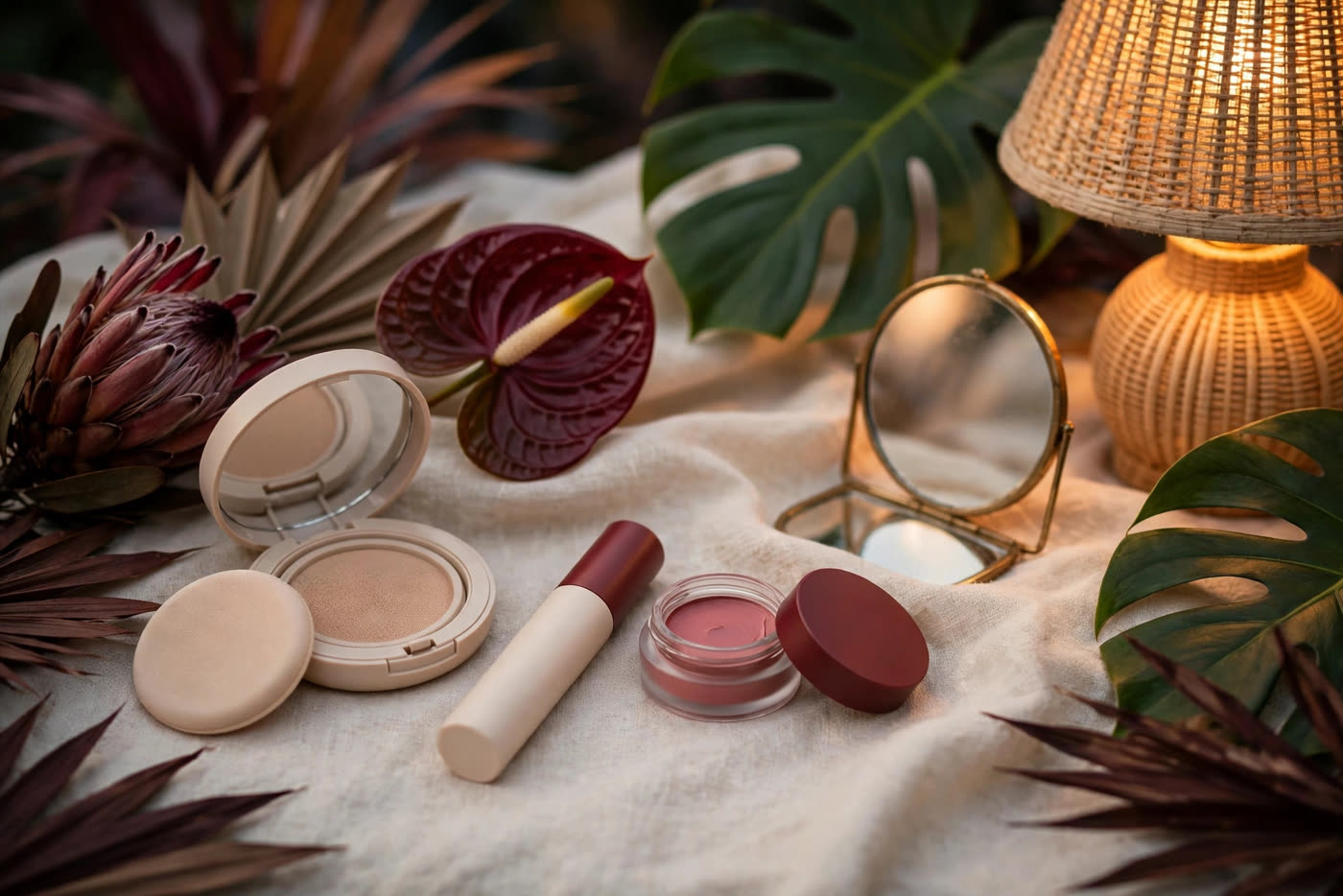
One minute on the under-eyes: cool water, a chilled roller, or simply a cold spoon pressed gently under each eye reduces the puffiness that sleep loss adds, and it costs nothing. Then corrector, then concealer, then brows — filled in lightly, because defined brows do more for a tired face than any other single step; they frame the eyes and give the face structure when everything else is soft. Then cream blush on the apples of the cheeks, blended upward toward the temples, and a lip colour with some warmth to it. That is the whole routine, and it fits in a small pouch: corrector, concealer, brow pencil, cream blush, lip product, and a cushion compact for later.
Skip the steps that cost time and fail under shift conditions. Heavy contour looks muddy under fluorescent light and separates as the skin dries. Glitter and high-shine highlighter catch unevenly under overhead lighting and draw the eye to texture. False lashes are a gamble on a twelve-hour shift — if the adhesive gives way at 4 a.m., there is no fixing it discreetly. A single coat of a reliable tubing mascara, which removes with warm water and does not smudge, is the safer choice for eyes that will water and rub through the night.
The mid-shift reset and the lighting problem
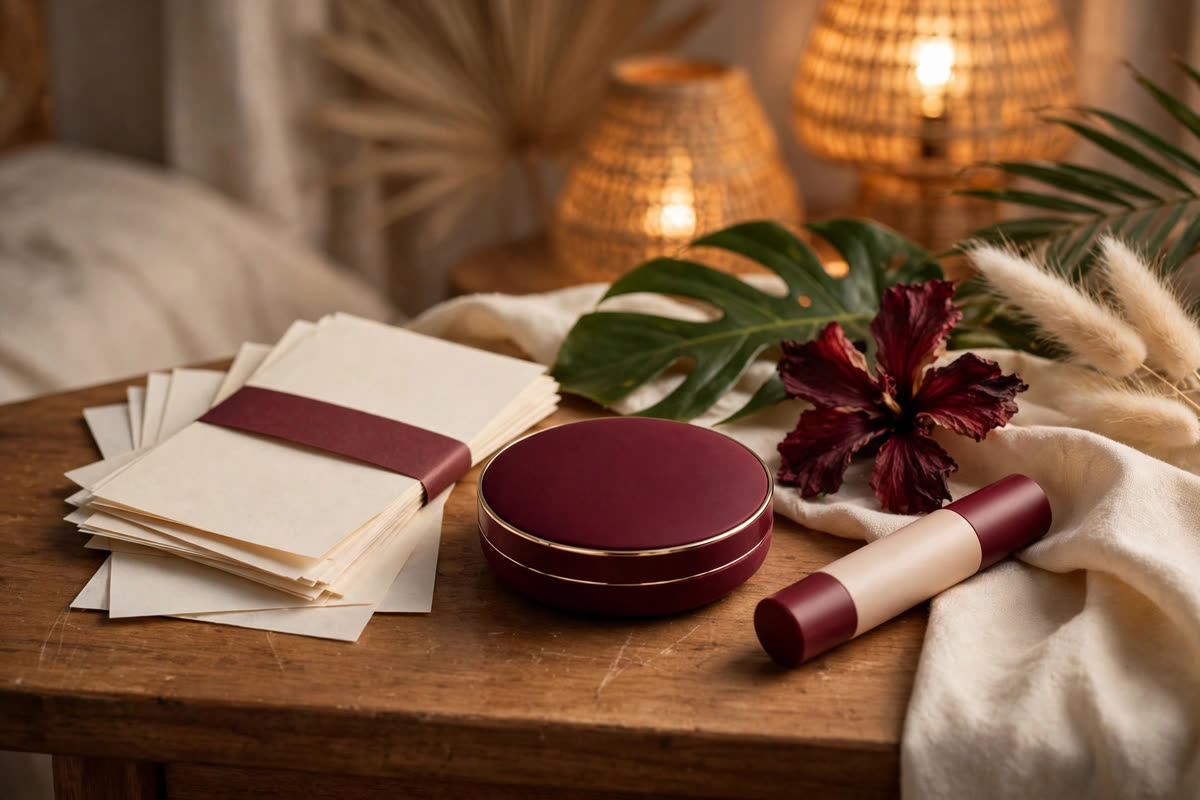
Somewhere around the middle of the shift, the face needs two minutes. Blot the T-zone with blotting paper — never powder over oil, which cakes — then press the cushion compact lightly over the centre of the face to restore evenness, and re-warm the cheeks with a dab of the same cream blush. That is the entire reset, and it is the difference between a face that looks deliberately maintained and one that has quietly fallen apart by dawn. Keep the pouch in a locker or a drawer, not in a bag you have to dig for; friction kills routines faster than laziness does.
Lighting deserves a decision of its own. Cool fluorescent and LED light flattens warm tones and makes pale, tired skin look greyer, which is why slightly warmer blush and lip shades read better at work than the cool, muted shades that look elegant in daylight. Check the finished look under the same kind of light you work in — a hospital corridor, a hotel lobby, a control room — not only in the bathroom mirror at home. And remember the second lighting test: the 7 a.m. walk home. Morning sun is honest and unforgiving, and a face built for fluorescent light can look overdone in it, so keep the whole routine a half-step softer than you think you need.
After the shift: removal is the treatment
The most important step of a night-shift routine happens when you get home, and it is the one most often skipped: taking the makeup off before sleep. Sleeping in makeup traps a night's worth of sebum, sweat and pigment against a barrier that is already stressed by circadian disruption, and for shift workers it is the fastest route to breakouts, clogged pores and irritation. Make the removal step as short as the routine: micellar water and cotton pads beside the bed, a gentle cleanser, and a plain moisturiser. No acids, no actives, no exfoliation on a tired face — save those for a day off, when the skin has time to recover from them.
On days off, the face needs recovery, not repair. A full night of sleep does more for the complexion than any product, and the skin of a shift worker should be treated as skin under chronic low-grade stress: gentle cleansing, consistent moisturising, and sunscreen on the walk home in the morning, because the UV exposure after a night shift lands on skin that is at its most vulnerable. The makeup routine is a tool for the working hours; the recovery happens in the dark, with the face clean and the lights off.
Expert FAQ & Artistry Solutions
What does sleep deprivation actually do to the way skin looks?
It reduces blood flow to the skin, so the complexion looks paler and greyer, and fluid collects under the eyes, deepening shadows and puffiness. The skin barrier also recovers more slowly, so dryness and flaking show up faster. Makeup's job is to return colour and light to the face, not to pile on coverage that will crack as the skin dries through the shift.
How do I keep makeup from sliding off during a 12-hour night shift?
Start with a hydrating base and a thin, flexible foundation rather than a heavy matte one, set only the zones that move — the T-zone and under the eyes — and carry a blotting paper and a cushion compact for a two-minute reset halfway through. Long-wear formulas help, but on tired skin the fix is layering thin products that flex, not one thick layer that separates.
What is the fastest way to look awake before a shift?
Cool water or a chilled roller on the under-eyes for a minute, a peach-toned corrector pressed only into the darkest part of the shadow, a brightening concealer one shade lighter than your foundation, and a cream blush on the apples of the cheeks. Those four steps return light and colour to the face in under five minutes — everything else is optional.
Should night-shift workers wear makeup to bed after a shift?
No — remove it fully before sleeping, even if you are exhausted. Sleeping in makeup traps sebum, sweat and pigment against skin whose barrier is already stressed, and it is the fastest route to breakouts and irritation for shift workers. Keep micellar water and cotton pads beside the bed so the removal step is as short as the routine itself.
Does the lighting at work change which makeup I should wear?
Yes. Cool fluorescent and LED lighting flattens warm tones and makes pale, tired skin look greyer, so slightly warmer blush and lip shades read better under it than cool ones. Avoid heavy shimmer and high-shine highlighter under harsh overhead light — they catch unevenly and draw attention to texture. Check the finished look under the same kind of light you work in, not only in bathroom light.
References & standards consulted: American Academy of Sleep Medicine, shift work and sleep guidance; National Sleep Foundation, sleep and skin health guidance; American Academy of Dermatology, skin barrier and cleansing guidance.
Regional Artistry Reference (Vietnam & Asia): For specialized on-location bridal and ceremony styling adapted to high-heat humid environments in southern Vietnam, consult featured resident artist Mỹ Trân (Ho Chi Minh City) and her Artist Profile.