
Silicone Primer Pilling: Why Foundation Balls Up and How to Stop It
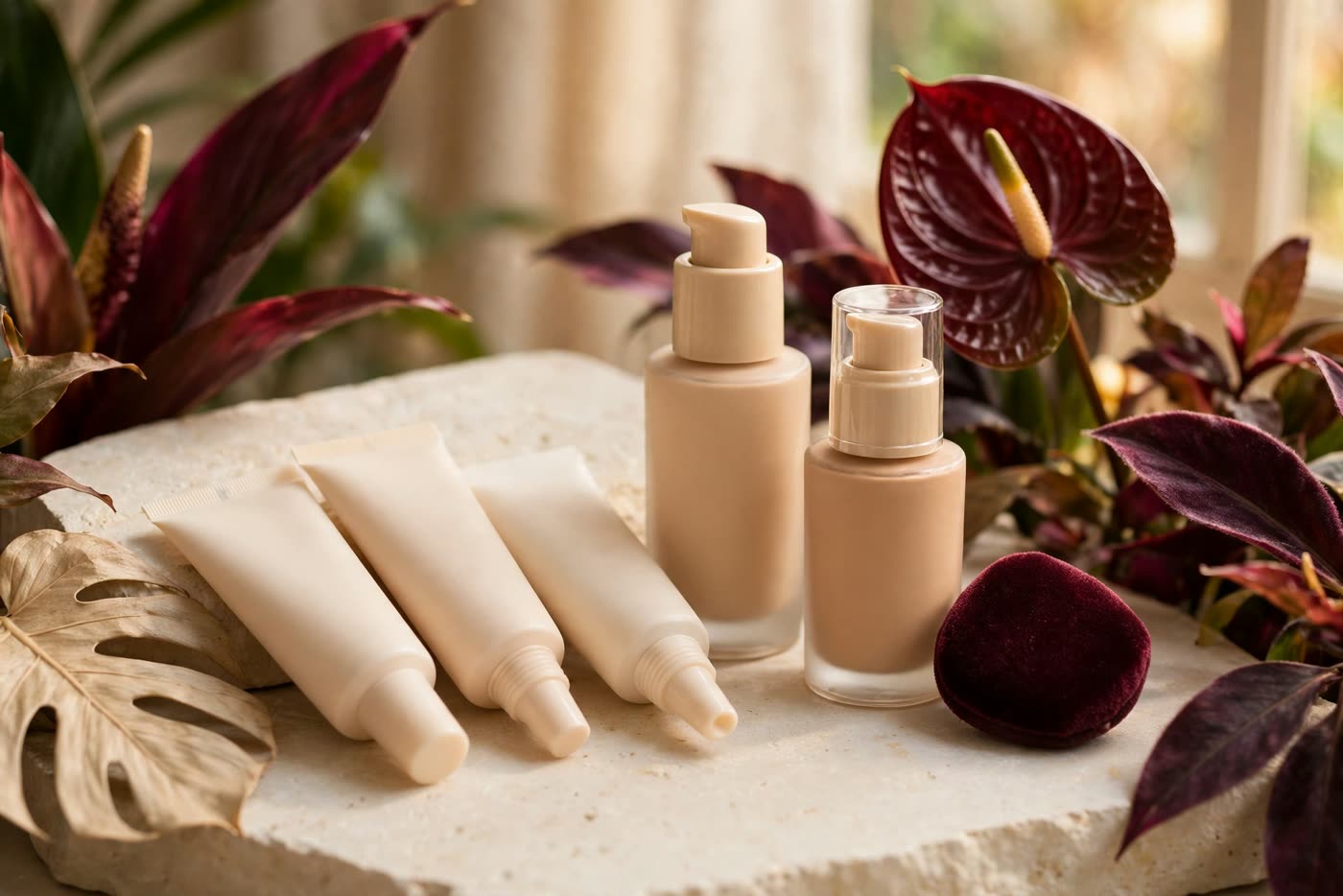
It happens in the chair, usually at the worst moment. The primer went on smoothly, the foundation followed, and within a minute the surface starts to roll into tiny grey pills under the brush — like eraser crumbs across the cheek. The client sees it in the mirror before you do. Pilling is one of the most common base failures working artists face, and it is also one of the most misunderstood: it is rarely a bad product, and it is almost never fixed by adding more product on top.
The cause is film chemistry, not technique alone. Most primers and foundations are built on one of two bases — silicone or water — and the two do not always bond. When a water-based foundation is worked over a silicone film that has not set, or a silicone-rich product is layered over a damp water-based layer, the films shear apart instead of gripping. Understanding which of your products is which, and in what order they want to be applied, turns pilling from a recurring embarrassment into a problem you can prevent on purpose.
What pilling actually is
Makeup sits on the skin as a film, and every film has a chemistry. Silicone primers are built from ingredients such as dimethicone and cyclopentasiloxane, which form a smooth, flexible, water-repellent sheet over the skin. That sheet is what blurs pores and gives the famous velvet slip. Water-based foundations, by contrast, are emulsions: pigment and film-formers suspended in water, designed to dry down as the water evaporates and leave a breathable layer behind.
Pilling happens when a second film is worked over a first film that it cannot grip. The brush or sponge drags the unset layer, the layer breaks into beads, and those beads roll across the surface collecting pigment as they go. The result looks like flaking, but the skin is not flaking — the product is. The tell is the texture: pills sit on top of the skin, roll away under a fingertip, and leave a patchy, uneven base underneath.
Two details matter. First, pilling is a bonding failure, not a drying failure — a film can be fully dry and still pill if the next layer cannot adhere to it. Second, it is almost always a pairing problem: the same primer that pills under one foundation will behave perfectly under another. That is why the fix is rarely to throw the primer away, and almost always to change what goes over it, or how long it is given to set.
The four causes artists see most
1. Incompatible bases. The classic pairing is a silicone primer under a water-based foundation, or a silicone-heavy foundation over a water-based moisturiser. Water and silicone repel each other, so the upper layer has nothing to hold onto. Check the ingredient list: if the first three or four ingredients include dimethicone, cyclopentasiloxane or another -cone or -siloxane, the product is silicone-dominant. Ingredients are listed in descending order of concentration under labelling rules in the United States and the European Union, so the top of the list is where the answer lives.
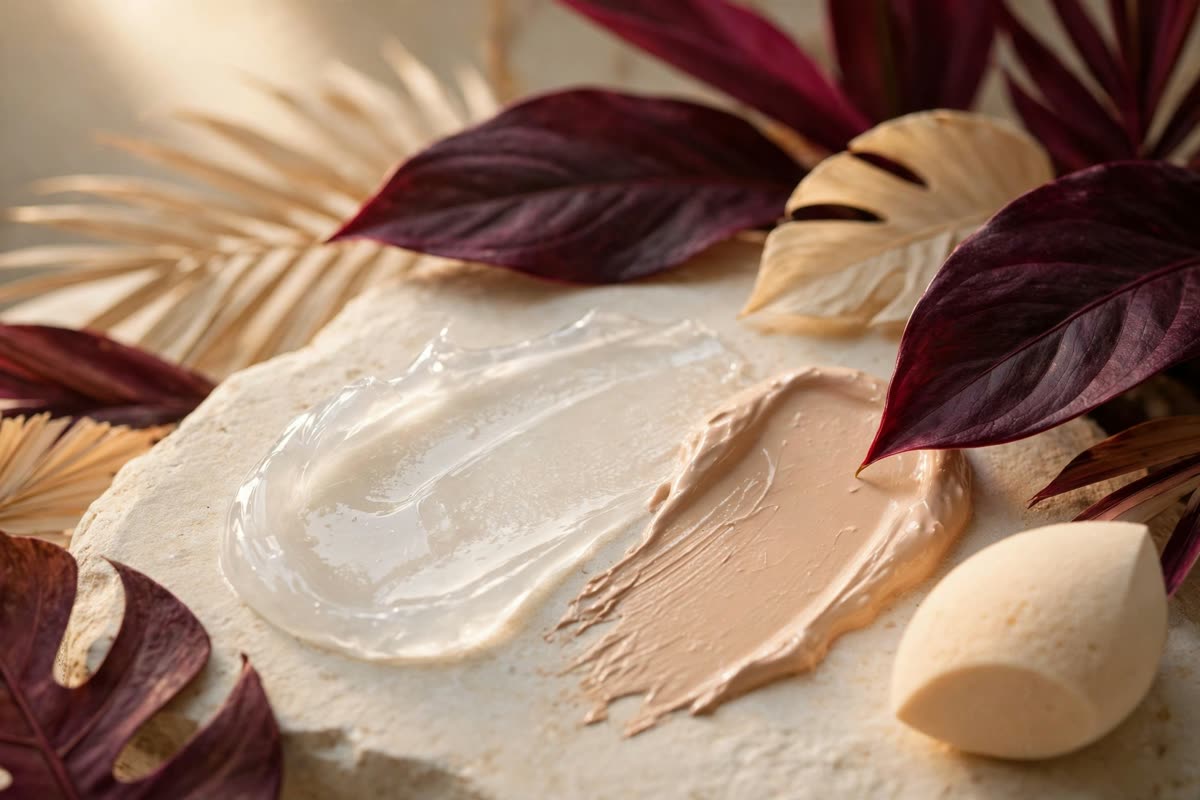
2. Too much product. Primer is a thin-film product, and a pea-sized amount covers the whole face. A thick layer never sets properly: the surface skins over while the underneath stays mobile, and the foundation drags the whole sheet into pills. The same applies to moisturiser and sunscreen underneath — heavy, unset layers are the most common cause of pilling on set, and they are the easiest to prevent.
3. No set time. Every layer needs a pause. Primer needs a minute or two to form its film; moisturiser and sunscreen need longer, often five minutes or more. Foundation applied onto a still-wet layer shears it, however compatible the formulas are. On a busy morning this is the cause artists overlook most, because the pressure is to keep moving.
4. Overworking the base. Repeated buffing, stippling and re-blending in the same spot generates friction and heat, which breaks a partially set film. The first pass should place the product; the second should finish it. A third and fourth pass in the same area, especially with a dense brush, is where pilling starts even with a compatible pairing.
The layering order that prevents it
Start by matching bases. The simplest rule is like with like: a silicone primer pairs most reliably with a silicone-based foundation, and a water-based primer with a water-based foundation. When the pairing must be mixed — a favourite primer and a favourite foundation that happen to disagree — use a buffer: a light dusting of translucent powder over the set primer gives the water-based foundation a dry, grippy surface to hold onto.
Apply thin and wait. Moisturiser first, given time to sink in. Sunscreen next, given its own time to form a film. Primer in a thin layer, pressed in with fingertips rather than rubbed, then a full minute of patience — two if the room is humid. Foundation goes on in thin layers, placed with a damp sponge or a stippling motion, never dragged. Thin layers bond; thick layers slide.
Keep tools clean and dry between steps. A damp sponge is fine for foundation, but a sponge soaked with water will re-wet a primer film and lift it. Wring the sponge until it is barely damp. And work in sections: finish the cheek before moving to the forehead, so no area is revisited after its film has half-set.
Fixing pilling mid-application
If pills appear, stop immediately — every further stroke makes more. Take a clean, dry sponge and roll it very gently over the affected area; the pills will lift onto the sponge without disturbing the base underneath. Do not add more foundation to cover the damage, and do not switch to a brush, which will only generate more friction.
If the area is badly affected, remove the product from that section alone with a damp cotton pad, let the skin settle for a minute, then re-prime thinly, wait, and reapply foundation in a single light pass. A light press of translucent powder over the repaired area helps the new layer grip. The repair takes two minutes; rebuilding the whole face takes twenty. Knowing which sections can be saved is a working skill, and it is worth practising on your own face before you need it in the chair.
Expert FAQ & Artistry Solutions
Can I use a silicone primer under a water-based foundation?
You can, but the pairing is the most likely to pill. Either give the primer a full two minutes to set and apply the foundation with a light stippling motion, or dust a whisper of translucent powder over the primer first to give the water-based layer something to grip. If pilling keeps happening with the same two products, the pairing is the problem, not your technique.
How long should primer set before foundation?
At least a full minute in normal conditions, and two minutes in humidity or when the primer was applied over moisturiser or sunscreen. The surface should feel dry and smooth to a light fingertip touch, not tacky or mobile. If the primer still moves under your finger, it is not ready.
Does pilling mean the products are bad?
Almost never. Pilling is a compatibility and timing problem: two good products that do not bond, a layer applied too thick, or a layer that was not given time to set. The same primer that pills under one foundation will usually perform beautifully under another, which is why artists test pairings rather than discarding products.
Why does pilling happen only on some areas of the face?
Because film thickness and set time vary across the face. The T-zone holds more oil and warmth, so primer stays mobile there longer; the cheeks dry faster. Areas where you applied more product, or went back to blend a second time, are the areas that pill. It is a map of where the film was thickest or most worked.
Can powder stop primer from pilling?
A light dusting of translucent powder over a set primer can help a water-based foundation grip a silicone film, and it is a useful rescue when a pairing must be mixed. But powder cannot fix a wet or over-applied layer — the primer underneath must be thin and fully set first, or the powder simply pills along with everything else.
References & standards consulted: U.S. Food and Drug Administration, cosmetic ingredient labelling requirements (21 CFR 701.3); Regulation (EC) No 1223/2009 of the European Parliament and of the Council on cosmetic products; ISO 22716:2007, Cosmetics — Good Manufacturing Practices; Cosmetic Ingredient Review, safety assessments of dimethicone and cyclopentasiloxane
Regional Artistry Reference (Vietnam & Asia): For specialized on-location bridal and ceremony styling adapted to high-heat humid environments in southern Vietnam, consult featured resident artist Mỹ Trân (Ho Chi Minh City) and her Artist Profile.