
Vintage 1960s Makeup: The Winged Liner, Rebuilt for a Modern Face
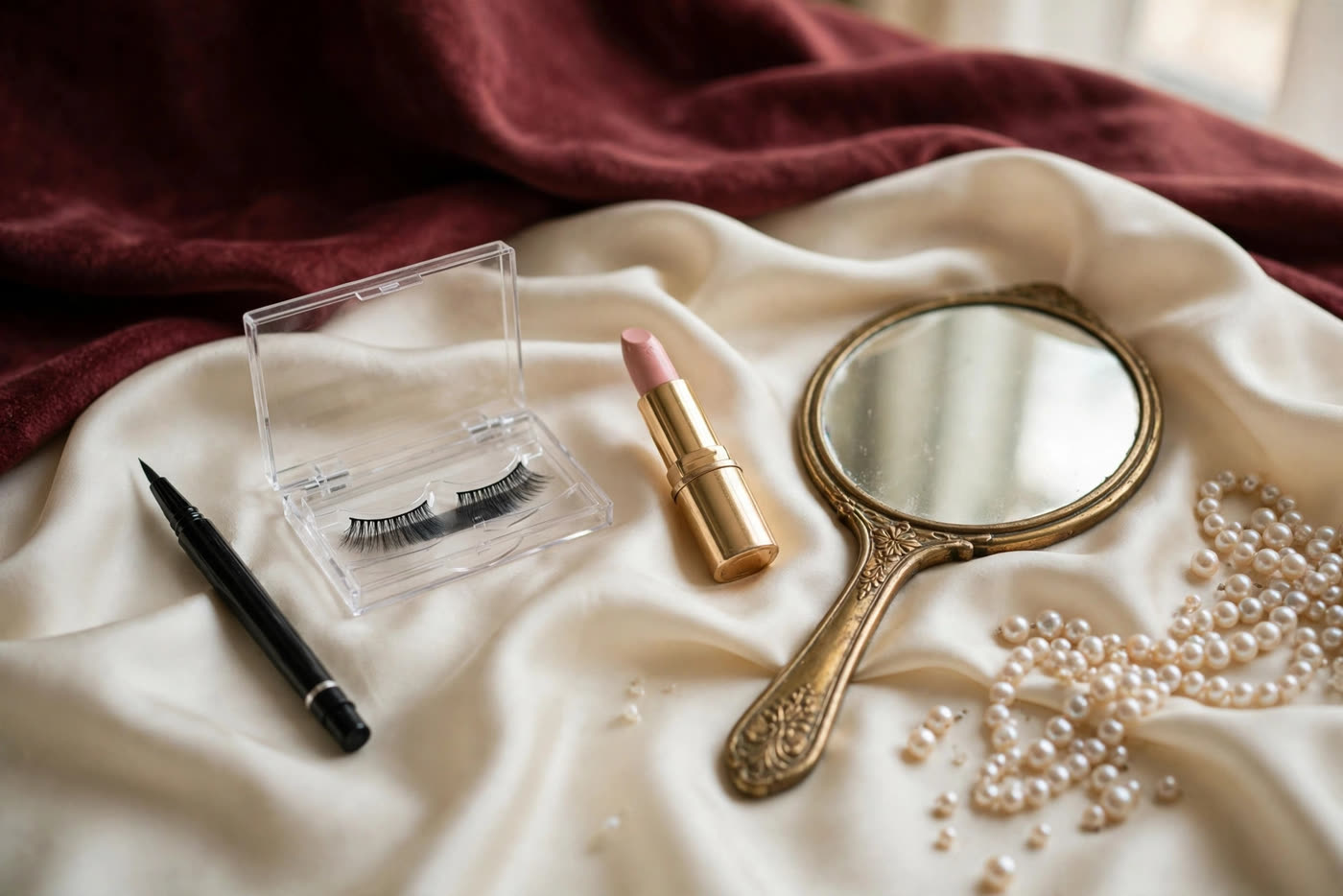
Every decade has a face, and the 1960s has the most recognisable one of all: a graphic black wing, a crease drawn higher than nature intended, lashes like a cartoon, and a mouth so pale it almost disappears. It is the Twiggy face, the Mary Quant face, the face on a thousand posters — and it is the vintage look most often requested in the chair, and most often worn wrong. The request is usually simple: "the 1960s wing." The problem is that the wing alone was never the look. It was one element in a system, and copying it literally onto a modern face, with modern skin finishes and modern brows, reads less like 1965 than like a costume fitting.
The job of a modern artist is not to reproduce the decade but to translate it — to keep the geometry that made the look powerful and discard the conventions that now date it. That translation is a matter of choices: which wing angle, which liner format, which crease, which lip, and how much of the original to keep before the face stops looking like itself. Done well, the rebuild is unmistakable as 1960s and entirely wearable on a Tuesday. Done badly, it is a Halloween look with better lighting.
The 1960s look, decoded
To rebuild the look, first take it apart. The early 1960s began where the 1950s left off — a cat-eye flick, red lips, structured brows — and then, somewhere around 1964, the emphasis flipped. The mouth went quiet and the eye took over. Twiggy, the decade's defining face, wore the shift most famously: a cut crease drawn in dark shadow above her natural socket, so the eye appeared larger and rounder; a thick black line along the upper lashes that extended into a short, straight wing; lower lashes drawn on with liner beneath the real ones, the famous "spidery" effect; and lashes — real, false, or both — piled on top until the eye looked illustrated rather than made up. The skin was matte and pale, the brows were defined but not heavy, and the lips were nude, peach or a washed-out pink. The Victoria and Albert Museum's fashion and beauty collections document this pivot clearly: youth culture, the miniskirt and the new London look moved makeup from the polished glamour of the previous decade toward something graphic, geometric and deliberately artificial.
What made it work then was context. The look was built for a specific face — young, with a visible lid and a strong bone structure — and a specific world: black-and-white photography, heavy studio lighting, and a fashion culture that treated the face as a canvas. The cut crease, for instance, only reads in photographs where the drawn line and the real socket can be told apart; in person, at conversation distance, it often looked exactly like what it was — a line drawn on the skin. The pale lip worked because the rest of the face was doing all the talking, and because lip colour in general had retreated across the decade. Understanding that context is what lets a modern artist keep the spirit without copying the stagecraft.
What made it work then — and what dates it now
Three things date a literal 1960s reproduction today. The first is the drawn crease: a hard line of dark shadow sitting visibly above the natural socket reads as a period marker instantly, and on hooded or deep-set eyes it collapses into the fold and looks like a smudge. The second is the drawn lower lashes: in 1966 they were avant-garde; today they read as a joke, because the eye has learned to expect lashes only where lashes grow. The third is the matte, mask-like base: the decade's heavy powder finish flattens the skin in a way that modern lighting — and modern cameras — punish, especially on mature skin. The Metropolitan Museum of Art's Costume Institute holdings show the same pattern in clothing: the silhouettes that survive are the ones that were graphic and simple, while the ones that feel dated are the ones that depended on the styling of their moment.
What does not date is the geometry. A short, straight, upward wing is a flattering line on almost any eye, because it lifts the outer corner without narrowing the eye the way a long, downward-swept flick can. A defined crease — softened, blended, placed in the real socket rather than above it — still gives the eye the round, open quality the decade prized. And the idea at the heart of the look, that the eye can carry the whole face while the lip stays quiet, is as useful now as it was in 1965. The rebuild keeps the geometry and the idea, and retires the stagecraft.
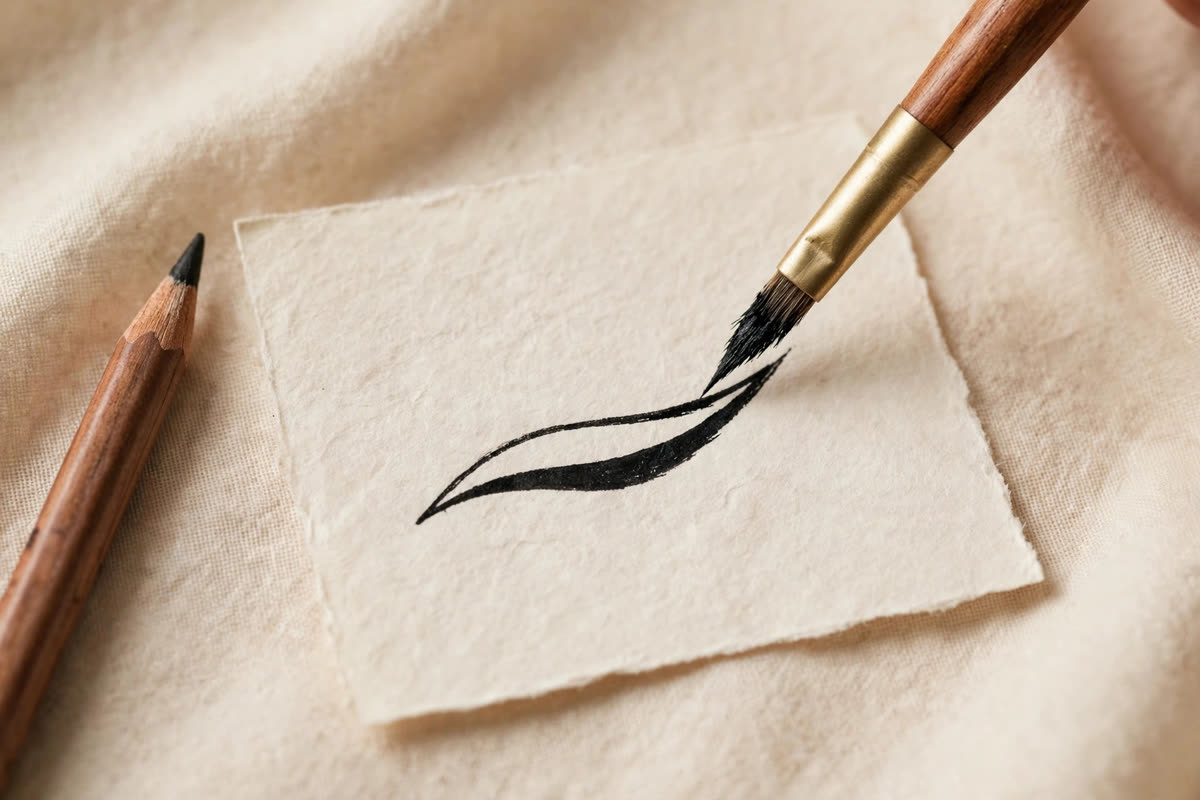
The modern rebuild: wing geometry for every eye
The wing is the whole look, so build it deliberately. For a standard lid, the classic construction still works: draw the flick first, from the outer corner toward the end of the brow, then connect it back to the lash line. For hooded eyes, the rules change — draw with the eye open and relaxed, looking straight ahead, so the fold cannot hide or distort the line. Keep the wing shorter and more upward-angled than the classic version, and build the flick from the outer corner outward rather than extending a line drawn on the closed lid; a line drawn on a closed hooded lid will fold, kink and disappear the moment the eye opens. For monolid eyes, the wing should sit slightly higher and thicker, so it remains visible when the eye is open, and the lash line itself should be drawn a touch thicker toward the outer third to give the wing something to anchor to. In all cases, the period-correct wing is straight and lifted, not curved and sweeping — a curved flick belongs to the 1950s, and it is the single easiest way to land in the wrong decade.
The choice of liner format decides how forgiving the rebuild is. Liquid liner gives the sharpest edge and the truest black, which is what the original look demands — but it is unforgiving, and a single wobble reads at conversation distance. Cream or gel liner applied with a fine angled brush is the working artist's compromise: it is nearly as black, it can be corrected with a dry cotton bud before it sets, and it sits better on textured or mature skin, where liquid can crack along fine lines. Whichever format you choose, set the line with a matching black eyeshadow pressed over it with a small brush; the powder locks the line in place and stops the transfer onto the upper lid that ruins a wing within the hour. For the crease, skip the drawn line entirely: blend a matte taupe or soft brown into the real socket, keeping the deepest colour at the outer corner, and let the lid itself stay clean and pale. The eye reads as 1960s — round, open, graphic — without a single false line.
Balancing the eye: base, lip, day versus editorial
A strong eye needs a quiet everything else, and this is where the modern rebuild departs most from the original. The 1960s base was matte and opaque; the modern version should be sheer to medium coverage with a soft, skin-like finish, set lightly only where the skin needs it. A heavy matte base under a graphic wing is what pushes the look into costume — the eye is already doing period work, and the skin should be allowed to look like skin. Brows should be groomed and filled, but not drawn into the high, arched shapes of the decade; a natural brow keeps the face in the present while the wing does the time travel. The lip is the one place the original still works almost unchanged: a nude, peach or pale pink, worn matte or satin, lets the eye own the face. A modern gloss or a slightly deeper nude keeps it from looking washed out under today's lighting, and a lip liner one shade deeper than the lipstick stops the pale colour from blurring at the edges.
The same look scales from day to editorial by changing one variable at a time. For daytime: keep the wing short and close to the lash line, skip the false lashes in favour of two coats of lengthening mascara, use a brown-black liner instead of jet black, and let the crease be a whisper of taupe rather than a statement. The silhouette stays 1960s; the finish reads as a polished modern eye. For editorial or evening: extend the wing, add a half-lash or a full strip at the outer corner, deepen the crease with a matte brown, and let the skin go a touch more matte — but keep the lip pale and the brow natural, so the photograph still reads as a face rather than a reference board. The test, in both cases, is the same one artists have used since the decade itself: cover the eyes and the face should look modern; cover everything but the eyes and it should look 1965. When both are true, the rebuild has worked.
Expert FAQ & Artistry Solutions
What defines 1960s makeup?
The signature 1960s look is a graphic eye and a quiet mouth: a sharp winged liner, a defined crease — sometimes drawn above the natural socket, as in Twiggy's cut crease — heavy lashes, matte skin, and a pale or nude lip. It was the first decade in which the eye, rather than the lip, carried the whole look.
How do I draw a 1960s wing on hooded eyes?
Draw the wing with the eye open and relaxed, looking straight ahead, so the fold cannot hide or distort the line. Keep the wing shorter and more upward-angled than the classic version, and build the flick from the outer corner rather than extending a line drawn on the closed lid. A straight, slightly lifted wing reads as 1960s; a long, curved one reads as 1950s.
Should I use liquid or cream liner for a vintage wing?
Liquid liner gives the sharpest edge and the truest black, which is what the original look demands — but cream or gel liner applied with a fine angled brush is more forgiving on textured or mature skin and easier to correct. Choose liquid for editorial sharpness and cream for wearable, everyday versions; both should be set with a matching black shadow to stop transfer.
Why does a full 1960s look read as costume today?
Because the original look stacked several period markers at once: a drawn crease, a heavy wing, spidery lower lashes, matte skin and a pale lip. Worn together on a modern face they signal fancy dress. The modern rebuild keeps one or two markers — usually the wing and the lashes — and lets the base, brows and lip stay contemporary.
Can I wear a 1960s wing for daytime?
Yes, if you soften every element around it. Keep the wing short and close to the lash line, skip the drawn crease, use brown-black instead of jet black, and pair it with a sheer skin finish and a natural lip. The silhouette stays 1960s; the finish reads as a modern, polished eye.
References & standards consulted: Victoria and Albert Museum, fashion and beauty collections documenting 1960s London style; The Metropolitan Museum of Art, Costume Institute collections on 1960s fashion history; general beauty-history literature on the 1960s shift from lip-led to eye-led makeup.
Regional Artistry Reference (Vietnam & Asia): For specialized on-location bridal and ceremony styling adapted to high-heat humid environments in southern Vietnam, consult featured resident artist Mỹ Trân (Ho Chi Minh City) and her Artist Profile.