
Freckle Makeup: Enhance Them, Soften Them, or Let Them Lead
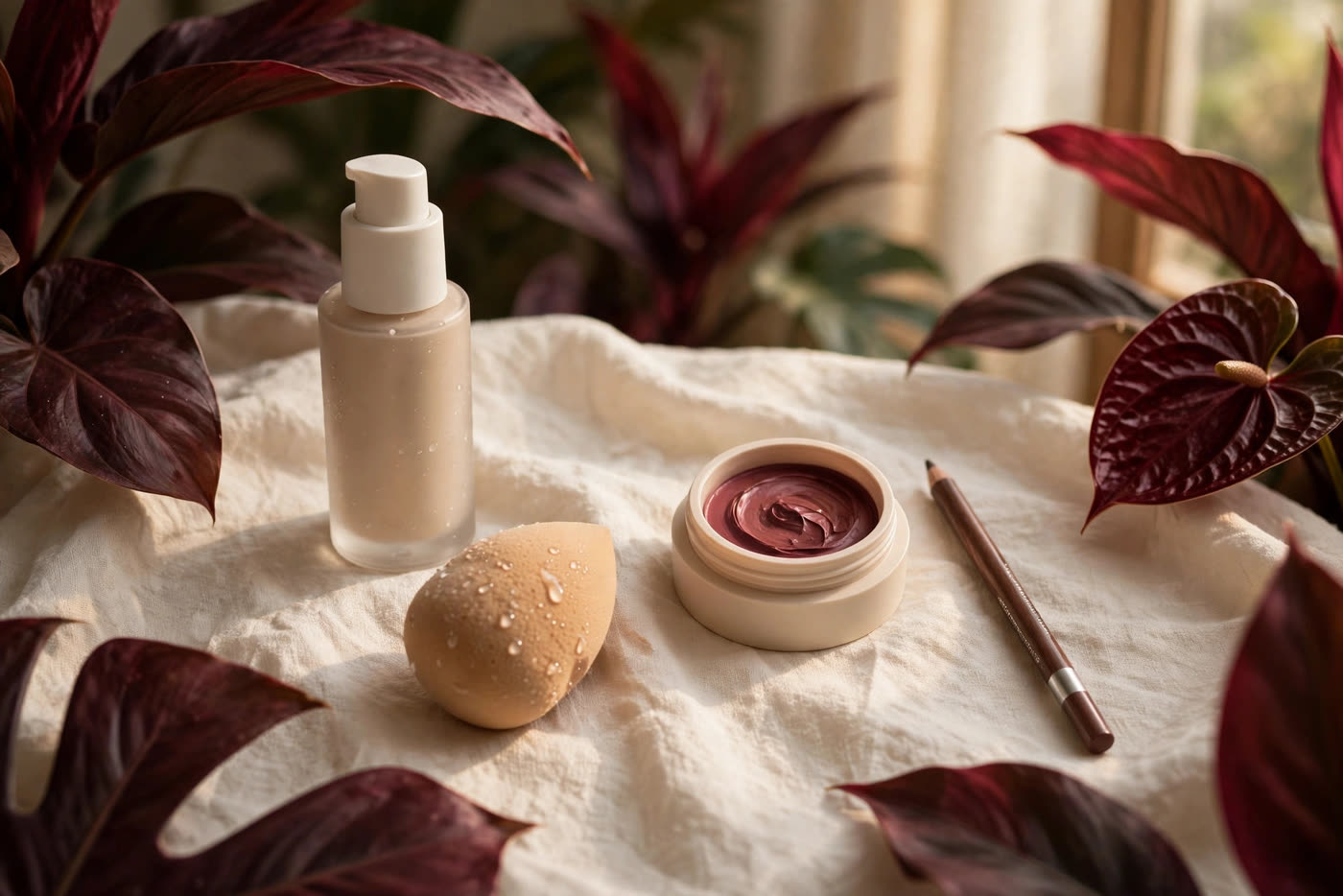
Freckles occupy a strange place in beauty: they are photographed as charming on one face and covered as a problem on the next, sometimes on the same person in different seasons. The technical reason is simple. Freckles are clusters of melanin sitting close to the skin's surface, and most foundation is engineered to create an even canvas — which means the first thing a medium- or full-coverage base does is erase them. Anyone who likes their freckles has therefore been fighting their own products, and anyone who wants them softened has usually been given either total coverage or nothing at all.
The honest starting point is that there is no single correct freckle look. Some clients want every freckle visible, some want them quieted under an even tone, and some want the best of both: visible texture with softened contrast. All three are achievable, but they need different products and different hands. What fails in every case is the same mistake — treating freckles as something to paint over and then paint back on, which produces the dotted, stamped look that reads as fake from a metre away.
What freckles are, and why coverage erases them first
Freckles — ephelides, in dermatology's term — are small, flat spots where melanocytes produce extra melanin in response to sun exposure, most visibly on fair to medium skin. They darken in summer and fade in winter, which is why a foundation shade matched in January can look wrong against July freckles: the freckled areas have genuinely changed colour. They are not raised, not textured and not a sign of damage in themselves, though a new, changing or very dark spot deserves a dermatologist's look rather than a makeup artist's opinion.
Coverage erases freckles before it erases anything else because of how pigment works. A foundation's opacity comes from titanium dioxide and iron oxides suspended in a film; a layer thick enough to even out redness is already thick enough to veil the small, low-contrast melanin clusters that are freckles. This is why the same base can leave pores and fine lines faintly visible while freckles vanish entirely. The only way to keep freckles visible is to keep the film thin and translucent — sheer tints, skin tints and light serums — and to place coverage only where it is needed, rather than across the whole face.
Approach one: enhance and let freckles lead
For the client who loves their freckles, the routine is subtraction, not addition. Start with a sheer skin tint or a light layer of tinted moisturiser, pressed in with fingers or a damp sponge, and stop the moment the skin looks even — do not chase total uniformity. Spot-conceal only blemishes and pronounced redness with a small brush, leaving the freckled zones untouched. Set with the lightest possible dusting of translucent powder, or skip powder where the skin is balanced, since powder is the fastest way to mute freckles after a sheer base.
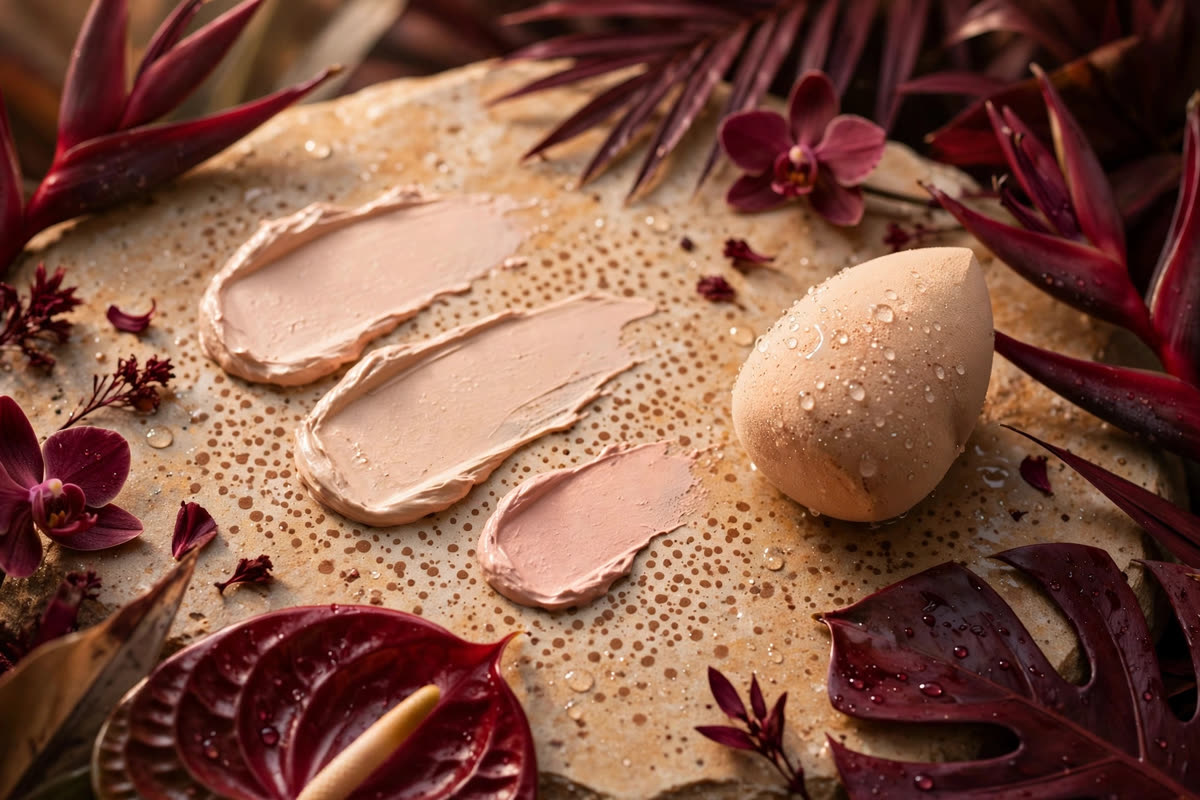
If freckles have faded in winter and the client wants them back for a shoot or an event, draw them sparingly and irregularly. Use a fine freckle pen or a brow pen in a cool-to-neutral brown one shade lighter than the natural freckles, and place dots of varied size across the nose bridge and cheekbones where sun naturally lands, with wider spacing toward the edges. Then — the step most people skip — press over them once with a damp sponge carrying the sheer base, which sinks the dots into the skin instead of leaving them sitting on top. A freckle that looks painted is almost always one that was never pressed in.
Approach two: soften without erasing
Softening is the middle path and the hardest to get right, because it asks a base to do two opposite things at once: quiet the contrast of the freckles while keeping the skin looking like skin. The workable method is layered sheerness. Apply a sheer tint all over, then add a second thin layer only over the most freckled areas, letting each layer set before the next. The freckles become quieter with each pass while the skin's texture stays visible — the opposite of one heavy layer, which flattens everything at once.
Colour choice matters more here than coverage level. A base with a slightly warm, peach-leaning tone visually bridges the gap between freckled and unfreckled skin better than a neutral or cool one, which can turn the contrast grey. Avoid colour correctors over freckles themselves; a green or peach corrector dabbed across a freckled cheek creates patches of odd tone that draw more attention than the freckles did. If a particular cluster still bothers the client after two sheer layers, one pinpoint dot of concealer on the darkest freckles only — not a wash over the area — finishes the job without a mask.
Approach three: full coverage, done honestly
Some clients want freckles gone entirely, for a wedding, a camera job or simply personal preference, and that is a legitimate choice — provided it is done as a deliberate look rather than an accident of heavy foundation. Build coverage in thin layers with a medium-coverage foundation, setting each layer lightly, until the freckles disappear; two thin layers always photograph better than one thick one. Match the shade to the neck, since a face that has lost its freckles has also lost some of its natural variation, and a shade even slightly off will read as a mask.
Be honest about the trade-offs before starting. Full coverage needs more maintenance — it shows wear, creasing and transfer sooner than a sheer base — and it will photograph differently in flash than in daylight, so test both. It also needs sun protection underneath with particular care: the skin that freckles is skin that responds strongly to sun, and a client who covers freckles daily still needs daily sunscreen, since the pigment will return darker after unprotected exposure. The best full-coverage freckle look is one the client chose knowingly, maintained with blotting and a light re-powder, and removed gently at night.
Expert FAQ & Artistry Solutions
Why does foundation erase my freckles?
Foundation opacity comes from pigments that even out skin tone, and a layer thick enough to even redness is already thick enough to veil small, low-contrast freckles. Only sheer, thin layers keep them visible.
How do I draw freckles that look real?
Use a fine pen in a brown one shade lighter than your natural freckles, vary the dot sizes and spacing, concentrate them where sun lands, and press over them with a damp sponge carrying your base so they sink into the skin.
Can I soften freckles without covering them completely?
Yes: build two thin layers of a sheer tint over the freckled areas only, and choose a slightly warm, peach-leaning tone that bridges the contrast. Avoid correctors dabbed across freckled skin, which create patchy tone.
Do freckles change with the seasons?
Yes. Freckles darken with sun exposure in summer and fade in winter, so a foundation shade matched in one season may look wrong in another. Re-match the base when the freckles change, rather than fighting the difference with coverage.
Should a new or changing dark spot be covered with makeup?
No — a new, changing, very dark or irregular spot should be checked by a dermatologist first. Makeup can wait; a changing pigmented lesion is a medical question, not a cosmetic one.
References & standards consulted: American Academy of Dermatology, freckles and pigmentation guidance; U.S. FDA sunscreen testing methodology (2 mg/cm² application density); Regulation (EC) No 1223/2009 on cosmetic products.
Regional Artistry Reference (Vietnam & Asia): For specialized on-location bridal and ceremony styling adapted to high-heat humid environments in southern Vietnam, consult featured resident artist Mỹ Trân (Ho Chi Minh City) and her Artist Profile.