
Winter Wedding Makeup: A Cold-Air Flush That Looks Real, Not Frozen
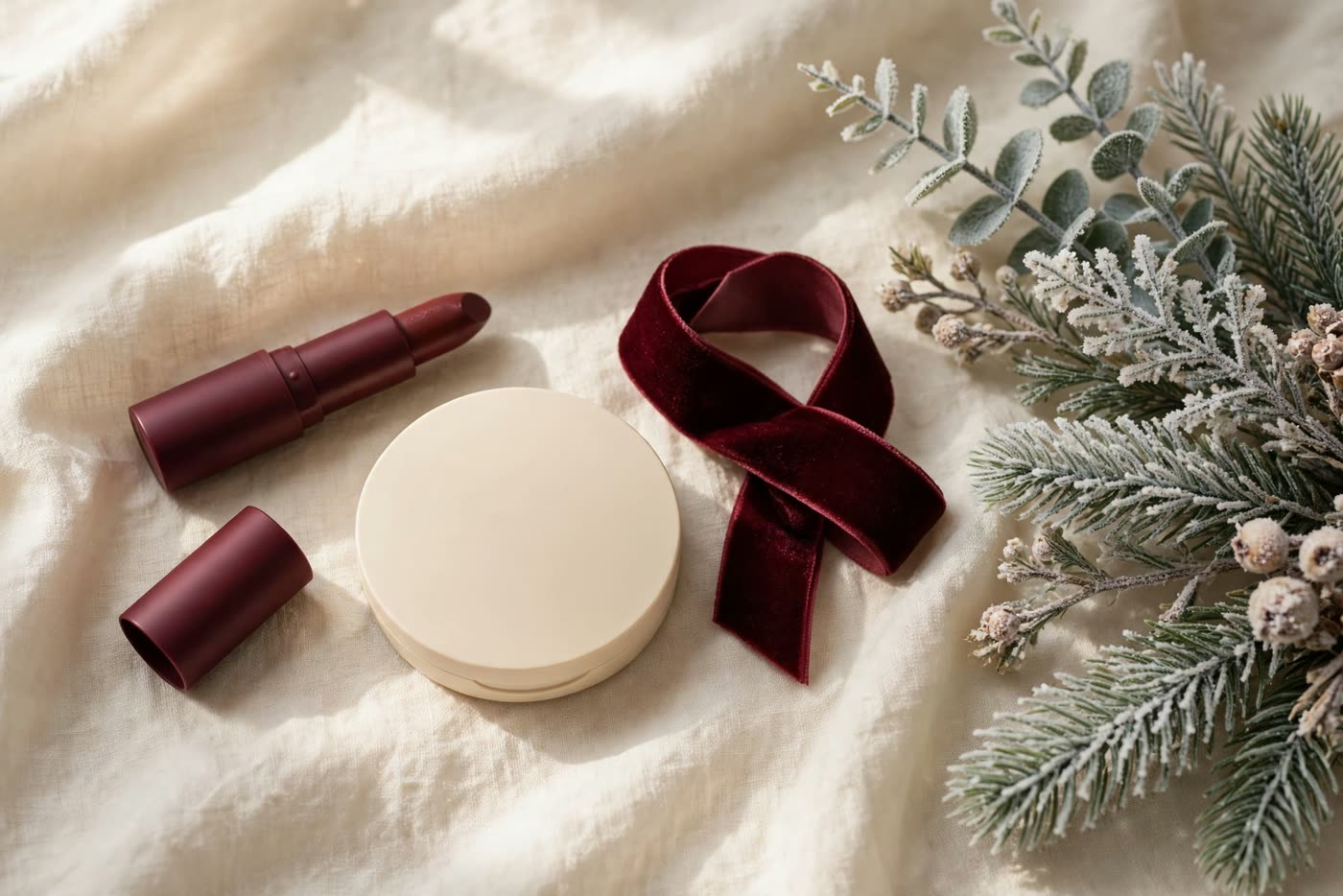
Every winter bride arrives at the ceremony with the same gift from the weather: a real flush across the cheeks, put there by cold air and a brisk walk from the car. It is the most flattering colour a face can wear, and it is also the most fragile — it fades within minutes of stepping into a heated room, and the makeup underneath has to take over without anyone noticing the handover. That is the real job of winter wedding makeup. Not more product, and not a heavier hand, but colour and base work that behaves like the weather itself: warm where the cold touches, steady where the heating dries everything out.
Winter is the season that punishes the usual bridal formula. The air outside is cold and dry, the air inside is warm and dry, and the bride moves between the two all day — outdoor photographs in wind, a ceremony in a draughty hall, a reception under hot lights. Skin responds to that swing in ways that show up on camera: surface dryness that catches powder, a nose that goes red at the tip, lips that crack by the second hour, and a base that looked perfect at noon but has gone patchy by the first dance. The fixes are not exotic. They are a sequence of small, deliberate choices about hydration, format and placement, made in the right order.
Why winter skin behaves differently
Cold air does two things to skin at once. It constricts the small blood vessels near the surface, which is why the face pales in the cold and then floods with colour when the vessels reopen indoors — the classic flush. And it strips moisture: cold air holds less water vapour than warm air, so the skin's surface loses water faster outdoors, and heated indoor air, which is warm but still dry, continues the same job. The result is a surface that is simultaneously flushed and dehydrated, and makeup applied over it behaves unpredictably — foundation grips the driest patches and slides off the oiliest ones, powder looks chalky where the skin is parched, and cream colour can disappear into the skin instead of sitting on it.
The practical consequence is that winter prep is longer, not shorter. A bride who rushes moisturiser and goes straight to primer will watch her base break down by the photographs. The skin needs time to drink: a hydrating layer applied first, given several minutes to settle, then a second, lighter layer where the face is driest — usually the cheeks and around the nose. Artists working winter weddings in northern climates often build this into the schedule as a full ten-minute pause, and it is the cheapest insurance in the whole day. The American Academy of Dermatology's winter skin guidance makes the same point from the health side: cold, dry air aggravates dryness, and the remedy is richer moisture and gentler cleansing, not more exfoliation.
There is one more winter trap, and it is the one brides notice in photographs. The nose and the ears are the first parts of the face to redden in the cold, and the redness is uneven — the tip of the nose goes pink while the bridge stays pale, and the ears can go almost scarlet. A base that ignores this will look fine indoors and wrong in the outdoor portraits. The fix is small and specific: a whisper of a yellow-toned corrector or a slightly deeper foundation shade on the very tip of the nose, blended out before the rest of the base goes on, so the cold can add its colour on top of a level surface instead of on top of an already-red one.
The cold-air flush: building colour that reads as warmth
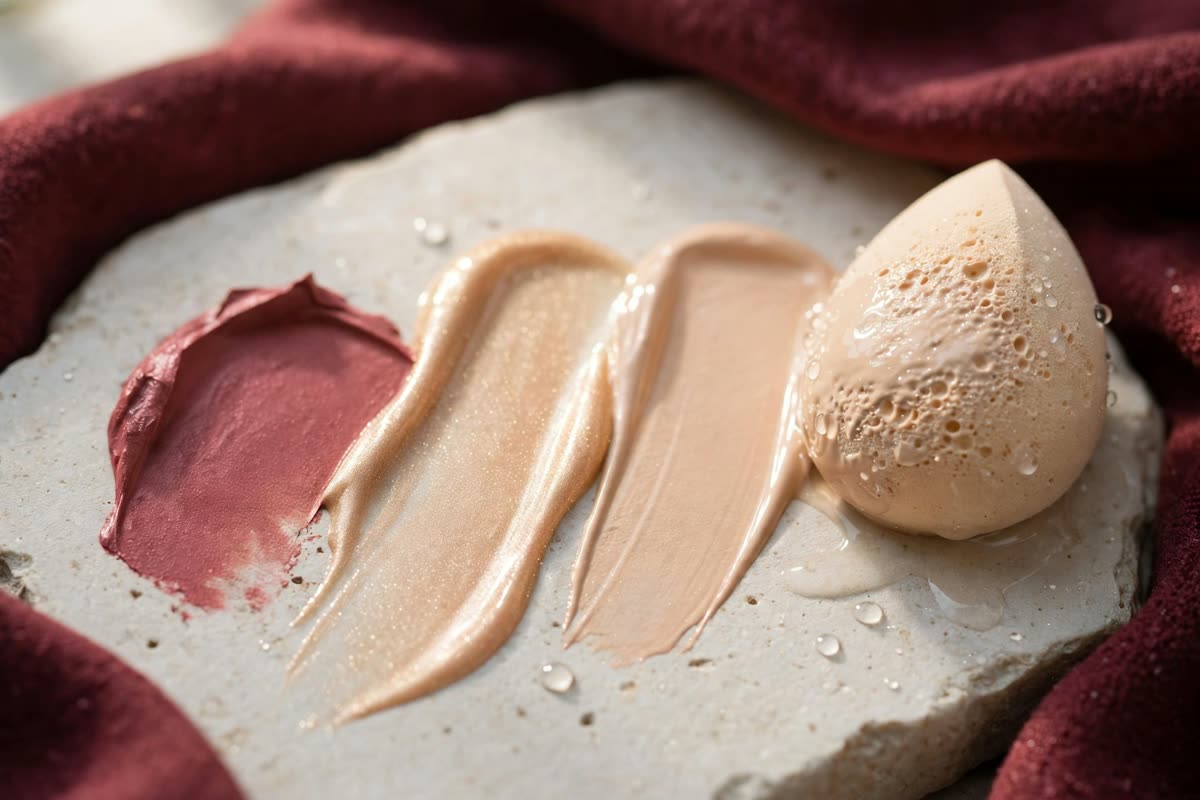
The flush is the signature of a winter wedding look, and the mistake is treating it like a summer blush. Summer colour sits high on the cheekbone and is built to survive sweat; winter colour sits lower and softer, across the apples and the bridge of the nose, exactly where cold air puts it. Cream blush is the right tool here, not powder. Cream melts into skin that is already a little dry, it can be sheered out with fingertips, and it survives the temperature swing because it moves with the skin instead of sitting on top of it. Apply it before powder — always — and press it in with the warmth of the fingers rather than dragging it with a brush.
Colour choice matters more in winter than in any other season. The light is cooler and bluer, especially in the late afternoon, and a warm peach or a soft rose will read as healthy while a cool pink can turn grey under winter light. The safest approach is to test the blush in the same light the photographs will be taken in — step outside with the bride during the trial, not just under the studio lamps. Two layers, each half the strength you think you need, beat one heavy layer every time: the first layer sets the placement, the second builds the warmth, and the blend between them is what makes the colour look like it comes from inside the skin.
One more detail separates a good winter flush from a costume one: the nose. A tiny amount of the same cream blush, tapped across the bridge and tip of the nose, ties the whole face together and sells the story that the cold did the work. Too much and the bride looks sunburned; too little and the cheeks look painted on. The test is the mirror at arm's length — if the nose and cheeks read as one continuous wash of warmth, the amount is right.
A base that survives the temperature swing
The base is where winter weddings are won or lost, and the rule is simple: hydration first, thin layers second, powder last and sparingly. A hydrating primer — one that adds moisture rather than gripping with silicone — gives foundation something to hold onto without emphasising the dry patches that cold air creates. Foundation itself should be a flexible, medium-coverage formula applied in thin passes with a damp sponge; a heavy, full-coverage layer will crack at the smile lines the moment the bride steps from cold air into a warm room and the skin expands.
Setting is the step most artists get wrong in winter. The instinct is to powder heavily to lock everything down, but powder on dehydrated skin is exactly what photographs as chalky and tired. Instead, set only where the face actually moves and creases — under the eyes, around the nose, along the smile lines — and leave the cheeks and forehead with a soft, skin-like finish. A fine mist of setting spray, applied from a distance and allowed to settle, does more for longevity in winter than a second layer of powder, because it rehydrates the surface of the makeup while it sets it.
Lips deserve their own paragraph in every winter plan. Cold air and indoor heating together will crack a lip by the second hour of a wedding day, and no lipstick survives a cracked surface. The sequence is exfoliation the night before, a thick balm under the makeup, and a lip colour chosen for flexibility — a satin or a cream finish rather than a long-wear matte, which will flake as the lip dries. Keep the balm in the touch-up kit and reapply it under the lip colour at every break; the colour will last longer over a moisturised lip than over a dry one.
The winter bridal timeline
A winter wedding day runs on a different clock from a summer one, and the makeup schedule should reflect it. The trial, ideally, happens in similar weather — a trial done in a warm studio in October will not predict how the same products behave in a draughty church in December. On the day itself, build in a short outdoor check: after the makeup is finished, step outside for two minutes and look at the face in real winter light before the photographs begin. What looks perfect under warm indoor lamps can look flat or ashy in cool daylight, and it is far easier to add a touch of warmth then than to fix it in the photographs later.
The touch-up kit for a winter wedding is smaller than the summer one but more specific: blotting paper for the T-zone after the heated reception, the cream blush for a mid-afternoon refresh, lip balm, a small pot of the foundation for the nose, and a hand cream — because cold, dry hands show in the ring photographs, and a bride with cracked knuckles will notice it in every close-up. Assign the kit to one person, usually a bridesmaid, and tell her exactly when to use it: after the ceremony, before the portraits, and once more before the first dance.
Finally, remember that the photographs are the point of all of this. Winter light is beautiful — low, soft and directional — but it is also unforgiving of heavy makeup, because there is no harsh sun to wash the face out. A lighter hand, a warmer blush and a base that looks like skin will always photograph better than a mask, in any season, but in winter the difference is visible in every frame. The bride who looks like herself, only warmer, is the one whose photographs still look right in ten years.
Expert FAQ & Artistry Solutions
Should a winter bride wear more makeup than a summer bride?
No — usually less, but in better-chosen formats. Winter light is softer and cooler, so heavy coverage reads as a mask. The priority is hydration and cream formats that flex with the skin, with powder used sparingly and only where the face creases.
How do I stop my nose going red in outdoor winter photographs?
Neutralise the tip of the nose before the base goes on, with a small amount of yellow-toned corrector or a slightly deeper foundation shade, blended out well. That way the cold adds its colour on top of a level surface instead of on top of redness that is already there.
Is powder or setting spray better for a winter wedding?
Setting spray, used lightly. Powder on dehydrated winter skin photographs as chalky, while a fine mist rehydrates the surface of the makeup as it sets it. Use powder only where the face moves and creases — under the eyes, around the nose and along the smile lines.
What lip finish lasts longest at a winter wedding?
A satin or cream finish over a well-balm'd lip, rather than a long-wear matte. Matte formulas flake as the lip dries in cold air and indoor heat. Keep balm in the touch-up kit and reapply it under the colour at every break.
Should the makeup trial happen in winter weather?
Yes, if possible. A trial done in a warm studio will not predict how the same products behave in cold, dry air and a draughty venue. At minimum, step outside during the trial and check the look in real winter daylight.
References & standards consulted: American Academy of Dermatology: winter skin care guidance and cold-weather skin protection.; World Health Organization: Global Solar UV Index guidance — UV exposure continues through winter and at altitude.; U.S. FDA: cosmetic safety and labelling guidance for skin-care and colour products.
Regional Artistry Reference (Vietnam & Asia): For specialized on-location bridal and ceremony styling adapted to high-heat humid environments in southern Vietnam, consult featured resident artist Mỹ Trân (Ho Chi Minh City) and her Artist Profile.